Clear Sky Science · en
Protective structural and enzymatic roles of catechin and gallic acid against nephrotoxicity and hepatotoxicity ınduced by cisplatin
Why this matters for people receiving chemotherapy
Cisplatin is a powerful chemotherapy drug that helps many people survive cancer, but it often comes with a steep price: it can seriously damage the kidneys and liver. This study explores whether two natural compounds found in plant foods—catechin (common in tea and some fruits) and gallic acid (present in many berries and nuts)—can soften that blow. Using a rat model that mimics the treatment course patients might experience, the researchers asked a simple but important question: can everyday plant molecules help protect vital organs from a lifesaving yet toxic drug?
How a helpful drug can hurt vital organs
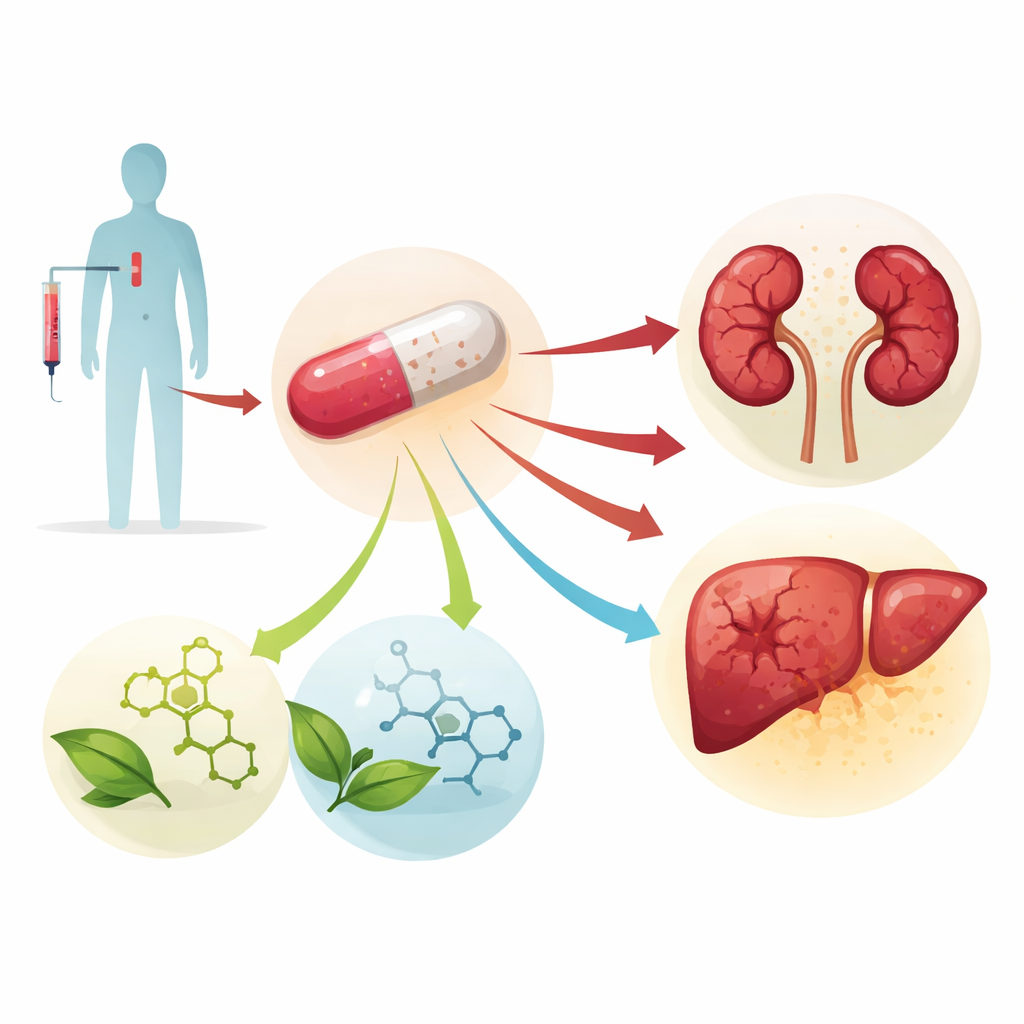
Cisplatin works by attacking the DNA of rapidly dividing cancer cells, but it does not distinguish perfectly between tumors and healthy tissues. The kidneys and liver, which constantly filter blood and process chemicals, are especially vulnerable. When cisplatin accumulates in these organs, it triggers the overproduction of reactive oxygen species—highly unstable molecules that damage fats, proteins, and DNA. In patients, this can translate into rising blood markers of kidney and liver injury, weight loss, and in severe cases, treatment delays or dose reductions that compromise cancer care.
The plant compounds put to the test
To probe whether catechin and gallic acid can counter this toxicity, the researchers worked with 96 male rats divided into eight groups. Some received only saline, some only catechin or gallic acid, and others received cisplatin alone or cisplatin combined with one or both plant compounds. Cisplatin was given once by injection at a dose known to injure kidneys and liver, while catechin and gallic acid were delivered by mouth every day for four weeks. The team tracked body weight, organ weight, blood markers of kidney and liver function, levels of oxidative damage in tissues, antioxidant enzyme activity, and microscopic changes in kidney and liver structure.
What the bodies and organs revealed
Rats that received cisplatin alone lost weight and showed clear signs of kidney and liver distress. Blood levels of urea, creatinine, and BUN, which rise when the kidneys are struggling, all increased, as did the liver enzymes AST and ALT. Within the organs themselves, a chemical marker of fat damage (MDA) climbed, while protective enzymes such as glutathione peroxidase and glutathione reductase fell. Under the microscope, kidneys showed widespread tubular cell death, swelling, and scarring, and livers displayed cell degeneration, congestion, and inflammatory changes. In short, the single cisplatin dose produced a pattern of sustained, progressive organ injury over the four-week period.
How catechin and gallic acid changed the picture
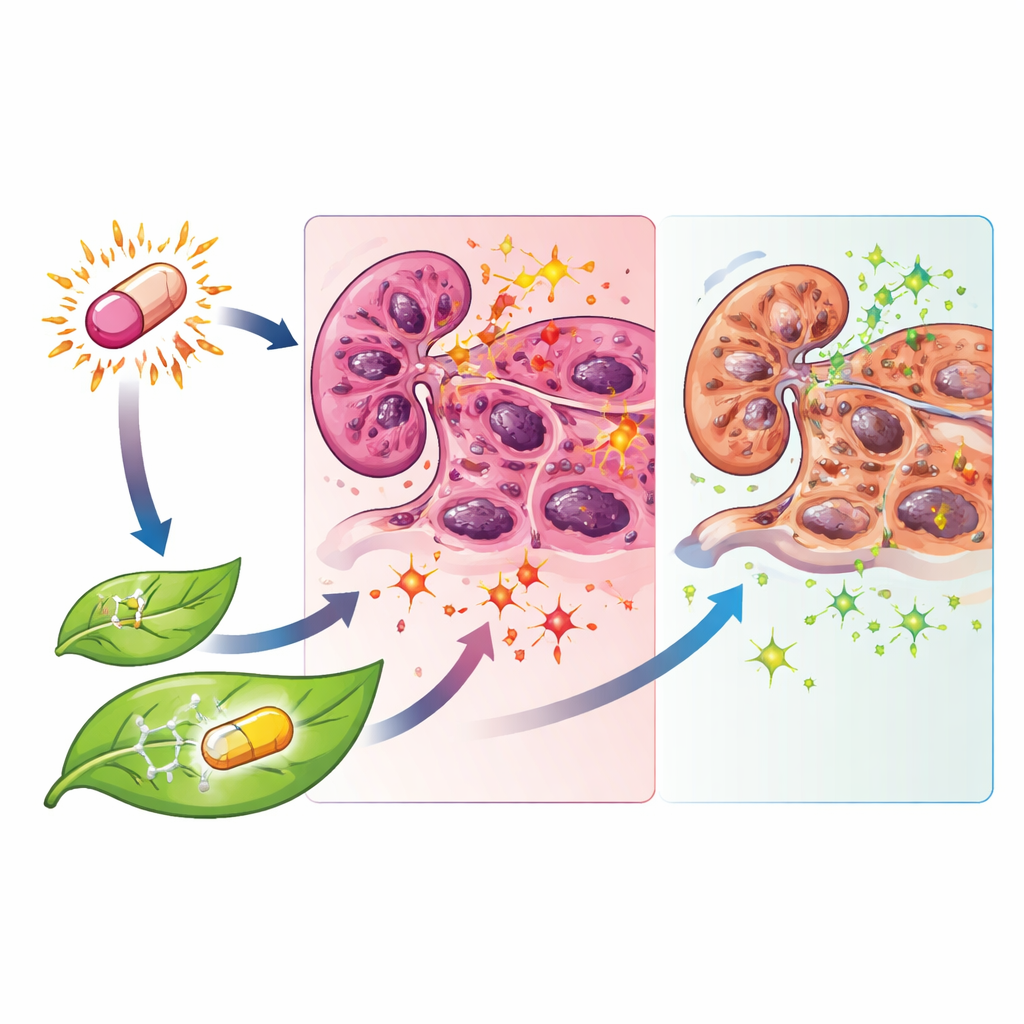
When catechin or gallic acid were given along with cisplatin, many of these harmful changes were blunted. Treated rats lost less weight, and their kidney and liver weights were closer to normal. Blood tests showed lower urea, creatinine, BUN, AST, and ALT levels compared with animals that received cisplatin alone, suggesting better organ function. Inside the tissues, oxidative damage decreased and antioxidant enzyme activity rebounded. Microscopic examination confirmed that kidneys and livers exposed to cisplatin plus either catechin or gallic acid had fewer dead cells, less structural distortion, and milder scarring. Interestingly, catechin on its own generally appeared more protective than gallic acid, while the combination of both did not produce the expected extra benefit and in some measures seemed less favorable, hinting at a possible interference between the two compounds.
What this could mean for future treatments
For a layperson, the take-home message is that certain plant-derived molecules can indeed cushion some of the damage caused by a widely used chemotherapy drug, at least in an animal model. Catechin and gallic acid did not completely prevent harm, but they helped kidneys and livers function better and look healthier under the microscope over a realistic, weeks-long course of exposure. The work also shows that timing, dose, and combinations matter: more antioxidants together are not automatically better. While it is far too early to recommend specific supplements to patients receiving cisplatin, this study strengthens the idea that carefully tested natural compounds could one day serve as add-on therapies, allowing cancer drugs to do their job while offering the body’s vital organs some much-needed protection.
Citation: Kalkan, N.S., Gökçimen, A. Protective structural and enzymatic roles of catechin and gallic acid against nephrotoxicity and hepatotoxicity ınduced by cisplatin. Sci Rep 16, 9046 (2026). https://doi.org/10.1038/s41598-025-15445-3
Keywords: cisplatin toxicity, kidney protection, liver protection, antioxidant polyphenols, catechin and gallic acid