Clear Sky Science · en
D-serine and D-alanine supplementation protects against chronic kidney disease
Why protecting our kidneys matters
Chronic kidney disease is a slow, often silent condition that affects nearly one in ten people worldwide and can ultimately lead to lifelong dialysis or the need for a kidney transplant. Current treatments help, but many patients still see their kidney function steadily decline. This study explores an unexpected new ally for the kidneys: two small building blocks of protein, called D-serine and D-alanine, that may help damaged kidneys repair themselves and work better over the long term.
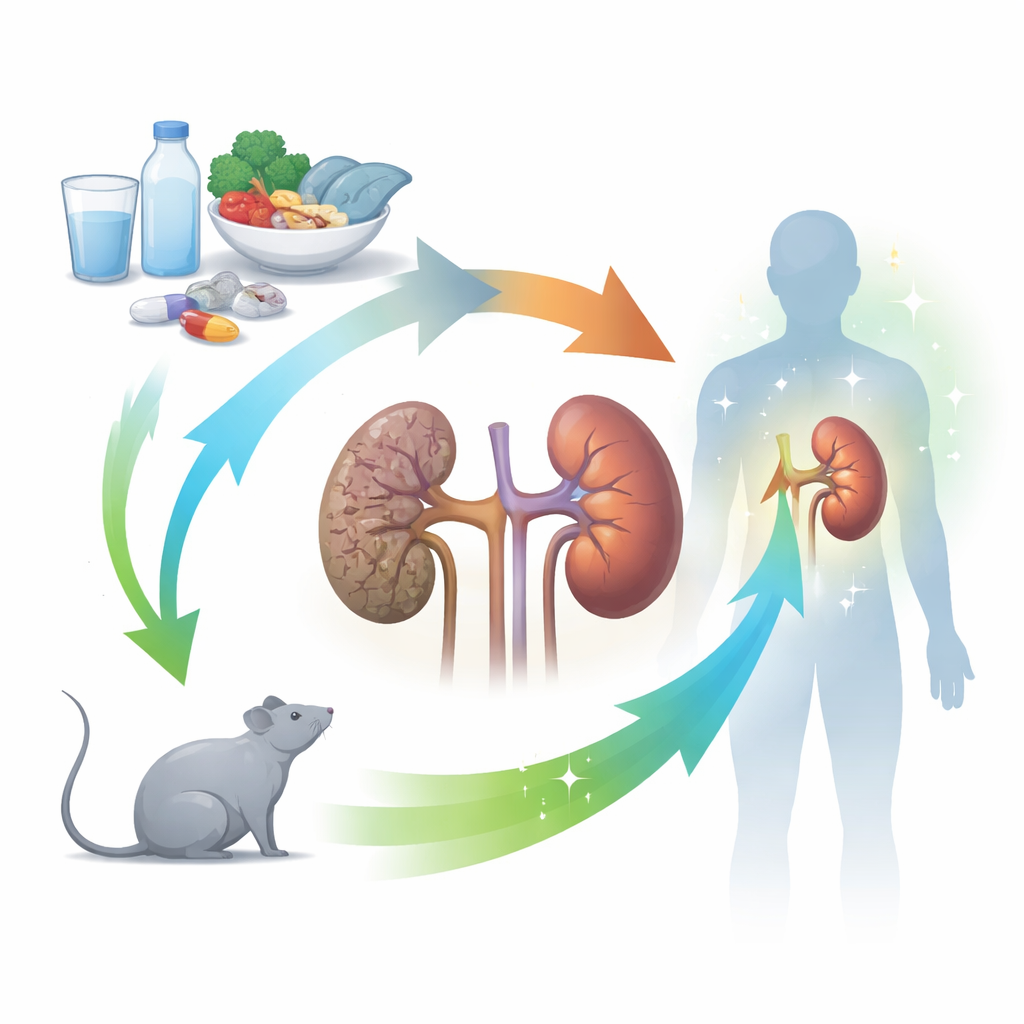
Small molecules with a big promise
Proteins in our bodies are usually made from “left-handed” amino acids, but tiny amounts of “right-handed” versions—D-serine and D-alanine—also circulate in the blood. Earlier research in short-term kidney injury showed that these D-amino acids can dampen inflammation, protect cell powerhouses called mitochondria, and encourage kidney cells to regrow. Because blood levels of D-serine and D-alanine are also higher in people with ongoing kidney disease, the researchers asked whether gently boosting these molecules could slow or soften long-term kidney damage rather than simply marking that damage.
Testing the idea in a severe mouse model
To probe this question, the team used mice in which most kidney tissue had been surgically removed, a well-established model of advanced chronic kidney disease. The animals received drinking water with modest amounts of D-serine or D-alanine for many months. In female mice, both supplements raised blood levels of the target molecules, lowered waste products that normally build up when kidneys fail, and significantly improved survival compared with untreated animals. Microscopic examination showed less tissue death and better preservation of the fine brush-like structures that help kidney tubules process blood. D-alanine in particular also reduced scarring in the kidneys, a key driver of irreversible damage, and helped prevent weight loss and hair loss that signal severe illness in this model. Importantly, when healthy mice were given the same doses for 500 days, their kidney function remained normal, suggesting that long-term intake at these levels was not harmful.
Peering inside kidney cells
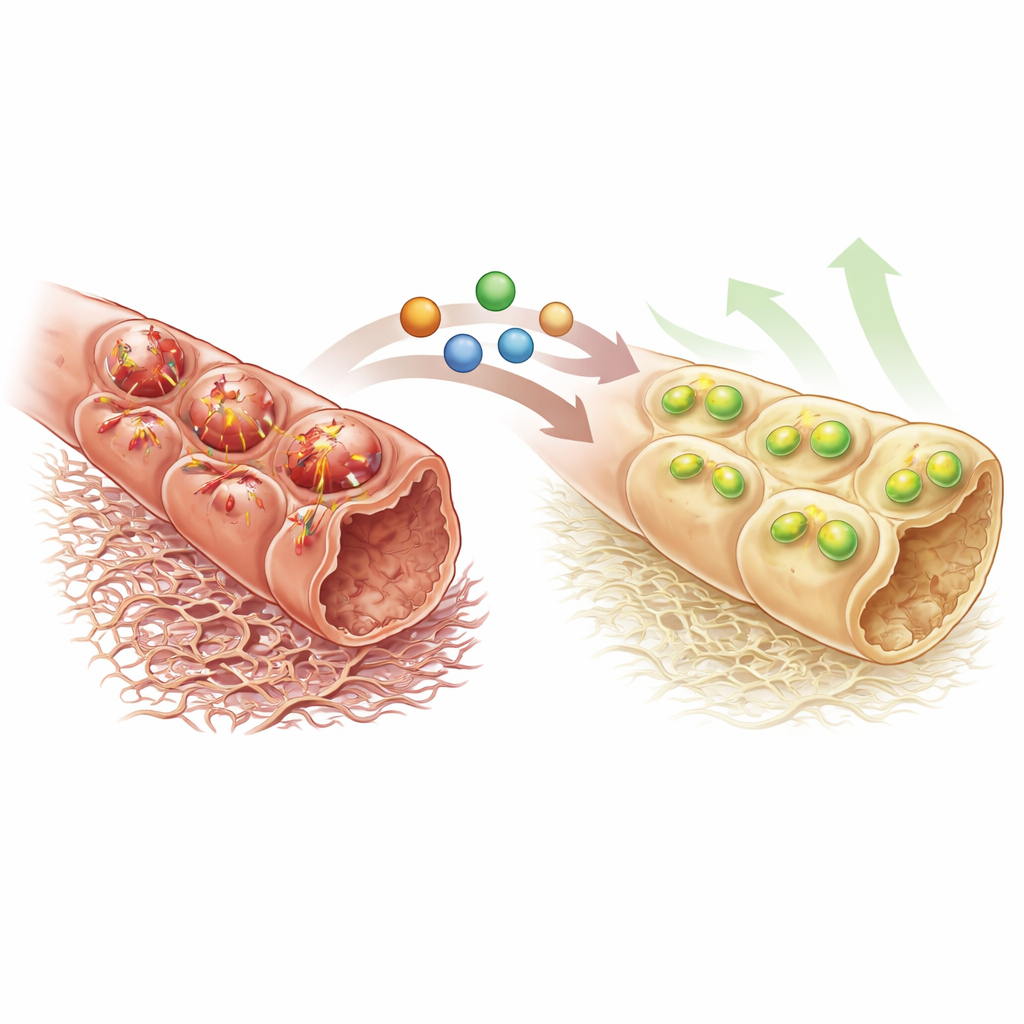
The researchers next asked how these tiny molecules might be working at the molecular level. Using gene-activity profiling on kidney tissue from female mice, they found that D-alanine—more than D-serine—switched on a small set of genes linked to mitochondrial health and tissue repair. One gene, Lonp1, helps keep mitochondria in good working order and has been tied in other studies to slower kidney scarring and better energy production. Another, Bmp7, is known to support kidney development and counteract a major scarring pathway driven by a molecule called TGF-beta. In contrast, D-serine supplementation produced only subtle shifts in gene activity in this experiment, even though it still improved kidney function, suggesting its benefits may depend more on changes in proteins or cell metabolism than on large shifts in gene expression.
Hints from human patients
Beyond mice, the team followed a small group of 14 people with chronic kidney disease for roughly two and a half years, measuring their blood levels of D-serine and D-alanine and tracking changes in estimated glomerular filtration rate, a standard measure of kidney performance. Overall, there was no clear link between D-amino acid levels and the rate of decline. However, in the subset of patients whose kidney disease was caused by diabetes, higher D-alanine levels were associated with a slower drop in kidney function. The study was too small to prove cause and effect, and no deliberate D-alanine treatment was given, so these human data are best viewed as intriguing clues rather than firm evidence.
What this could mean for future care
Taken together, the findings suggest that modest, long-term supplementation with D-serine and especially D-alanine can help damaged kidneys cope better in a severe disease model, likely by supporting mitochondria, limiting scarring, and encouraging cell renewal. While results in mice do not automatically translate to people, and the human data here are preliminary, the work points to D-alanine as a promising, food-like candidate to explore as a future add-on therapy for chronic kidney disease. Larger and carefully controlled clinical trials will be needed before doctors can recommend such supplements, but this study opens an intriguing path toward gentler, nutrition-based ways to help preserve kidney function.
Citation: Nakade, Y., Iwata, Y., Toyama, T. et al. D-serine and D-alanine supplementation protects against chronic kidney disease. Sci Rep 16, 8740 (2026). https://doi.org/10.1038/s41598-025-06251-y
Keywords: chronic kidney disease, D-alanine, D-serine, mitochondria, kidney protection