Clear Sky Science · en
Longitudinal mental health data collected via the Corona Health smartphone app during COVID-19
Why Tracking Feelings on Our Phones Matters
The COVID-19 pandemic changed daily life across the globe, but its impact on our minds and moods is harder to see than case numbers or hospitalizations. This article describes a large open dataset collected with a smartphone app called Corona Health, which followed thousands of adults in Germany over nearly five years. By repeatedly asking people about their well-being and quietly recording simple signals from their phones, the project offers a rare window into how mental health rose and fell during and after the pandemic—and how digital tools might help us respond better in future crises. 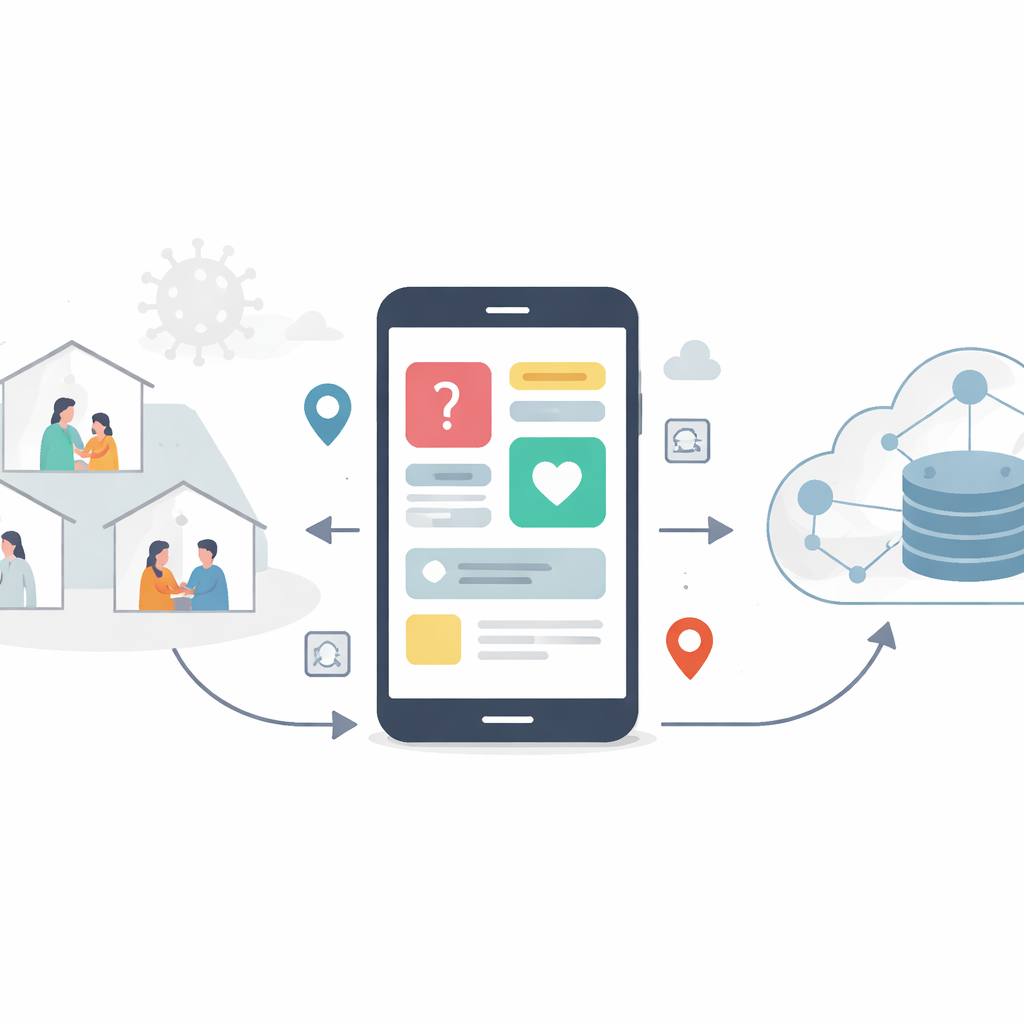
A Phone App as a Mental Health Watchtower
To capture changes as they happened, researchers built a free app for Android and iOS that anyone in Germany aged 18 or older could download. The app, available in eight languages, asked volunteers about their quality of life, mood, anxiety, sleep, coping strategies, and pandemic-related worries. After a one-time, detailed baseline questionnaire of about 20 minutes, the app invited users to complete shorter follow-up questionnaires, usually once a week. In return, participants received immediate, automated feedback about their mental well-being and were pointed toward help options—such as crisis hotlines—if their answers suggested serious distress.
Following Minds Through the Pandemic
The resulting dataset is unusually rich and long-lasting. It includes baseline answers from 2,704 adults and 11,541 repeated follow-up entries from 1,488 of them, collected between July 2020 and January 2025. These responses span early lockdowns, changing restrictions, and later adjustment phases. Questions drew on widely used mental health and quality-of-life scales, along with items tailored to the pandemic, such as concerns about health, income, or social isolation. Because the same people were surveyed repeatedly, researchers can trace individual “trajectories” over time, identifying, for instance, who remained resilient, who struggled briefly, and who experienced lasting difficulties.
What Phones Quietly Reveal About Behavior
With participants’ explicit consent, the app also recorded simple sensor data whenever a questionnaire was filled out. This included coarse GPS location (blurred to about 11 kilometers for privacy) and, on Android phones, daily summaries of app usage and screen time. These data are not continuous tracking, but snapshots that can be linked to each survey response. They show, for example, when during the day people tended to use their phones, how much time they spent on their most-used or social media apps, and in what general region they were. This makes it possible to connect self-reported feelings of loneliness, depression, or sleep problems with patterns of digital behavior and with regional factors such as local infection rates. 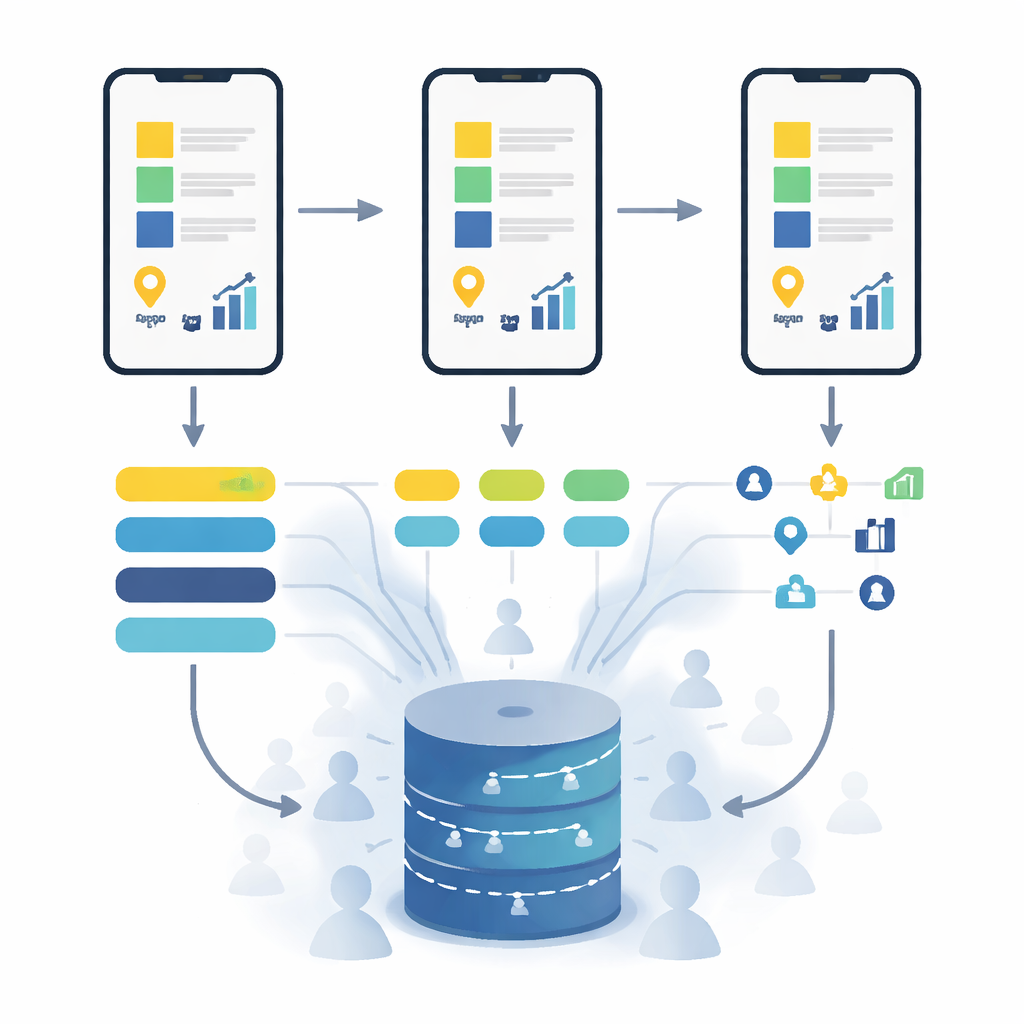
How the Data Are Organized and Kept Safe
Behind the scenes, the project relied on a carefully designed technical framework. Every participant received an anonymous ID; no names, contact details, or precise locations were stored. Questionnaires were built from standardized templates and delivered via a secure web interface, and all answers passed strict checks before being saved in a relational database. The released dataset is split into separate files for baseline and follow-up responses, GPS snapshots, and app-usage summaries, all tied together only by anonymous user IDs. Additional safeguards—such as rounding locations, removing rare demographic details, and masking small groups (for example, some gender categories)—were applied before making the data public, to ensure that individuals cannot be identified even indirectly.
What Researchers Can Learn From This Resource
The dataset has already supported studies linking smartphone communication patterns to loneliness, relating social media use to depression, and charting distinct quality-of-life patterns such as resilient, recovering, delayed, and chronic decline during the pandemic. With the full multi-year data now available, scientists can revisit these findings, explore how mental health changed during the less-studied recovery period, and test new questions—for example, how coping styles, sleep problems, or regional conditions shape long-term well-being. At the same time, the data help evaluate how well smartphone-based monitoring works in practice, including how often people respond and which measures are most informative.
Why This Matters Beyond COVID-19
In plain terms, this article presents a detailed “weather map” of mental health during a historic crisis, built from the everyday phones of thousands of volunteers. It shows that it is possible to follow changes in mood, stress, and quality of life in near real time, while still protecting privacy. For a layperson, the main takeaway is that thoughtfully designed digital tools can help society watch over mental well-being during emergencies, spot groups at risk earlier, and test which support strategies work best—insights that could prove vital not only for future pandemics, but for any large-scale disruption that strains people’s mental health.
Citation: Winter, M., Vogel, C., Schobel, J. et al. Longitudinal mental health data collected via the Corona Health smartphone app during COVID-19. Sci Data 13, 392 (2026). https://doi.org/10.1038/s41597-026-07015-7
Keywords: COVID-19 mental health, smartphone app data, ecological momentary assessment, digital health monitoring, longitudinal wellbeing