Clear Sky Science · en
Human gut archaea collection from Estonian population
A Hidden World Inside Our Guts
The human gut is home to trillions of microbes that help digest food, train our immune system, and influence health in surprising ways. Most research has focused on bacteria, but another group of microscopic life, called archaea, has stayed largely in the shadows. This study shines a light on those overlooked residents by building a detailed catalog of archaeal genomes from people living in Estonia, giving scientists a new map of this hidden world and tools to explore how it affects our bodies.
Why These Little-Known Microbes Matter
Archaea are ancient forms of life that look a bit like bacteria under the microscope but are fundamentally different. In the human gut, many archaea specialize in turning hydrogen and carbon dioxide into methane gas. Their presence has already been linked to slower bowel movements, certain forms of irritable bowel syndrome, obesity, and even colorectal cancer. Yet, until now, scientists have had relatively few reference genomes to study them, and most of what we know comes from a small number of well-studied species. That gap makes it hard to detect all the archaeal species in a person’s gut or to understand how they might contribute to health or disease.
Building a Genome Library from an Entire Population
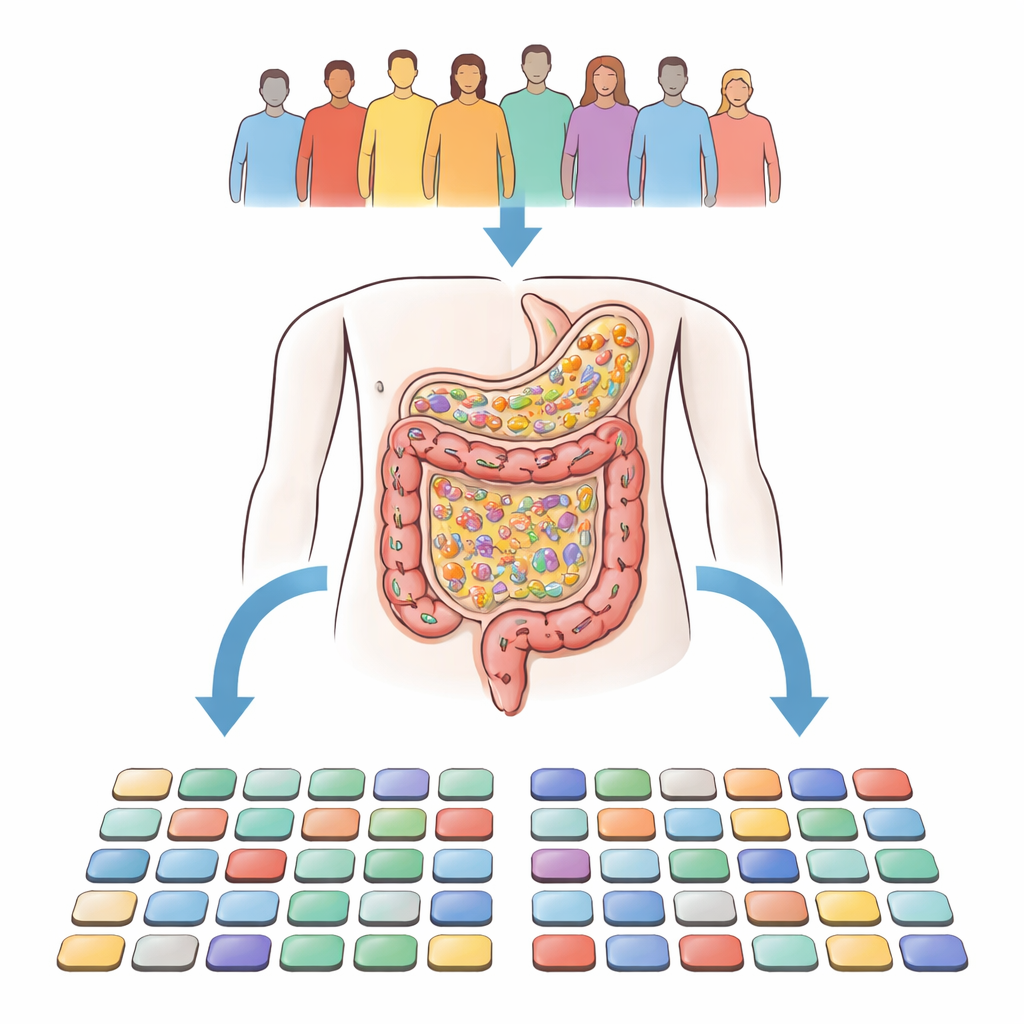
The researchers started with gut microbiome data from 1,878 volunteers in the Estonian Microbiome cohort, a large health study that includes people of different ages and both sexes. Instead of growing microbes in the lab, they used DNA fragments collected from stool samples and computationally assembled them into near-complete genomes, a method known as metagenomics. From more than 84,000 reconstructed genomes of all types of microbes, they focused on the 316 that were initially identified as archaea. After careful quality checks, this set was narrowed down to 273 archaeal genomes, forming a curated collection they call “EstMB MAGdb Archaea-273.”
Cleaning the Data to Avoid False Discoveries
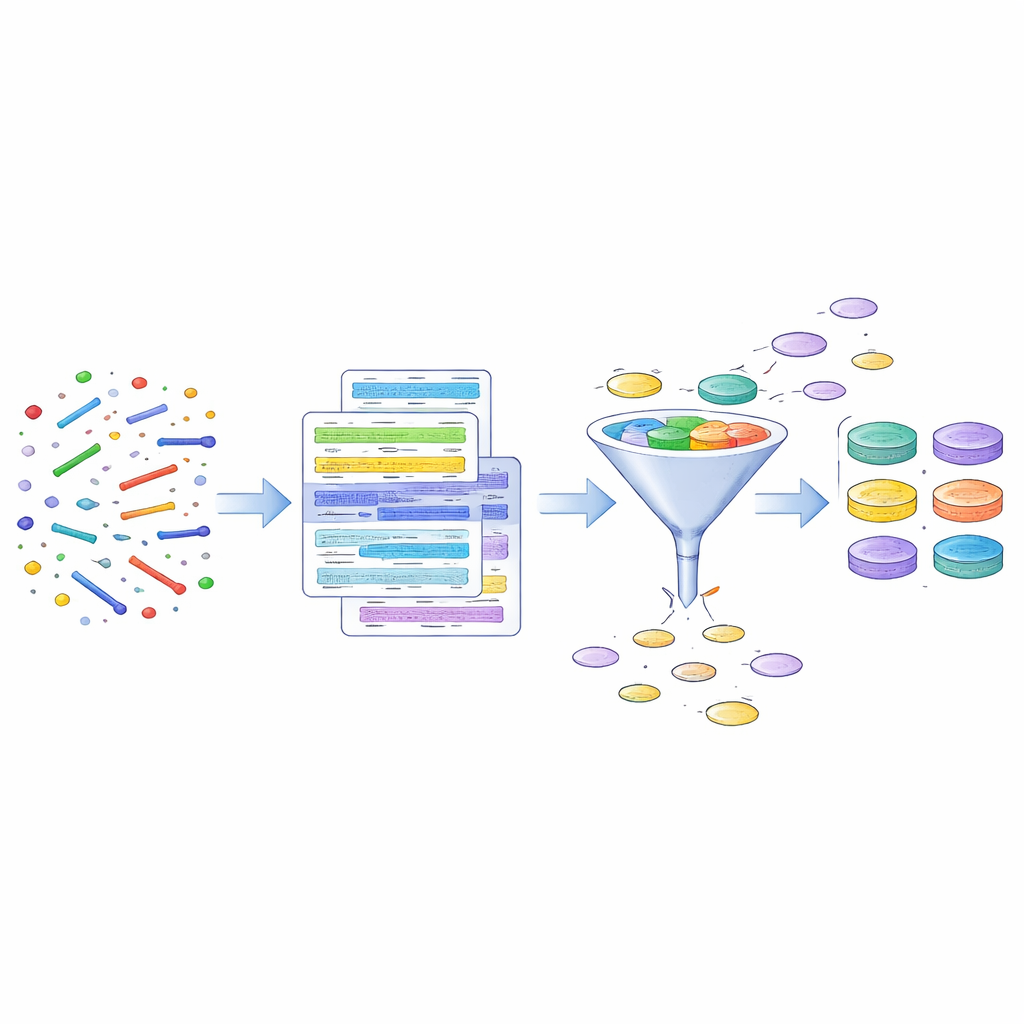
Reconstructing genomes from raw DNA fragments is a bit like piecing together dozens of shredded books at once, and errors can create chimeras—fake genomes stitched from pieces that do not belong together. To avoid this, the team went beyond standard quality metrics. They checked how complete each genome was and how much contamination it contained, examined overall genome size, and looked at whether the smaller pieces inside each genome pointed to a consistent biological origin. Suspicious genomes, such as those with abnormally large sizes or inconsistent taxonomic signals, were removed. One striking case involved three genomes that seemed to belong to a very unusual archaeal group rarely seen in humans; further analysis showed they were probably technical artifacts, underscoring how easily mistakes can slip into genome catalogs.
From Hundreds of Genomes to Key Representatives
To make their resource easier to use, the authors grouped the 273 genomes into species-level clusters based on how similar their DNA sequences were. This process yielded 21 distinct archaeal species, and the team chose one well-assembled, high-quality genome to represent each species. These 21 representatives, together called “Archaea ESTrep-21,” can serve as a reference panel for future studies. Using these genomes as a template, the researchers then estimated how common each species is and how abundant it tends to be in the Estonian population. The collection also includes multiple genomes for some species, opening the door to exploring fine-grained variation at the strain level—differences that may ultimately help explain why the same species can be harmless in one person but associated with disease in another.
What This Means for Future Health Research
For non-specialists, the key takeaway is that this work does not claim to have discovered a new disease-causing microbe. Instead, it provides the high-quality reference material that many future studies will rely on. By offering a cleaned, well-documented library of archaeal genomes from the human gut, the authors make it easier for scientists worldwide to detect these microbes accurately, compare their presence across populations, and link specific archaea or strains to traits such as bowel habits, weight, or risk of disease. In much the same way that a good map allows explorers to navigate new terrain, this Estonian archaeal genome collection equips researchers to explore a previously undercharted corner of our inner ecosystem.
Citation: Pantiukh, K., Org, E. Human gut archaea collection from Estonian population. Sci Data 13, 366 (2026). https://doi.org/10.1038/s41597-026-06742-1
Keywords: gut microbiome, archaea, metagenomics, human health, genome catalog