Clear Sky Science · en
DEPRESS: Dataset on Emotions, Performance, Responses, Environment, and Satisfaction during COVID-19
Why This Matters for Students and Families
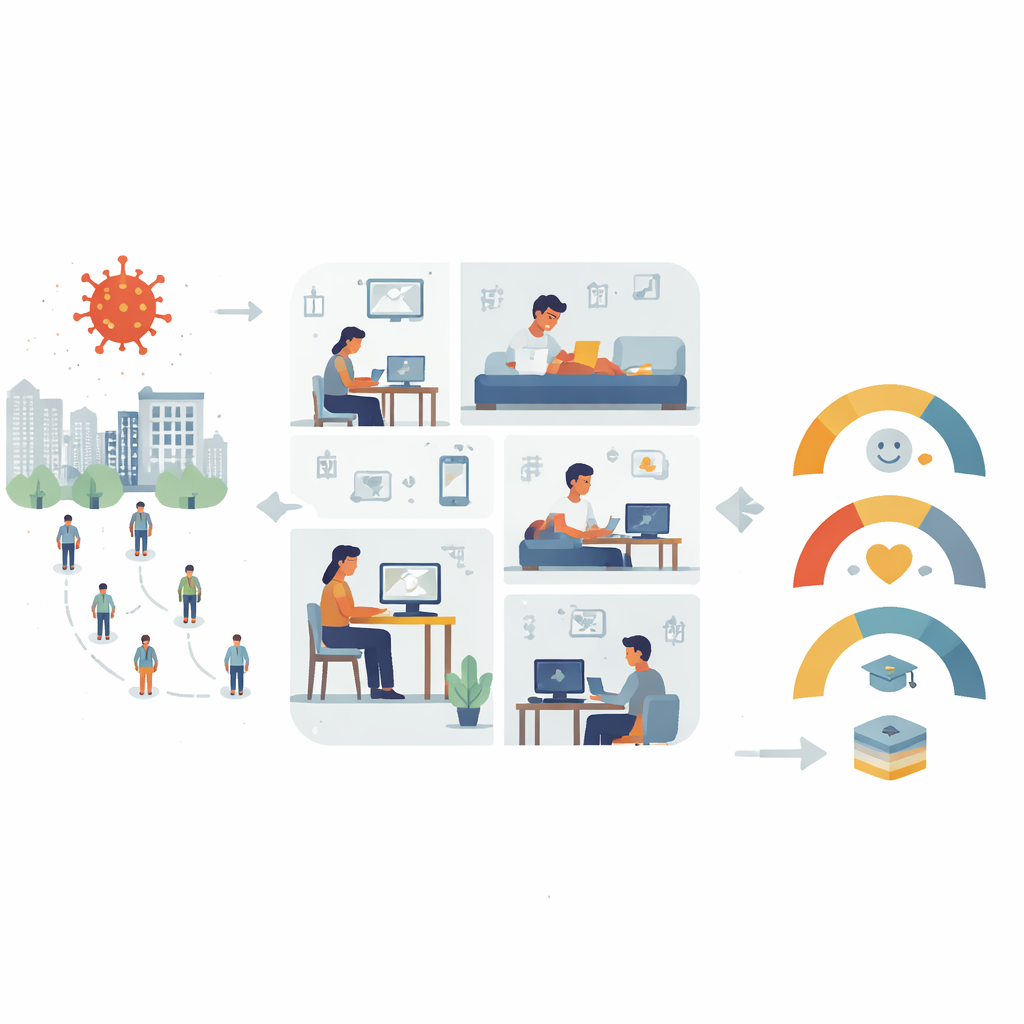
The sudden shift to online classes during COVID-19 didn’t just move lectures onto laptops; it transformed how students lived, learned, and felt day to day. Yet most stories about that time are based on memories and impressions, not hard numbers. This study introduces a rich dataset that tracks college students’ moods, stress, sleep, activity, home study spaces, and grades over an entire year of the pandemic. It offers one of the most detailed looks so far at how young adults tried to learn, stay healthy, and cope while their bedrooms became classrooms.
Following Students Through a Year of Disruption
Researchers at Worcester Polytechnic Institute followed 184 undergraduate students from June 2020 to June 2021, covering three key phases: a fully remote summer at home, a fall semester with careful returns to campus, and a spring semester with more students back and vaccines starting to roll out. Each student joined for one semester-long “cohort” so that data collection stayed manageable. This design allowed the team to capture changing conditions across the pandemic while reducing burnout from constant surveys. The result is a rare, long-running picture of how students’ mental health and learning shifted as rules, risks, and routines evolved.
Peeking Inside Bedrooms Turned Classrooms
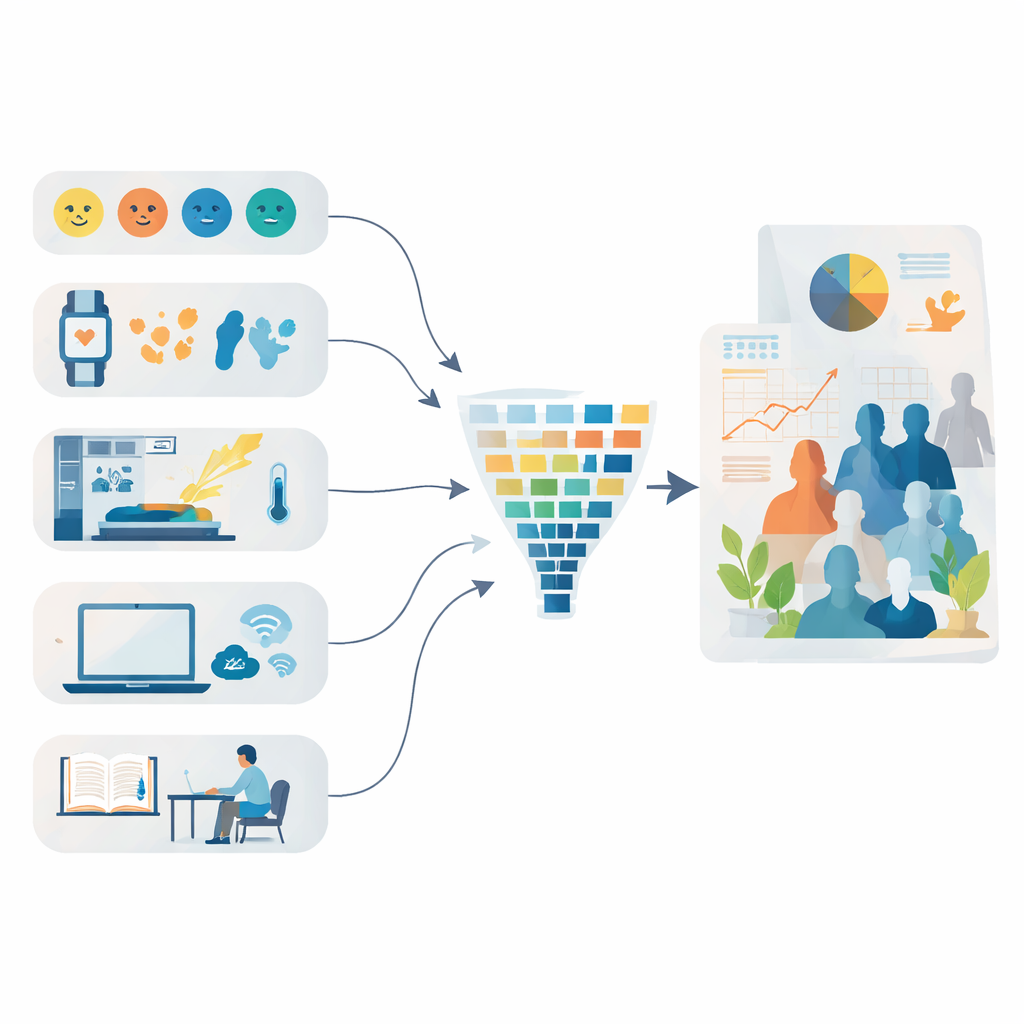
Most college dorm rooms and apartments were never designed as full-time study spaces. To understand what learning looked like in these improvised classrooms, the team gathered information on students’ home environments and daily routines. Students filled out diaries reporting how much time they spent on school work, socializing, and entertainment activities like watching TV or listening to music. They also rated how satisfied they were with their room’s temperature, air quality, light, and noise, and whether these factors helped or hurt their ability to concentrate. A subset of students installed small indoor sensors in their bedrooms, which quietly tracked carbon dioxide, tiny particles in the air, humidity, and other features of indoor air and comfort throughout the day and night.
Tracking Feelings, Stress, and Screen Life
At the same time, the study monitored students’ emotional lives and bodies. Weekly and monthly surveys measured positive and negative emotions, perceived stress, symptoms of depression, anxiety, and how engaged students felt in their online classes. To avoid overburdening participants, slower-changing feelings like depression and anxiety were measured monthly, while faster-changing stress and mood were checked weekly. Many students wore Fitbit wristbands that recorded sleep, heart rate, steps, and other activity measures minute by minute. Some also agreed to have their faces recorded during online classes; specialized software then turned subtle facial movements into anonymous numerical signals linked to different expressions, without storing any images or video.
From Raw Signals to a Public Resource
The researchers carefully converted survey answers into standardized scores, checked the reliability of each questionnaire, and summarized how often students completed each type of measure. They found strong consistency in the mental health and engagement surveys, suggesting the tools worked well even under pandemic stress. The final dataset is organized into clear folders for mental health measures, indoor environments, learning performance (including facial expression features and grades), and daily routines, plus demographic and socioeconomic information where students chose to share it. To protect privacy, every participant’s data was anonymized, and sensitive materials like video recordings were used only to extract expression signals and then discarded. The entire dataset is now publicly available through a research data repository so others can explore new questions.
What This Dataset Tells Us in Simple Terms
Rather than offering a single headline result, this work delivers a detailed “map” of student life in one of the most disruptive years in recent history. It links feelings, stress, sleep, physical surroundings, screen time, and classroom performance in a way few datasets have done before. While there are limits—such as smaller summer enrollment, missing answers on some background questions, and no measurements after the pandemic eased—the collection provides a powerful foundation for understanding how young adults cope when school, home, and social life collapse into the same small space. For students, families, and educators, it supplies the raw evidence needed to design healthier online and hybrid learning environments in the future.
Citation: Guo, X., Incollingo Rodriguez, A.C., Wang, C. et al. DEPRESS: Dataset on Emotions, Performance, Responses, Environment, and Satisfaction during COVID-19. Sci Data 13, 331 (2026). https://doi.org/10.1038/s41597-026-06682-w
Keywords: college students, mental health, online learning, indoor environment, COVID-19