Clear Sky Science · en
Chromosome-level genome assembly of the Siniperca obscura
A Hidden River Predator in the Genomic Spotlight
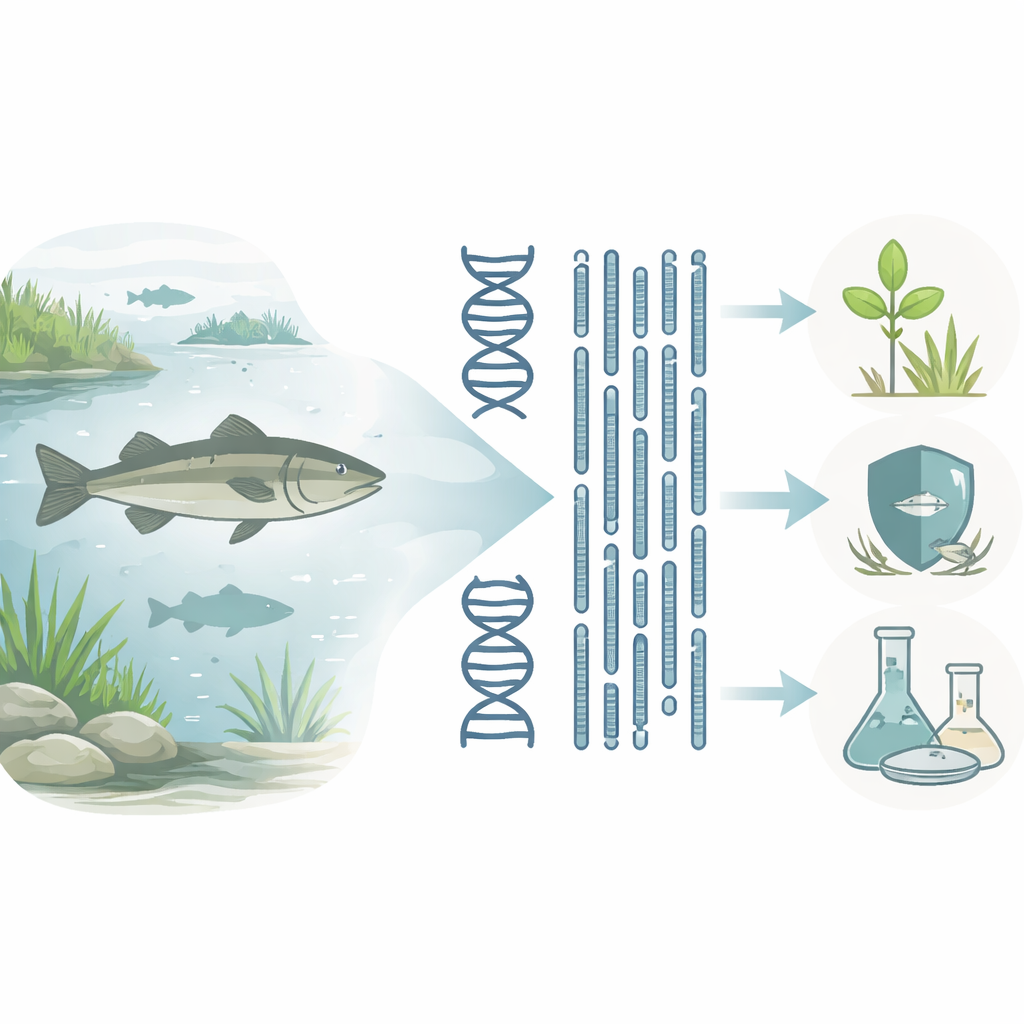
Across rivers and lakes in China, a little-known freshwater predator, Siniperca obscura, helps keep ecosystems in balance and supports local fisheries with its tender, nearly boneless flesh. Yet until now, scientists have lacked a detailed genetic map of this species—the instruction manual that guides its growth, behavior, and resilience. This study delivers that missing blueprint, assembling the fish’s DNA all the way up to complete chromosomes and opening new paths for conservation, breeding, and basic biology.
Why This Fish Matters to People and Rivers
Siniperca obscura lives in clean, flowing waters, where it hunts small fish and shrimp and plays a stabilizing role in food webs. Its popularity on dinner tables makes it a promising candidate for aquaculture. At the same time, dams, pollution, and overfishing have sharply reduced wild populations, prompting regional authorities to grant it protected status. Scientists also see it as a natural model for studying how closely related fish species adapt to different habitats. All of these interests—ecological, economic, and scientific—depend on a solid understanding of the species’ genetic makeup, which until now was limited to scattered markers and mitochondrial sequences.
Building a High-Resolution Genetic Map
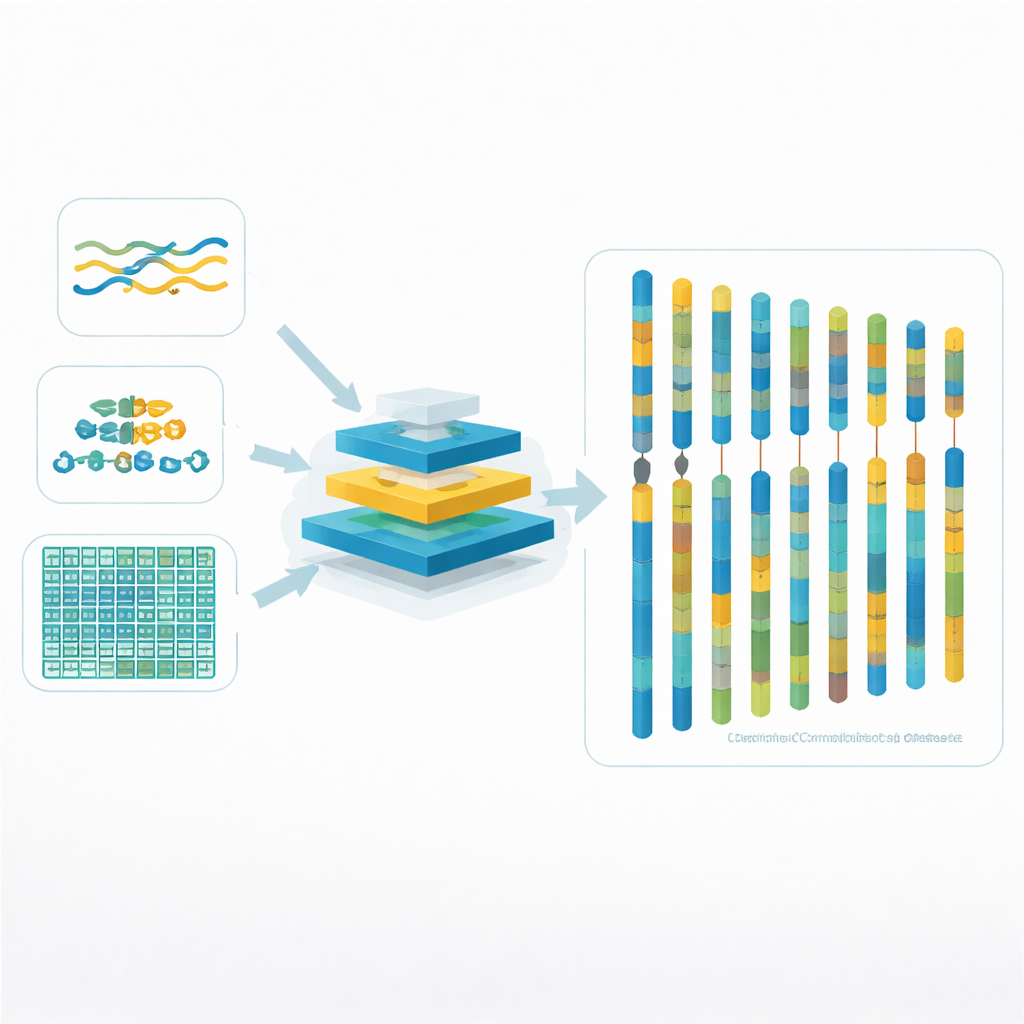
To capture the full genetic landscape of Siniperca obscura, the researchers started with a single male fish collected from a tributary of the Yangtze River. They extracted DNA and sequenced it using several complementary cutting-edge methods. Short DNA fragments provided an overview of genome size and structure, while long, highly accurate DNA reads allowed the team to piece together very large continuous stretches of sequence. A third technique, known as Hi-C, recorded which pieces of DNA sit near each other inside the cell’s nucleus, giving clues about how these pieces are arranged along chromosomes. RNA from ten different tissues—such as brain, liver, gill, and heart—helped reveal which parts of the DNA are actually used to build proteins.
From Raw Data to Complete Chromosomes
By combining these data, the team assembled a genome of about 734 million DNA letters and organized 99.85% of it into 24 chromosomes, the complete set for this species. The assembly is remarkably continuous: many chromosomes are represented by just a handful of large pieces, and the overall error rate is extremely low. Independent quality checks confirmed that nearly all standard reference genes expected in bony fish are present and intact. When the researchers compared this new assembly with that of a related species, the mandarin fish Siniperca chuatsi, they found that large blocks of genes line up in similar order, further validating the accuracy of the new genomic map.
What the Genome Reveals Inside
With the genome in hand, the scientists catalogued its main features. Roughly one-third of the DNA consists of repeated sequences, many of them mobile elements that have copied and pasted themselves around the genome over evolutionary time. They identified 23,225 protein-coding genes—the segments that can be turned into working molecules in the body—and found that almost all of them match known genes in major biological databases. This rich annotation means that researchers can now quickly link many Siniperca obscura genes to known functions in areas like growth, immunity, and sensory perception, and can explore how these genes differ from those of close relatives.
New Tools for Protection and Better Farming
By delivering the first chromosome-level genome for Siniperca obscura, this study turns a once obscure species into a powerful model for modern fish biology. The high-quality reference map will help scientists track genetic diversity in wild populations, identify variants linked to traits such as disease resistance or fast growth, and design precise genetic markers to support selective breeding. It also offers a firm foundation for exploring how this predator adapted to life in different river systems and how it might respond to ongoing environmental change. In practical terms, the work equips conservationists and fish farmers with a detailed genetic toolkit to help keep this valuable species thriving in both natural waters and cultured ponds.
Citation: Liu, H., Liu, H., Cui, K. et al. Chromosome-level genome assembly of the Siniperca obscura. Sci Data 13, 333 (2026). https://doi.org/10.1038/s41597-026-06678-6
Keywords: fish genome, Siniperca obscura, freshwater conservation, aquaculture breeding, chromosome assembly