Clear Sky Science · en
Savings behaviour and livelihoods before and after COVID-19 – a four round panel dataset from Pune, India
Why small savings matter in tough times
For many low-income families, setting aside even a little money can mean the difference between coping with a crisis and going hungry. This study follows residents of slum settlements in and around Pune, India, over five years to understand two linked questions: can a simple savings tool help people avoid impulse purchases and build a financial cushion, and how did these families’ jobs, incomes and spending change during and after the COVID-19 pandemic? The resulting dataset offers a rare, long-term look at how the urban poor manage money and weather shocks.
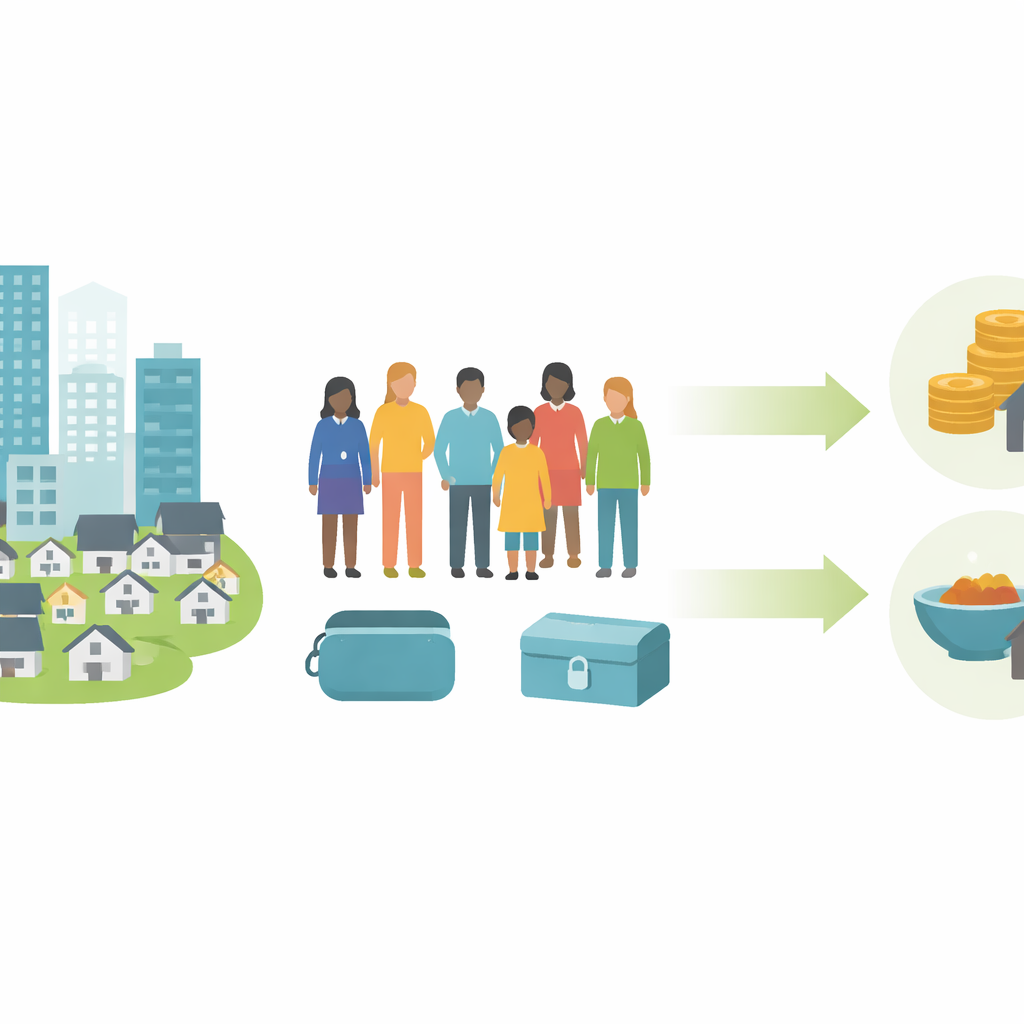
Following the same families over time
The researchers began in late 2018 by surveying 1,525 adults living in informal settlements across Pune and the neighboring city of Pimpri-Chinchwad. All participants earned slightly more than bare survival levels, through wages, casual work, remittances, or government support, so they had at least some potential to save. Enumerators recruited one adult per household through door-to-door visits, and the team recorded information about the person, their household, and their earnings and expenses. This first round created a detailed snapshot of life in these communities just before the pandemic.
A simple savings tool put to the test
At the same time, the team ran a randomized trial to see whether a very basic savings aid could change behavior. Everyone received a small locked box to store money at home, but half of the participants were randomly chosen to also receive a portable “zip purse” as a soft commitment device. The idea was that people might be less likely to spend cash on temptations such as alcohol, sweets, or lottery tickets if they separated savings from everyday spending money. A second survey in late 2019, before COVID-19 struck India, largely repeated the first questionnaire so that the researchers could compare income, savings, and spending between those with and without the portable purse.
Capturing the shock of the pandemic
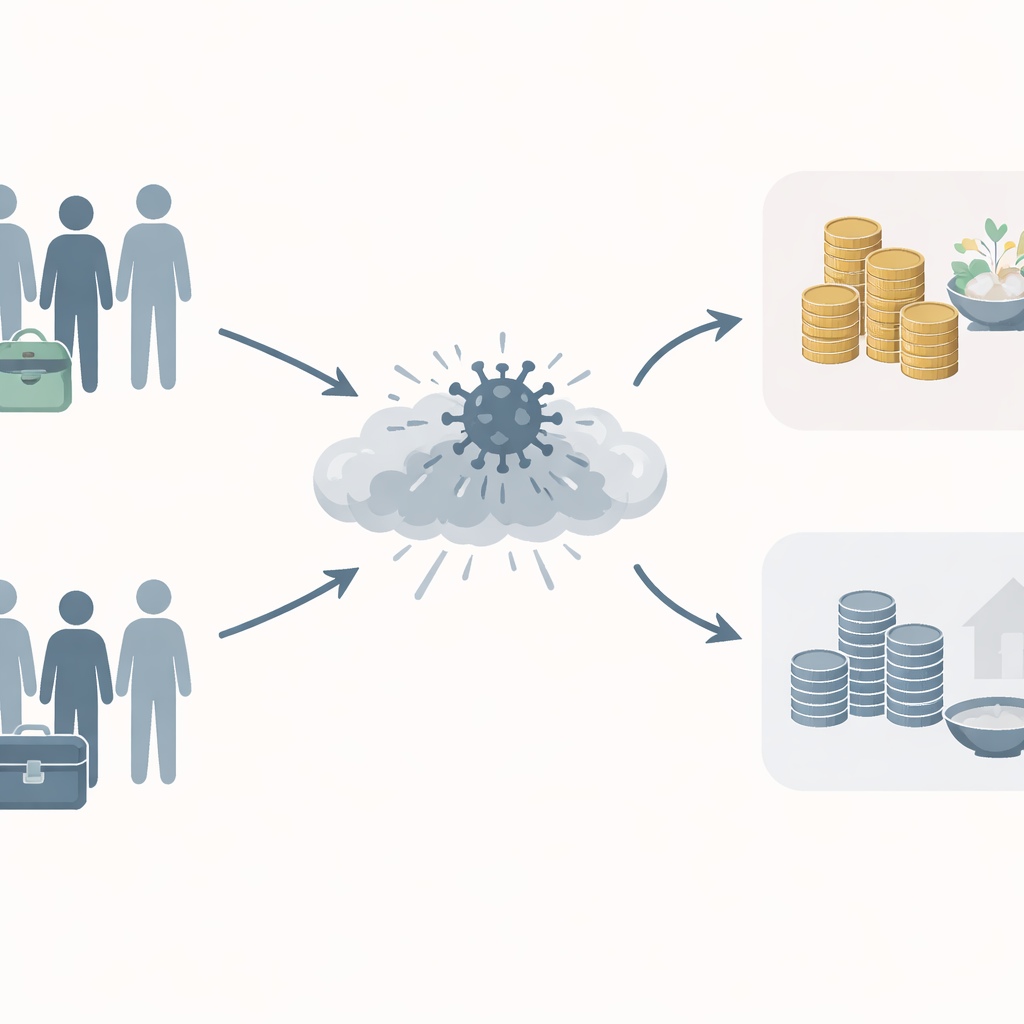
When COVID-19 hit and strict lockdowns followed, face-to-face interviews were no longer possible. The team switched to phone surveys for a third round in late 2020 and a fourth in early 2022, reaching those who could be contacted by phone and agreed to participate. These later questionnaires still tracked core topics such as savings, assets, and food spending, but added new sections on COVID-19 knowledge and protection behavior, illness, mental strain, and support from government or charities. They also asked about job loss, reduced work hours, and difficulties paying for food and health care, providing a window into how deeply the crisis affected already vulnerable households and how their situation evolved two years on.
Beyond money: gender, decisions, and safety
Throughout the four rounds, the study went beyond simple income and spending totals. It included questions on financial literacy, attitudes toward risk and the future, and how men and women see their roles in the household. Female respondents were asked about their freedom of movement, who makes financial decisions at home, and how often money matters lead to conflict. During the 2020 phone survey, women were also asked about experiences of domestic violence, while later rounds probed views on child care and division of responsibilities. These details allow future users of the data to explore how money, power, and safety within families interact, especially under stress.
What this dataset offers to the world
By tracking the same individuals over four rounds from 2018 to 2022, this dataset lets researchers study how a simple savings tool may help people resist everyday temptations and whether having such a tool changes how families cope with a major crisis like COVID-19. It also documents which households lost income, how quickly they recovered, and how their food spending, assets, and sense of security shifted over time. While it does not by itself solve poverty, the data provide an unusually rich, long-term picture of life on the financial edge—helping policymakers and practitioners design better ways to support low-income urban families before, during, and after the next shock.
Citation: Mittal, N., Vollmer, S. Savings behaviour and livelihoods before and after COVID-19 – a four round panel dataset from Pune, India. Sci Data 13, 318 (2026). https://doi.org/10.1038/s41597-026-06648-y
Keywords: household savings, urban poverty, COVID-19 livelihoods, financial behavior, India slums