Clear Sky Science · en
Abemaciclib in meningiomas with somatic NF2 or CDK pathway alterations: the phase 2 Alliance A071401 trial
Why this brain tumor study matters
Meningiomas are the most common primary brain tumors. Many people do well after surgery and radiation, but for those whose tumors keep coming back or growing, there are few effective medicines. This study tested whether an existing cancer drug, abemaciclib, could slow the growth of aggressive meningiomas that carry specific genetic changes, offering new hope where options are scarce.
A closer look at stubborn brain tumors
Most meningiomas are slow-growing and can often be controlled with surgery and, if needed, radiation. However, higher-grade tumors (called grade 2 and 3) are more aggressive and likely to return. Historically, drug treatments for these recurrent tumors have had limited success. Over the past decade, scientists have mapped the DNA changes that drive meningiomas and found that some tumors carry alterations in genes such as NF2 and those that control the cell cycle, the machinery that tells cells when to divide. These discoveries opened the door to testing drugs that specifically target these altered pathways.
Designing a gene-guided drug trial
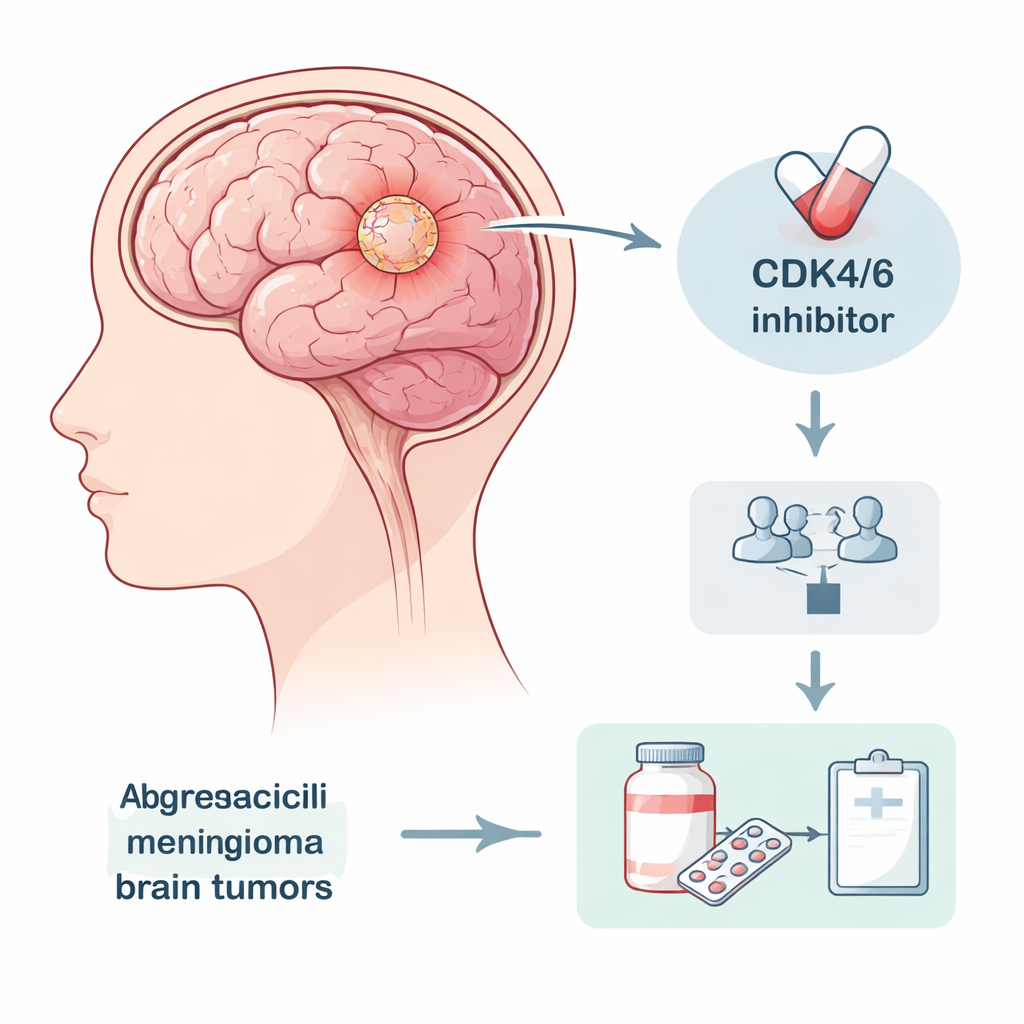
The researchers launched a nationwide, precision-medicine trial called Alliance A071401 to match patients with recurrent or progressive meningiomas to targeted drugs based on the genetic makeup of their tumors. One arm of this trial focused on abemaciclib, an oral drug that blocks two key cell-cycle proteins called CDK4 and CDK6. Patients could join this arm if they had grade 2 or 3 meningiomas with either NF2 mutations or alterations in the CDK pathway. All participants had already undergone surgery, almost all had received radiation, and many had tried other systemic therapies. Abemaciclib was taken twice daily in 28-day cycles and continued until the tumor clearly worsened or side effects became unacceptable.
How well did the treatment work?
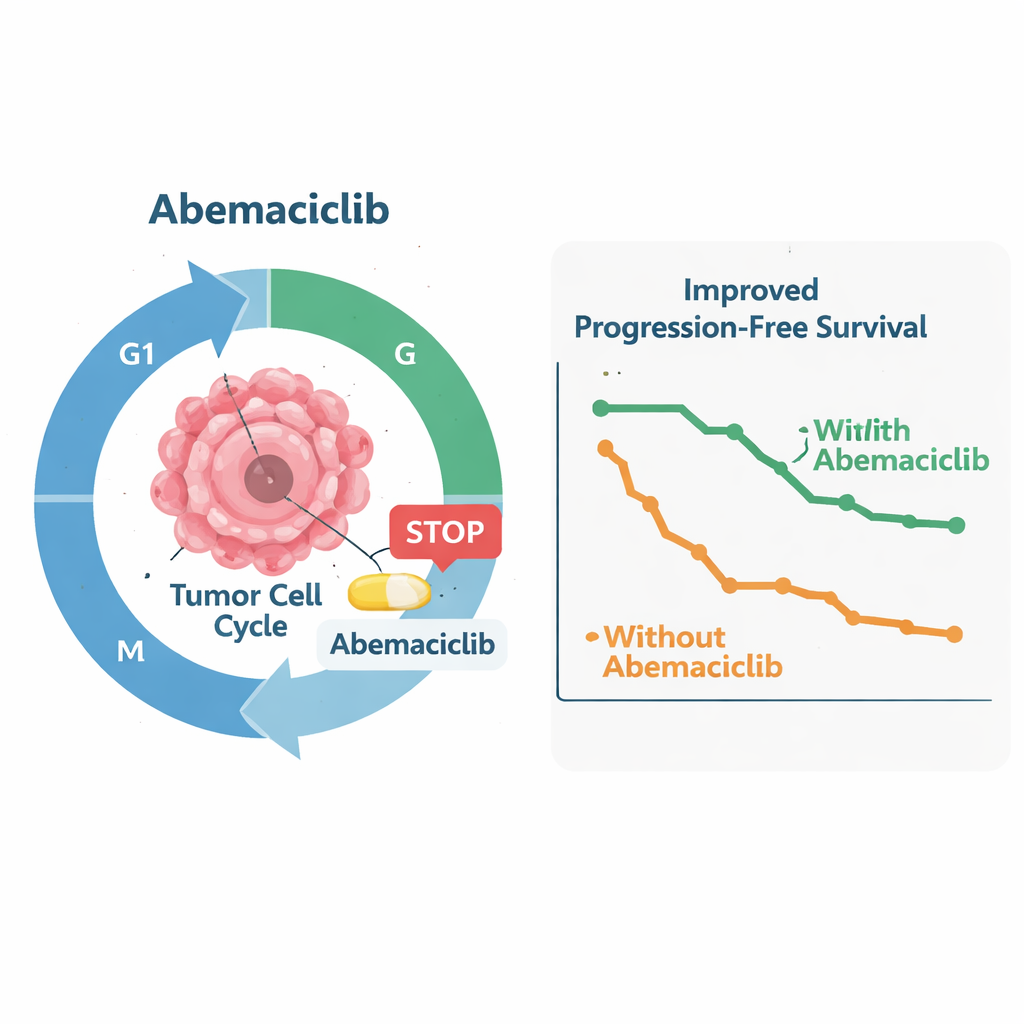
The main yardstick for success was how many patients were alive and free from tumor progression six months after starting abemaciclib. Among the first 24 eligible patients analyzed, 14 (58%) met this mark, comfortably exceeding the predefined threshold of eight patients that would signal promising activity. The best overall tumor response was “stable disease” in two-thirds of these patients; none had clear shrinkage of their tumors, but keeping aggressive tumors from growing is clinically important in a setting where they typically worsen despite treatment. When all 35 evaluable patients were considered, the median time before the disease progressed was 7.6 to 10.1 months, depending on the analysis, and the median overall survival was about 29 months. Genetic analyses suggested that patients whose tumors carried NF2 mutations tended to stay progression-free longer than those with CDK pathway alterations alone, though the study was too small to draw firm conclusions.
Side effects and safety
All 36 patients who started abemaciclib were monitored for side effects. On average, they received nine treatment cycles. About one-third experienced delays in at least one cycle, and seven stopped therapy because of side effects or complications. Eleven patients had severe (grade 3 or 4) events possibly related to the drug, including low blood counts, diarrhea, fatigue, liver enzyme elevations and, in one case, severe vomiting. These side effects were similar to those seen when abemaciclib is used for other cancers, such as breast cancer, and were generally considered manageable with dose adjustments and supportive care.
What this means for patients
This trial did not include a comparison group receiving another standard drug, in part because there is no agreed-upon standard treatment once surgery and radiation fail. Instead, the researchers compared their results to historical data from previous trials in similar patients, which show that only about one-third remain progression-free at six months. In this study, the 58% six-month progression-free rate stands out as encouraging, especially given that many tumors had already resisted multiple therapies. Although abemaciclib rarely shrank tumors, its ability to hold them in check for many months represents meaningful progress for patients with few options.
A step toward more precise brain tumor care
For people facing aggressive, treatment-resistant meningiomas, this study offers cautious optimism. It shows that matching patients to drugs based on the genetics of their tumors is feasible on a national scale and that abemaciclib can slow disease progression with a manageable safety profile in many cases. While larger, controlled trials are still needed, these findings support further testing of abemaciclib—possibly in combination with other treatments—and move the field closer to truly personalized care for patients with high-grade meningiomas.
Citation: Brastianos, P.K., Dooley, K., Geyer, S. et al. Abemaciclib in meningiomas with somatic NF2 or CDK pathway alterations: the phase 2 Alliance A071401 trial. Nat Med 32, 717–724 (2026). https://doi.org/10.1038/s41591-025-04141-4
Keywords: meningioma, abemaciclib, brain tumor, targeted therapy, clinical trial