Clear Sky Science · en
Comprehensive repertoire of the chromosomal alteration and mutational signatures across 16 cancer types
Why the hidden patterns in cancer DNA matter
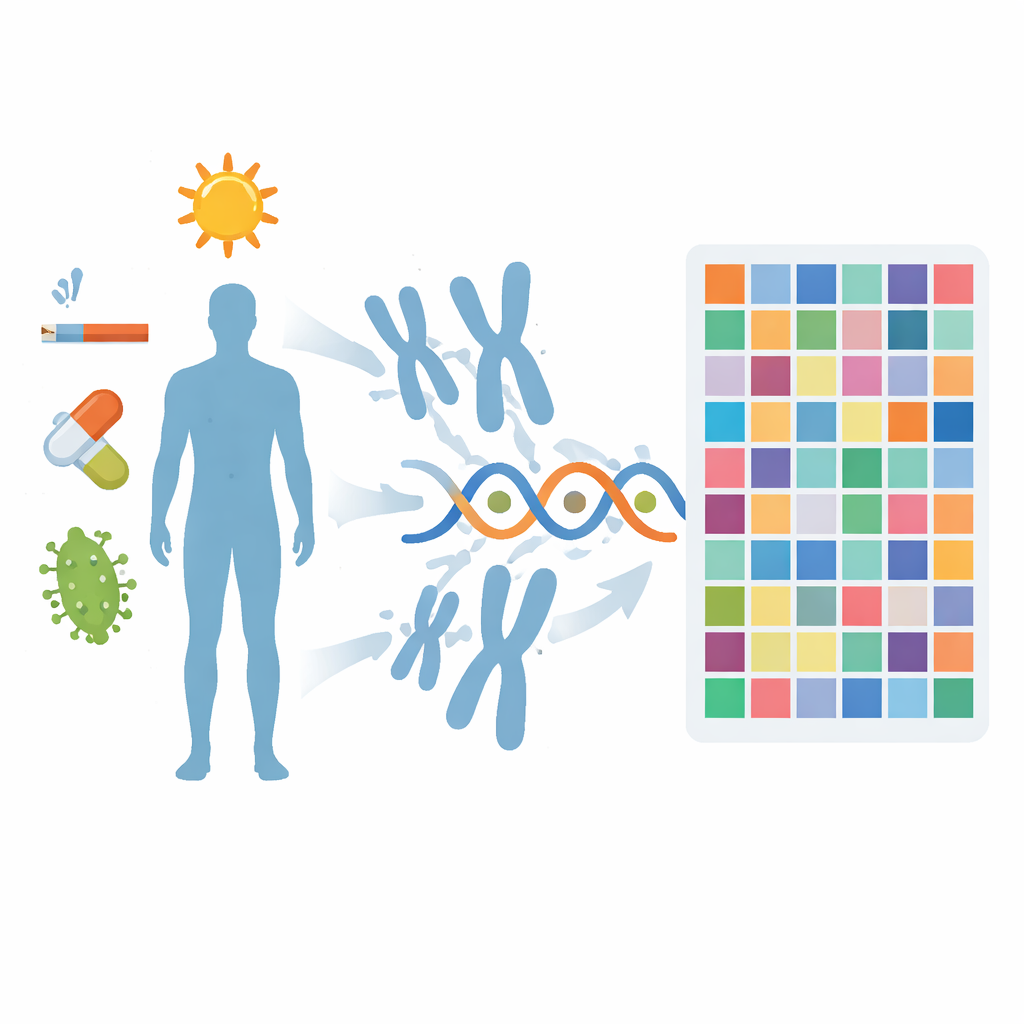
Cancers do not arise from random chaos in our DNA. Each tumor carries a fingerprint of the forces that damaged its chromosomes over a lifetime: sunlight, tobacco smoke, faulty repair machinery, even medical treatments themselves. This study used whole‑genome sequencing of nearly eleven thousand patients in England to read those fingerprints in unprecedented detail, across 16 common cancer types. By charting these patterns systematically, the researchers show how they can reveal the causes of tumors, uncover weaknesses in their DNA repair systems and help match patients to targeted therapies.
Looking for clues in damaged DNA
Every time a cell’s DNA is harmed and then repaired, it leaves telltale scars. Some are single‑letter typos in the genetic code; others are small insertions or deletions, gains and losses of large chromosome segments, or dramatic rearrangements where pieces are broken and stitched back together. Each damaging process leaves a characteristic combination of such scars, known as a mutational signature. Using whole‑genome sequencing rather than just the genes, the team cataloged five broad classes of damage – single‑base changes, double‑base changes, small insertions and deletions, copy‑number changes and large structural variations – in 10,983 tumors. In total they analyzed more than 370 million mutations, then used computational methods to separate overlapping patterns into 134 distinct signatures.
New patterns and what they reveal
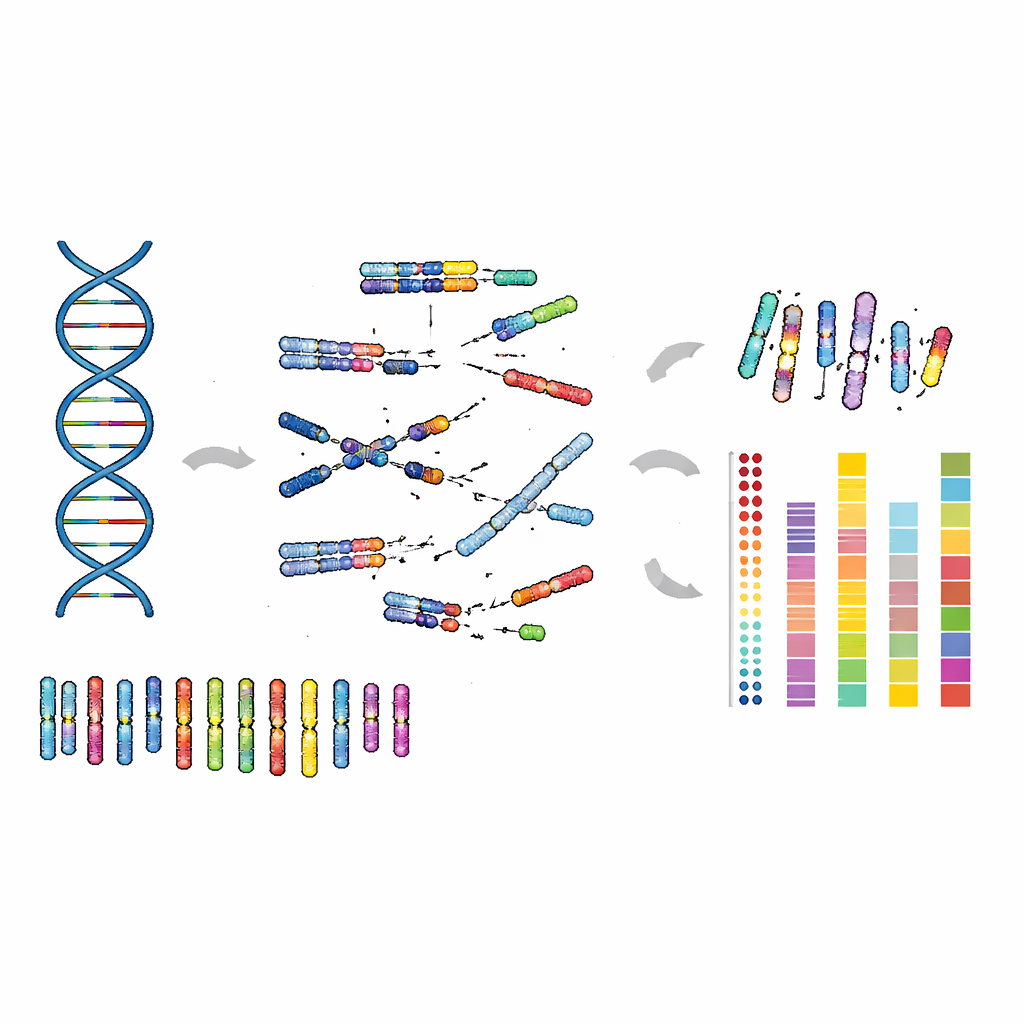
Most of the signatures matched those already listed in the COSMIC international database, but 26 did not. Ten entirely new signatures came from large structural rearrangements such as deletions, duplications and inversions of chromosome segments. Others represented previously unrecognized flavors of small insertions and deletions or double‑base changes. By examining which signatures tended to appear together, the authors could link many of them to known processes. For example, one cluster of signatures tracked exposure to ultraviolet light; another reflected the activity of APOBEC enzymes that can shred DNA, and others marked defects in specific DNA repair pathways, such as mismatch repair or homologous recombination. A newly described copy‑number pattern, labeled CN25, pointed to a catastrophic shattering and reassembly of chromosomes called chromothripsis, particularly in certain brain, sarcoma and prostate tumors.
Connecting DNA scars to patients and treatments
The power of this atlas comes from tying signatures back to clinical information. The team showed that some patterns are linked to age, sex or tumor type: for instance, clock‑like signatures that slowly accumulate over life rose with age, while others tied to bacterial toxins or environmental chemicals were enriched in younger colorectal cancer patients. Certain signatures strongly tracked with inherited or acquired faults in DNA repair genes such as BRCA1, BRCA2, MUTYH, POLE and MSH6. Others reflected past exposure to therapies like radiotherapy or platinum‑based drugs, leaving a permanent, recognizable imprint in the tumor genome. By estimating when in a tumor’s history each signature acted, the researchers found that external agents like sunlight and smoking usually strike early, while many repair defects arise later, after the cancer has already formed.
Signatures as guides for precision medicine
Because mutational signatures summarize how a tumor handles DNA damage, they can serve as practical markers for treatment choice. In this cohort, about one in six breast cancers and nearly one in three ovarian cancers bore the combined signatures of a broken homologous‑recombination repair system, suggesting they might respond to drugs such as PARP inhibitors or to platinum chemotherapy, even when no BRCA gene mutation was found. Similarly, characteristic mismatch‑repair signatures identified subsets of tumors across many organs that could benefit from immune checkpoint inhibitors. Patterns linked to APOBEC activity, chromothripsis and other processes were also associated with patient survival in certain cancers, hinting that they may refine prognosis beyond traditional stage and grade.
What this means for people with cancer
This work shows that cancer genomes are not just long lists of random mutations but organized records of what went wrong in each patient’s cells. By reading these records at whole‑genome scale, the authors provide a reference map of 134 mutational signatures, including a comprehensive set for large chromosomal alterations. As sequencing becomes more common in routine care, such maps could help doctors infer the hidden causes of an individual tumor, flag inherited risks, and choose therapies that exploit its specific DNA‑repair weaknesses. In short, the patterns of damage etched into cancer DNA may become powerful guides for more accurate diagnosis and more personalized treatment.
Citation: Everall, A., Tapinos, A., Hawari, A. et al. Comprehensive repertoire of the chromosomal alteration and mutational signatures across 16 cancer types. Nat Genet 58, 570–581 (2026). https://doi.org/10.1038/s41588-025-02474-x
Keywords: mutational signatures, whole genome sequencing, DNA repair, precision oncology, chromosomal rearrangements