Clear Sky Science · en
Need, demand, and feasibility for a new iNTS vaccine: stakeholder insights from eight African countries
Why this hidden infection matters
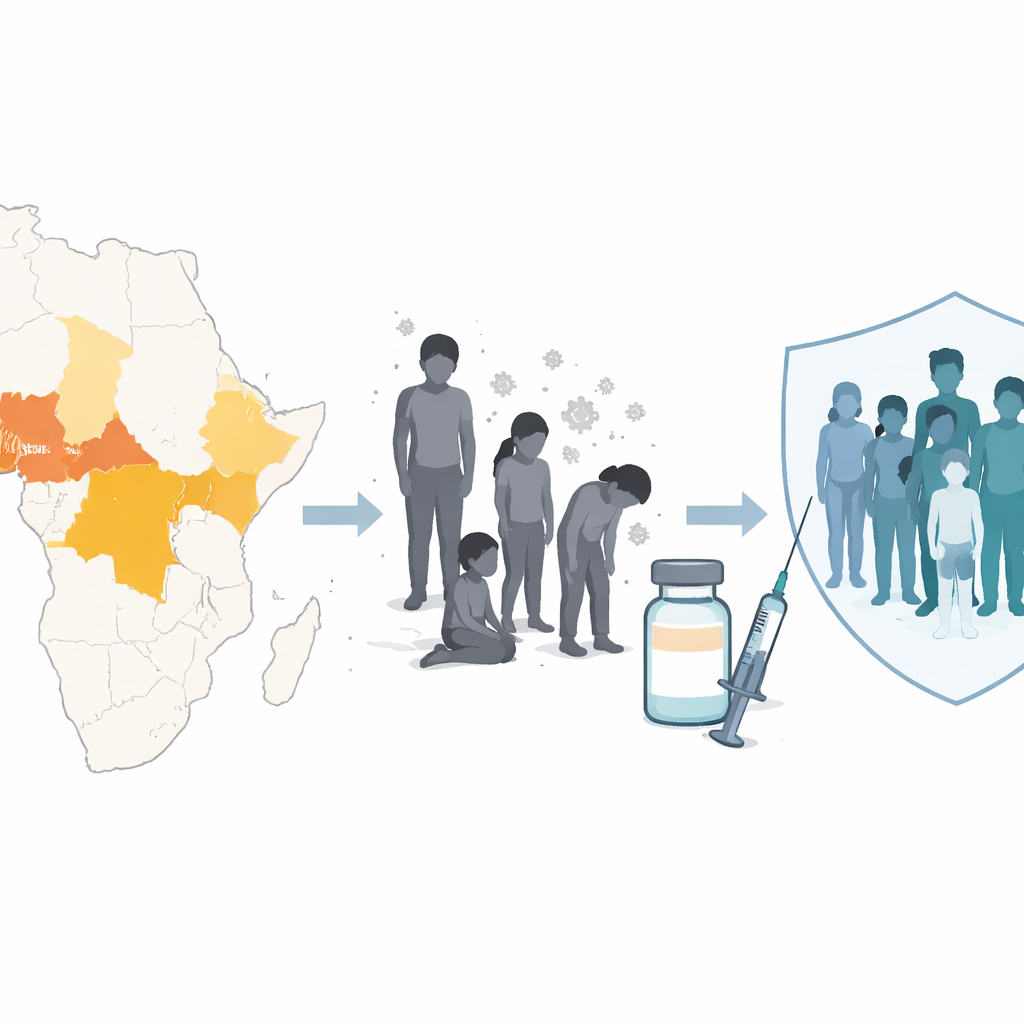
Across parts of Africa, a dangerous but little-known infection is quietly claiming lives, especially among young children and people with weakened immune systems. This illness, called invasive non-typhoidal Salmonella (iNTS), is caused by the same family of bacteria that often bring on food poisoning, but in this form the germs invade the bloodstream and organs. Because there is still no vaccine and many strains are becoming harder to treat with antibiotics, health planners need to know: do those on the front lines see an urgent need for a new vaccine, and what would it take to introduce one?
Listening to those on the front lines
The researchers built an online survey and invited 84 key decision-makers and health workers in eight African countries—Burkina Faso, the Democratic Republic of Congo, Ethiopia, Ghana, Kenya, Malawi, Mozambique, and Nigeria—to share their views; 74 completed the questionnaire. Most were doctors or researchers with advanced training and many years of experience. They were asked what they knew about iNTS, how common and serious they believed it was, how they currently tried to prevent and treat it, and how they would view a future vaccine, including who should receive it and how it should be rolled out.
How common and severe the disease appears
Almost all respondents had heard of iNTS, and many believed it was both widespread and dangerous in their countries. About half said the disease was common and nearly a quarter called it very common. In several countries—Burkina Faso, the Democratic Republic of Congo, Ghana, Kenya, and Malawi—around one third of respondents described it as very common, and large shares judged it to be very serious. Their impressions match what formal studies have found: iNTS tends to strike children and people living with conditions such as HIV, malaria, and malnutrition, and it can lead to bloodstream infections, meningitis, and septic shock. Yet some respondents were uncertain about which symptoms and risk factors are truly linked to the disease, underlining gaps in everyday knowledge even among specialists.
Current tools and their limits
Today, antibiotics are the main line of defense against iNTS, and nearly 95% of respondents named them as the most effective treatment. Many also emphasized basic hygiene—such as handwashing and clean water—as the best way to prevent infections. While these steps are important, relying heavily on antibiotics fuels antimicrobial resistance, making the bacteria harder and more expensive to treat. The World Health Organization has warned that unchecked resistance could cause millions of deaths and push many people into extreme poverty in the coming decades. In this light, a vaccine that could prevent infections in the first place is especially attractive.
How experts view a future vaccine
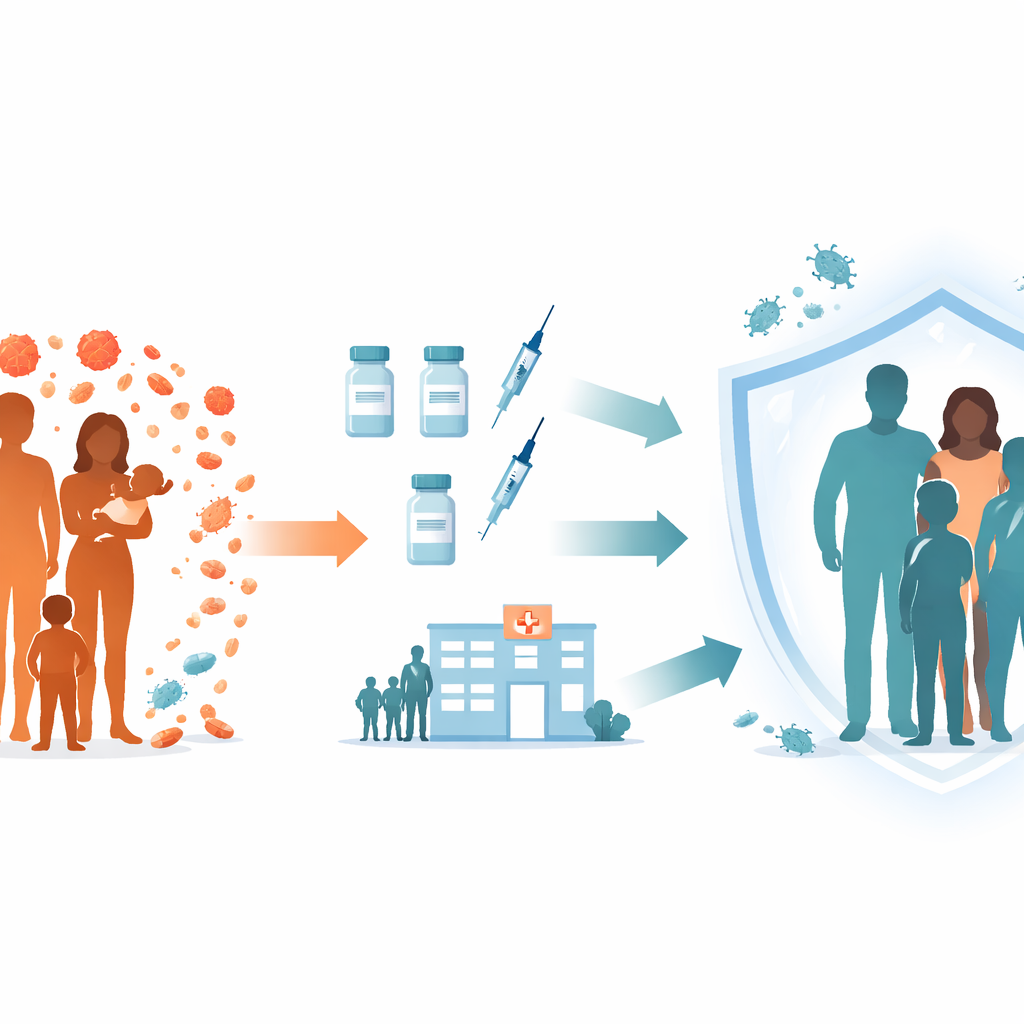
When asked about prevention, about two-thirds of respondents chose vaccination as the preferred option, and most said that high coverage in routine childhood schedules, with extra catch-up doses, would be needed to control iNTS. Many favored vaccinating children under five years old, especially those aged two to four and infants; giving doses at birth was seen as less practical. If a multi-dose vaccine became available, experts initially leaned toward a three-dose course, but their preference shifted toward two doses when they were asked to consider higher costs—showing how sensitive real-world programs are to price. When ranking vaccines by importance, respondents placed an iNTS vaccine third, after long-established vaccines against tuberculosis and polio, and more than three-quarters said developing such a vaccine is urgent.
Challenges that stand in the way
Despite the clear interest, respondents foresaw major hurdles. In many communities, people rarely buy vaccines; they expect them to be free and may not even know such products exist on the open market. The most frequently cited barriers to introducing an iNTS vaccine were lack of funding, limited awareness among the public and professionals, and concerns about whether communities would accept yet another shot. Participants also pointed to broader issues such as health budgets, supply problems, and the need for reliable systems to reach children at the right ages. At the same time, almost all believed that their governments would be willing to add an iNTS vaccine to national immunization programs once the disease burden, safety, and benefits were clear.
What this means for protecting people
In simple terms, this study shows that those closest to the problem see iNTS as a serious and under-recognized threat, and they strongly support the idea of a vaccine to prevent it. However, they also warn that success will depend on more than just having a safe and effective shot. Governments, global partners, and manufacturers will need to secure funding, raise awareness, and design vaccination schedules that fit local realities and budgets. If these pieces come together, a future iNTS vaccine could help spare vulnerable children and adults from deadly bloodstream infections, reduce the overuse of antibiotics, and ease pressure on already stretched health systems in some of the world’s most fragile settings.
Citation: Gunarathna, S., Hwang, Y., Lee, JS. et al. Need, demand, and feasibility for a new iNTS vaccine: stakeholder insights from eight African countries. npj Vaccines 11, 64 (2026). https://doi.org/10.1038/s41541-026-01391-2
Keywords: invasive non-typhoidal Salmonella, African vaccines, antimicrobial resistance, childhood infections, vaccine policy