Clear Sky Science · en
Extensively drug-resistant and heat-resistant Enterococcus faecalis and Enterococcus faecium in ready-to-eat meat products
Why your favorite meat snack matters
Shawarma wraps, stuffed Hawawshi bread, and thin slices of pastrami are quick, tasty meals that many people buy ready-to-eat, assuming they are safe once cooked. This study shows that these convenient foods can quietly carry tough bacteria that not only shrug off heating, including microwaving, but are also resistant to many of the antibiotics doctors rely on. Understanding what the researchers found helps explain why food hygiene and wise antibiotic use matter to everyone, not just hospital patients.
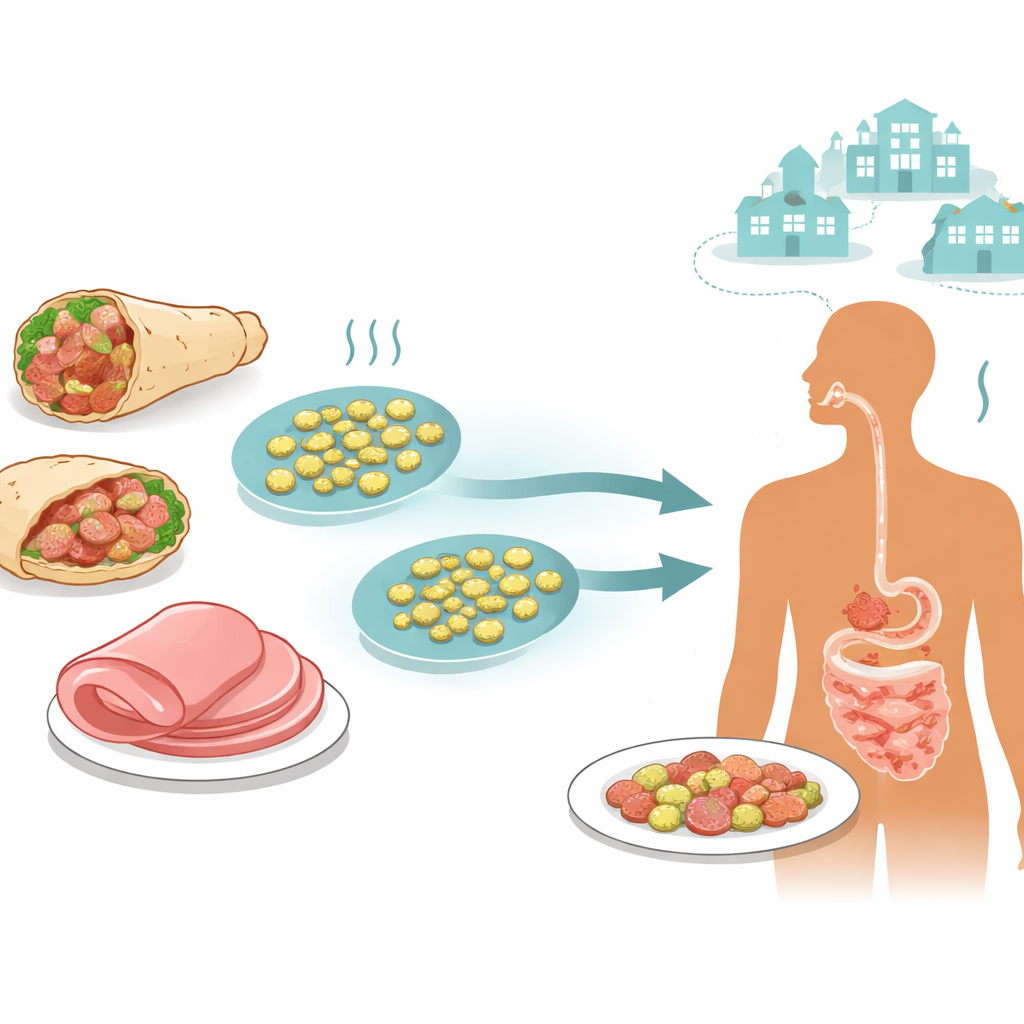
Hidden passengers in everyday street foods
The researchers bought 135 ready-to-eat meat items—shawarma, Hawawshi, and pastrami—sold in Mansoura, Egypt, and checked them for a group of bacteria called Enterococcus. These microbes normally live in the intestines of humans and animals and often cause no harm, but some strains can trigger serious infections, especially in vulnerable people. Every single sample tested was contaminated with Enterococcus. Genetic tests showed that two species dominated: Enterococcus faecium made up about two-thirds of the isolates, and Enterococcus faecalis the remaining third. These particular species are well known to doctors because they frequently show up in hard-to-treat hospital infections.
Built-in tools that help bacteria cause disease
To see how threatening these food-borne strains might be, the team looked for genes that help Enterococcus cling to tissues, form protective slime layers known as biofilms, and evade the immune system. They focused on two key genes: gelE, which enables the bacteria to produce an enzyme that breaks down host proteins, and ace, which helps them stick to collagen, a main structural component in the body. Over 70% of all isolates carried gelE and about 65% carried ace. Almost every E. faecalis isolate had both genes, suggesting it may be especially capable of establishing persistent infections if it reaches people.
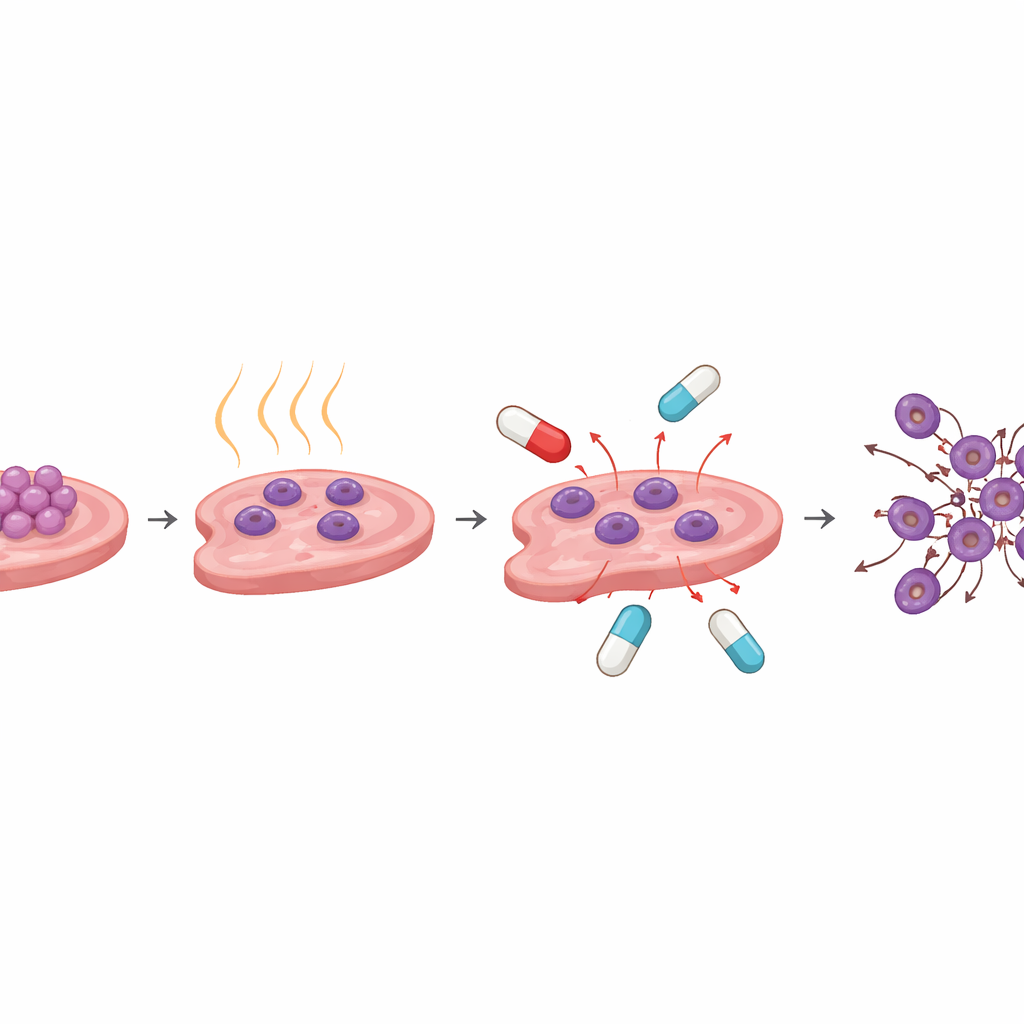
Resistance to key antibiotics is widespread
The most alarming finding was how resistant these bacteria were to medicines. All 270 isolates resisted at least four different antibiotics, and nearly all resisted six or more. Every isolate was resistant to ampicillin, a common penicillin-type drug, and all E. faecalis isolates were also resistant to imipenem, another powerful class of antibiotic. More than 85% were resistant to vancomycin, one of the last-resort drugs used when other treatments fail, and nearly one-third resisted linezolid, another critical fallback medicine. Genetic testing showed that most vancomycin-resistant strains carried vanA, a gene that allows them to ignore this drug, and some also carried vanB. Overall, more than 80% of the isolates were classified as multidrug-resistant and about 14% as extensively drug-resistant.
Surviving the heat of the kitchen
Because many people reheat leftovers in a microwave, the scientists tested whether extra heating would help. They measured Enterococcus levels in the meat products before and after microwaving for five minutes at high power. The bacterial counts barely dropped—less than a single “log” step in scientific terms—showing that large numbers of these microbes survived the additional heating. The researchers then examined a few of the surviving strains in detail. All were resistant to crucial antibiotics such as amoxicillin, vancomycin, and linezolid and still carried virulence genes. One of these survivors was resistant to every antibiotic tested.
What this means for everyday eaters
For the average person, this study does not mean that every shawarma or pastrami sandwich will make you sick. Rather, it reveals that popular ready-to-eat meats can act as a reservoir for bacteria that are unusually hard to kill—by heat or by drugs—and that carry traits linked with severe disease. If such bacteria reach the human gut, they may not only cause infections but can also share their resistance genes with other microbes. The results highlight the need for stricter hygiene and temperature control in meat processing and food service, along with more careful use of antibiotics in animals and people. In short, keeping these resilient bacteria out of the food chain protects both our meals today and our treatment options tomorrow.
Citation: Sallam, S.A., Abd-Elghany, S.M. & Sallam, K.I. Extensively drug-resistant and heat-resistant Enterococcus faecalis and Enterococcus faecium in ready-to-eat meat products. npj Sci Food 10, 117 (2026). https://doi.org/10.1038/s41538-026-00790-y
Keywords: antibiotic resistance, food safety, ready-to-eat meat, Enterococcus, vancomycin-resistant bacteria