Clear Sky Science · en
Lactobacillus acidophilus KBL409 improves serum indoxyl sulfate via gut microbial changes in a human study
Why Gut Bacteria Matter for Kidney Health
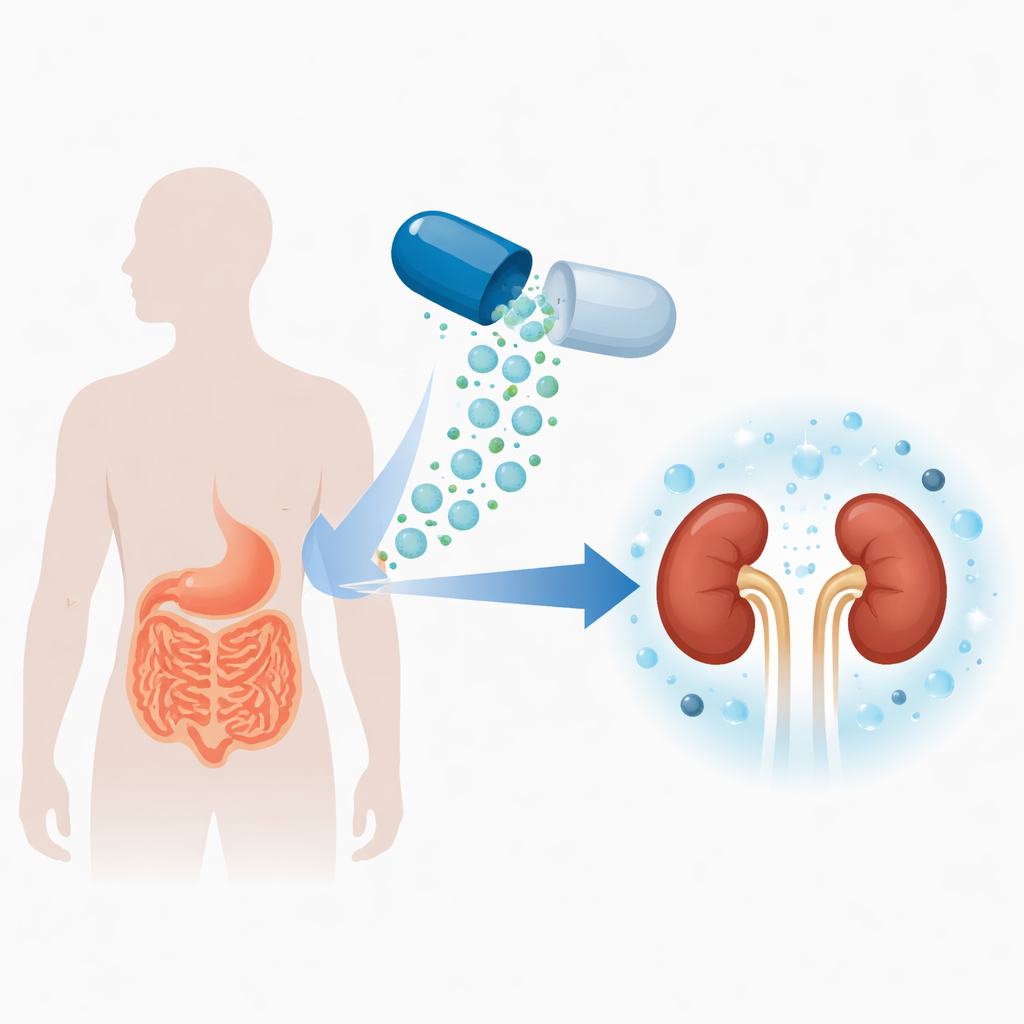
Chronic kidney disease is a quiet but growing health problem, and many people living with reduced kidney function are looking for ways to protect the organs they have left. This study explores an unexpected ally: a specific probiotic strain, Lactobacillus acidophilus KBL409. By gently reshaping the community of microbes in the gut, this bacterium may help lower a harmful blood waste product called indoxyl sulfate, which is linked to worsening kidney damage and heart trouble. The work offers a glimpse of how adjusting our gut "ecosystem" could one day complement standard kidney care.
A Problem of Hidden Toxins
When kidneys weaken, they struggle to clear uremic toxins—small compounds that build up in the blood and harm blood vessels, the heart, and the kidneys themselves. One of the most important of these is indoxyl sulfate, which is made when gut microbes break down the dietary amino acid tryptophan. Higher levels of indoxyl sulfate are tied to faster kidney decline and greater risk of cardiovascular disease. Researchers have learned that certain gut bacteria are especially good at feeding these toxin-making pathways, suggesting that changing who lives in the gut might change how many toxins get produced.
Testing a Targeted Probiotic in People
The team had previously shown in mice that L. acidophilus KBL409 could lower several uremic toxins, ease inflammation and scarring in the kidneys, and support energy-producing structures in kidney cells. To see whether similar benefits might appear in humans, they ran a multi-center, randomized, double-blind, placebo-controlled trial—considered the gold standard in clinical research. Eighty-two adults with signs of kidney damage were assigned to take either a daily capsule containing 10 billion KBL409 bacteria or a look-alike placebo for 16 weeks. Neither the participants nor the investigators knew who received which capsule until the study ended.
What Changed in Blood and Stool
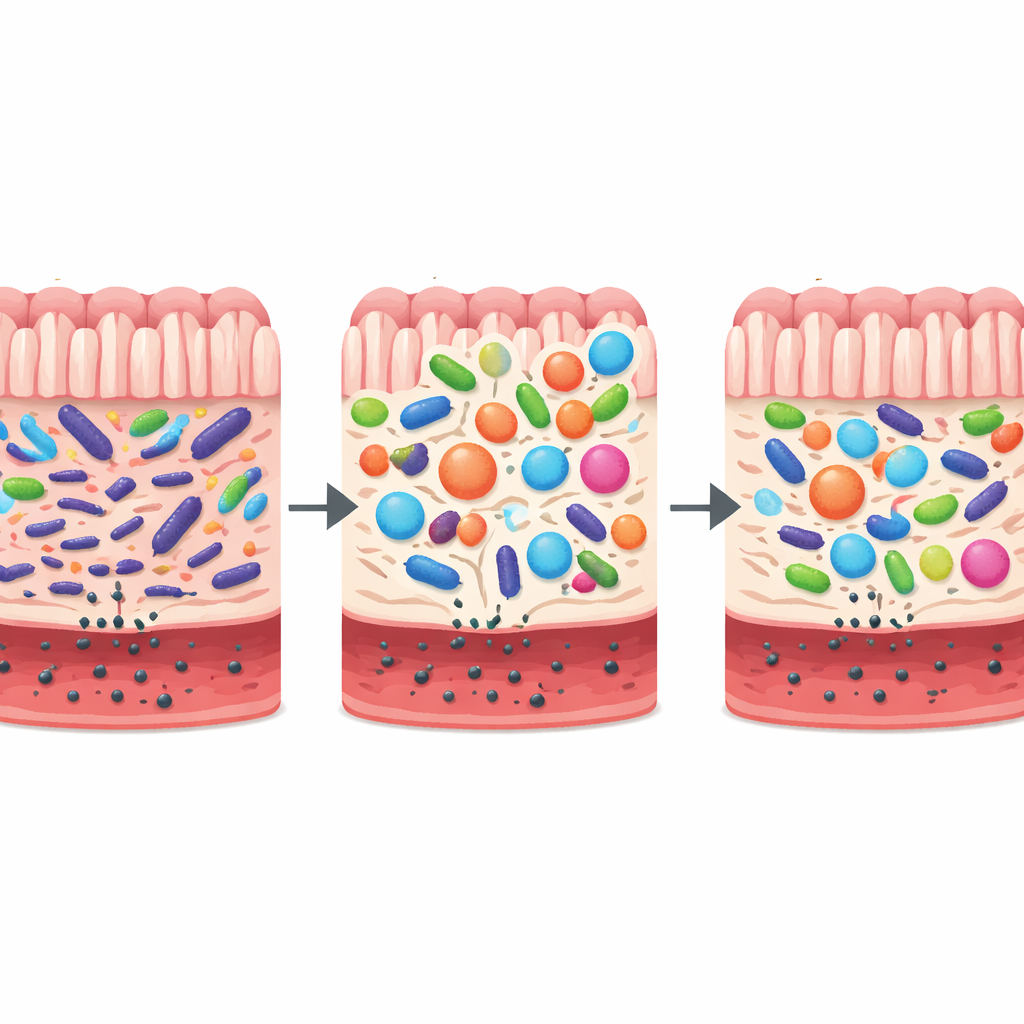
Among the 64 people who completed the study as planned, those taking KBL409 showed a clear drop in blood indoxyl sulfate compared with the placebo group, even though other toxins, such as p-cresyl sulfate and trimethylamine N-oxide, did not change. Routine measures of kidney function stayed largely stable, but protein and creatinine in the urine—signals of kidney stress—tended to move in a favorable direction in the probiotic group. Fecal analyses revealed that KBL409 increased the abundance of Lactobacillus in the gut while reducing several genera, including Blautia, Butyricicoccus, Lachnospiraceae UCG-004, and Megamonas, that were linked with toxin-forming pathways.
How Microbial Pathways Were Rewired
To look beyond which microbes were present and ask what they were doing, the researchers used computational tools to predict microbial gene activity from the stool DNA data. After 16 weeks of KBL409, they saw reduced activity in pathways that build aromatic amino acids such as phenylalanine, tryptophan, and tyrosine—key starting materials for many uremic toxins. The same bacteria that declined in number in response to the probiotic tended to show positive correlations with these toxin-related genes. In other words, by nudging down specific gut residents, KBL409 appeared to dial down the machinery that feeds indoxyl sulfate production.
Safety, Limits, and What Comes Next
The probiotic was generally well tolerated. Both the KBL409 and placebo groups reported a similar number of mostly mild side effects, and standard safety laboratory tests showed no meaningful differences. Still, the trial had important limits: it was relatively small, lasted only four months, and enrolled people whose toxin levels were not extremely high, which may have made it harder to detect broader kidney benefits. The predictions about microbial gene activity also need confirmation with direct measurements of metabolic products in stool, blood, and urine.
What This Could Mean for People with Kidney Disease
For nonspecialists, the main message is that a carefully chosen probiotic strain, L. acidophilus KBL409, can lower a harmful blood toxin linked to kidney and heart damage by reshaping the gut microbiome, without obvious safety concerns over 16 weeks. The study does not prove that this probiotic will slow kidney disease on its own, but it strengthens the idea that gut bacteria are part of the kidney story—and that one day, tailored microbial therapies might sit alongside blood pressure medicine, diet, and other treatments to help people preserve kidney function.
Citation: Jang, S.J., Park, S., Lee, K. et al. Lactobacillus acidophilus KBL409 improves serum indoxyl sulfate via gut microbial changes in a human study. npj Sci Food 10, 108 (2026). https://doi.org/10.1038/s41538-026-00755-1
Keywords: chronic kidney disease, probiotics, gut microbiome, indoxyl sulfate, uremic toxins