Clear Sky Science · en
Effects of Lactiplantibacillus plantarum on moderate dyslipidemia before medication involving gut microbiota and host genetics
Friendly Bacteria and Heart Health
High cholesterol is a major risk factor for heart attacks and strokes, but many people with only mildly raised levels are not yet on medication. This study asked a simple but important question: can a daily dose of specific “good bacteria” gently nudge cholesterol down before drugs are needed, and does the answer depend on the microbes already living in our gut and on our genes?
Who Took Part and What They Took
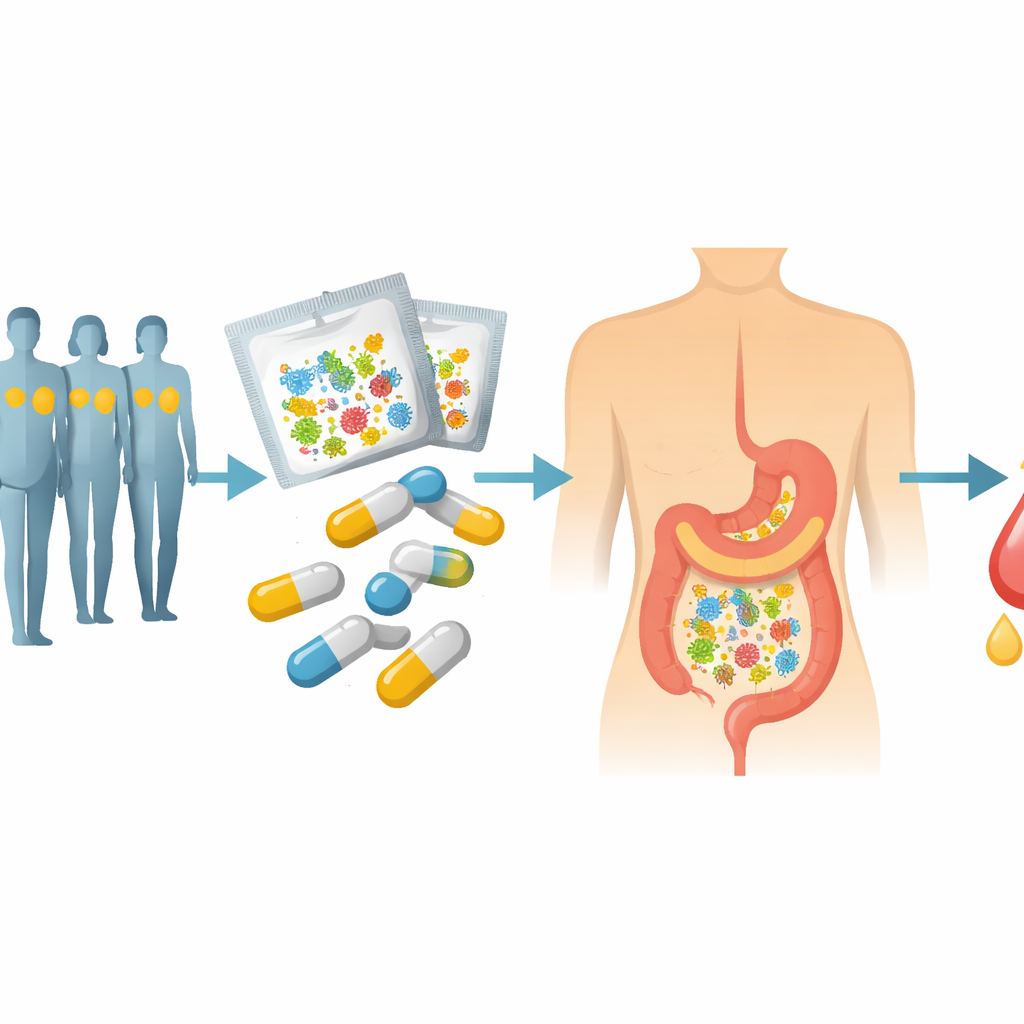
Researchers in Xi’an, China, enrolled 136 adults with moderately elevated blood fats who were not using cholesterol-lowering drugs. For 12 weeks, half received a daily sachet containing a mix of three Lactiplantibacillus plantarum strains, a type of probiotic often found in fermented foods, while the other half received a look‑alike placebo made of maltodextrin. Everyone also received the same lifestyle advice on healthy eating, exercise, weight control, smoking, alcohol, and sleep, so any extra benefit could be traced mainly to the probiotic.
Small but Meaningful Shifts in Cholesterol
When the researchers analyzed all participants as originally assigned, changes in “bad” LDL cholesterol and total cholesterol did not clearly differ between probiotic and placebo groups. But when they focused on those who followed the plan closely and did not take antibiotics (101 people), a clearer picture emerged. In this per‑protocol group, LDL cholesterol and total cholesterol dropped more in the probiotic group than in the placebo group over 12 weeks. The average extra reductions were modest—about 3 percent of the starting LDL level and about 3 percent of total cholesterol—but earlier large studies suggest that even 1 percent drops in cholesterol can translate into several percent lower risk of coronary heart disease over time. The probiotic did not noticeably change triglycerides, “good” HDL cholesterol, blood sugar, insulin, body weight, or markers of liver and kidney health, and no serious side effects occurred; minor stomach discomfort was similar in both groups.
How Gut Microbes and Bile Acids Come Into Play
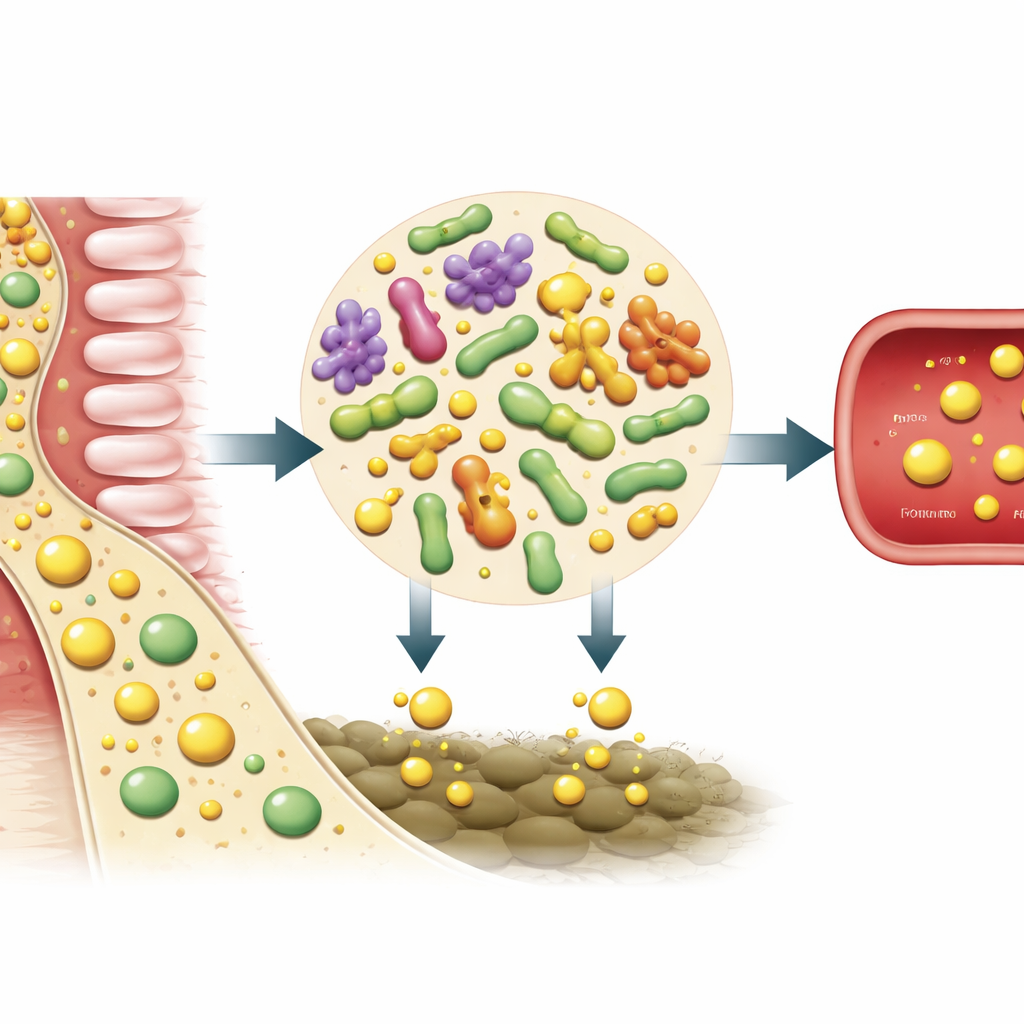
The team collected stool samples to see how the probiotic reshaped gut microbes and their chemical products. After 12 weeks, the probiotic group showed higher levels of Lactiplantibacillus plantarum itself, confirming that the bacteria were reaching the gut. Other microbe groups also shifted: some potentially helpful types, such as certain Firmicutes and Enterococcus faecalis, increased, while others like Alistipes and Bacteroides caccae decreased. The researchers also measured bile acids—detergent‑like molecules made from cholesterol that help digest fats and are heavily modified by gut microbes. Changes in specific bacteria were tightly linked to changes in several bile acids, especially their “conjugated” forms, and those bile acid shifts, in turn, were related to improvements in LDL cholesterol and triglycerides. This pattern supports a mechanism proposed in earlier work: probiotic microbes alter bile acid recycling in the intestine, forcing the liver to pull more cholesterol out of the bloodstream to make new bile, gradually lowering circulating cholesterol.
Why Response Differs from Person to Person
Not everyone benefitted equally. Using machine‑learning models trained on the starting gut microbiome, the scientists could predict which participants would achieve at least a 5 percent drop in LDL or total cholesterol with surprisingly high accuracy. Certain bacterial species stood out as helpful predictors. For example, some people who responded well started with more of a microbe called Bacteroides stercoris, while those with high levels of another common probiotic species, Bifidobacterium longum, were less likely to see large cholesterol drops from L. plantarum alone—perhaps because their microbiome was already partly protective. The team also calculated genetic risk scores based on cholesterol‑related DNA variants. Participants with lower genetic risk scores experienced far larger drops in LDL and total cholesterol on the probiotic than those with higher scores, suggesting that genes can either open the door wider to probiotic benefits or partly blunt their impact.
Toward More Personalized Probiotic Use
By combining genetic scores and a microbiome‑based score, the researchers estimated how much of the variation in cholesterol change could be explained by each factor. For LDL cholesterol, the gut microbiome explained more than twice as much of the response as genetics, hinting that our microbial passengers may be a more flexible target than our DNA when tailoring future interventions. Overall, this study suggests that for adults with moderately raised blood fats who are not yet on medication, sticking with a well‑characterized L. plantarum supplement can gently lower LDL and total cholesterol while reshaping gut bacteria and bile acids. Just as important, it shows that who benefits most may depend on the gut ecosystem and genes they bring to the table, pointing toward a future where probiotics and diet are chosen not just by what they are, but by who you are.
Citation: Ma, G., Li, Y., He, C. et al. Effects of Lactiplantibacillus plantarum on moderate dyslipidemia before medication involving gut microbiota and host genetics. npj Sci Food 10, 95 (2026). https://doi.org/10.1038/s41538-026-00749-z
Keywords: probiotics, cholesterol, gut microbiome, bile acids, precision nutrition