Clear Sky Science · en
Enhancing Kope cheese with phycoerythrin: microbial, physicochemical, sensory, and antioxidant insights
Why a colorful microbe pigment matters for your cheese
Cheese lovers rarely think about the invisible tug-of-war inside a slice: friendly microbes and helpful nutrients on one side, spoilage germs and slow staling on the other. This study explores whether a bright red pigment made by harmless microscopic "algae-like" organisms can tip that balance in favor of safety and freshness—without changing the cheese’s beloved taste and texture. By working with Kope cheese, a traditional product from Kurdistan, the researchers asked a simple but timely question: can a natural color also act as a gentle, built‑in preservative?
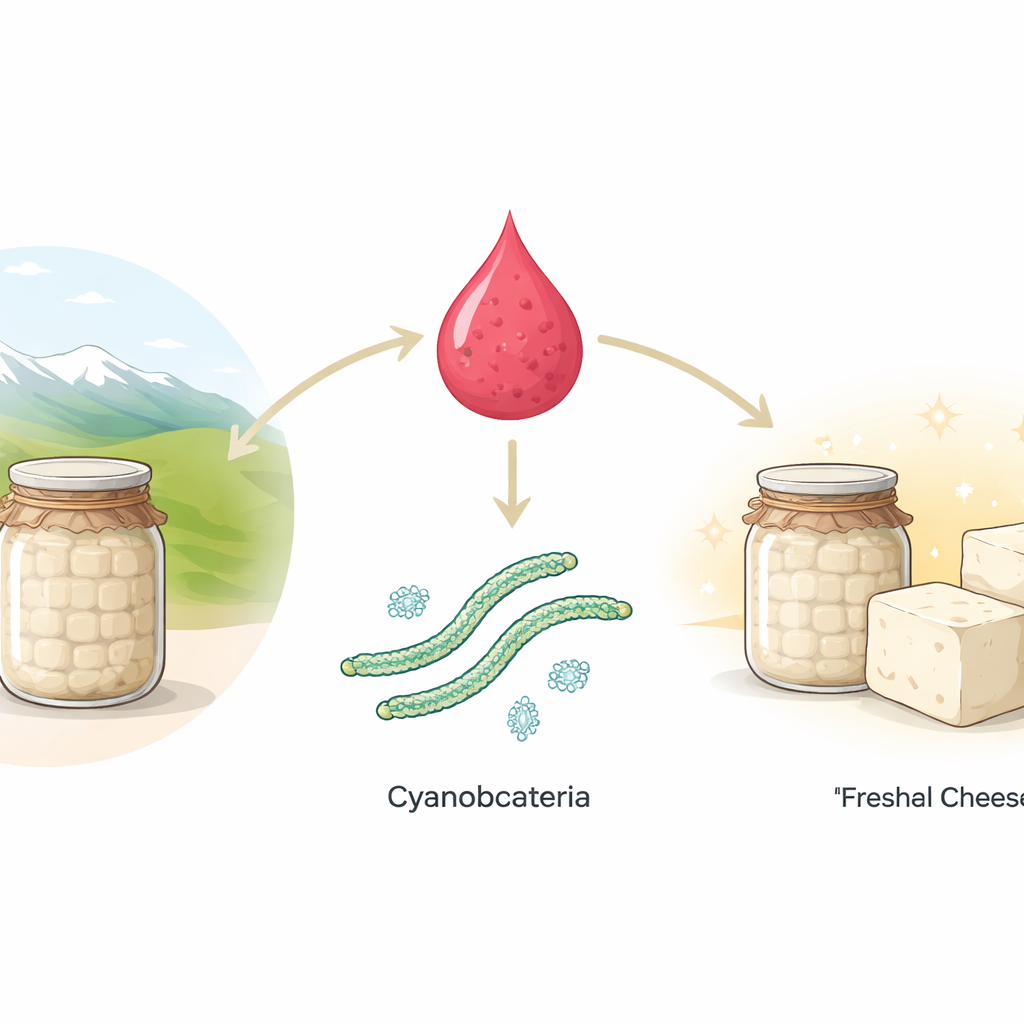
A traditional cheese with modern safety challenges
Kope cheese is made from raw sheep’s milk, packed into jars, and left to ripen, which gives it a rich flavor and firm texture. But because the milk is not heated, unwanted bacteria can survive the journey from farm to table. Around the world, traditional cheeses can harbor harmful microbes that sometimes cause food poisoning. At the same time, many consumers are wary of synthetic preservatives and artificial colors. The team behind this study looked for a natural way to make Kope cheese safer and longer-lasting, while keeping its identity as an artisanal food.
A red pigment from tiny water dwellers
The focus of the work is phycoerythrin, a red, light‑harvesting protein found in cyanobacteria—simple photosynthetic microbes that live in water and soil. The researchers grew a non‑toxic strain called Desmonostoc alborizicum FA1, carefully extracted its pigments, and partially purified the phycoerythrin. They then mixed this pigment into freshly made Kope cheese at three levels—1%, 1.5%, and 2% by weight—alongside an untreated control cheese. All cheeses were stored in the fridge for two months, and the team tracked how the microbial counts, color, acidity, water retention, antioxidant power, and sensory qualities changed over time.
Cleaner cheese with brighter color and better moisture
Across the 60‑day storage period, cheeses containing phycoerythrin had fewer total bacteria than the untreated cheese, with the 2% level giving the largest reduction by the end of the experiment. The pigment also subtly reshaped the look and structure of the cheese. Treated samples became slightly darker but more yellow‑golden and faintly reddish, a shift many consumers would associate with richness rather than spoilage. At the same time, the phycoerythrin slowed the rise in pH, kept acidity higher, and helped the cheese hold onto more water—meaning less liquid leaked out and the texture stayed more stable. These changes suggest that the pigment interacts with milk proteins in a way that strengthens the cheese’s internal network.
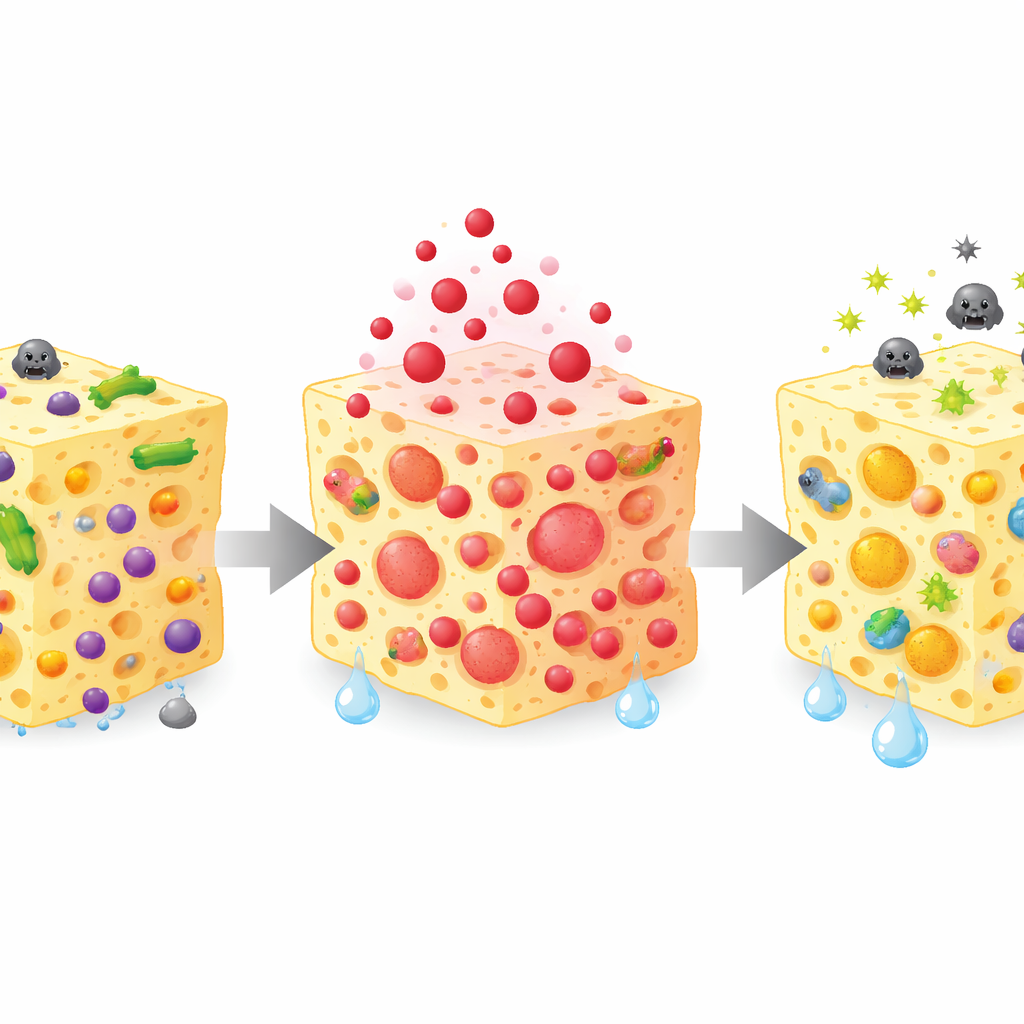
Built‑in antioxidant shield without losing flavor
The study also showed that phycoerythrin gave the cheese a chemical shield against everyday oxidative damage, the same kind of reaction that can make fats go rancid or dull the nutritional value of foods. Using several lab tests, the researchers found that higher pigment levels boosted the cheese’s ability to neutralize free radicals and lowered markers linked to oxidative stress; again, the 2% dose was the most effective and remained so over the full two months. Importantly, a trained tasting panel reported no meaningful changes in aroma, taste, or overall liking for any of the pigment‑enriched cheeses at any time point. Only minor, temporary texture differences were noticed early on at the highest level.
What this means for everyday dairy products
For non‑specialists, the bottom line is straightforward: a naturally vivid pigment derived from benign microbes can make a traditional raw‑milk cheese somewhat safer, more stable, and more resistant to oxidation, without spoiling its flavor or feel. Phycoerythrin from Desmonostoc alborizicum FA1 acted both as a gentle antimicrobial agent and as an antioxidant, while also lending a warm golden tint to Kope cheese. The work suggests that similar pigments could help replace chemical preservatives in a range of dairy foods, offering consumers products that are at once more natural, more appealing, and potentially longer‑lasting in the refrigerator.
Citation: Nowruzi, B., Norouzi, R., Norouzi, R. et al. Enhancing Kope cheese with phycoerythrin: microbial, physicochemical, sensory, and antioxidant insights. npj Sci Food 10, 104 (2026). https://doi.org/10.1038/s41538-026-00744-4
Keywords: natural food preservatives, functional dairy, cheese safety, cyanobacterial pigments, antioxidant cheese