Clear Sky Science · en
Cyanidin-3-O-galactoside improves meat quality, flavor and health attributes in small-tailed han lambs
Turning Fruit Waste into Better-Tasting Meat
Mutton lovers often face a trade-off: rich flavor can come with tougher texture or less healthy fat. This study explores a surprising helper from an unlikely source—crabapple processing waste. Scientists isolated a natural red pigment called cyanidin‑3‑O‑galactoside from crabapple fruit and tested whether adding it to lamb feed could make meat both tastier and better for health. Their work suggests that this single plant compound can fine‑tune how fat is stored in muscle, with benefits you can see, taste, and feel.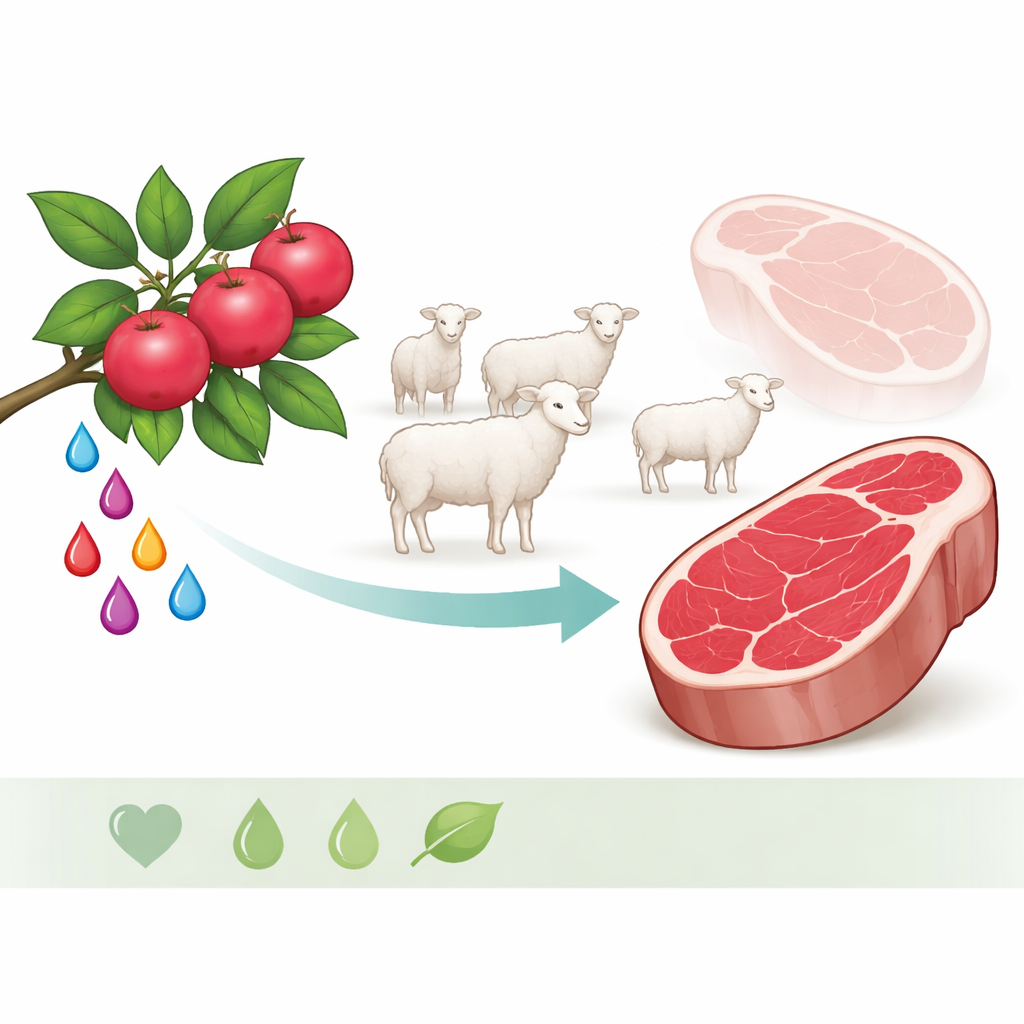
What the Researchers Set Out to Test
The team worked with Small‑Tailed Han lambs, a common meat breed in China. They fed one group a standard diet and another group the same diet plus a fixed dose of the crabapple pigment for two months. Afterward, they examined growth, meat tenderness and juiciness, color, and aroma. They also dug deep into the meat’s chemistry, measuring hundreds of small molecules, the fat types present, and which genes in the muscle had been switched on or off. This multi‑layered approach let them see not only whether the meat changed, but how those changes were wired inside the animals’ biology.
How the Meat’s Look, Feel, and Taste Changed
Lambs that ate the crabapple pigment did not grow faster overall, but their meat changed in ways that matter to consumers. The treated lambs had more intramuscular fat—the fine marbling inside the muscle—without simply adding bulk. Their muscle fibers became thinner and more tightly packed, a structure linked with tenderness. Tests showed lower cutting force, less moisture loss during cooking, and reduced chewiness, all pointing to softer, juicier meat. The meat also appeared a brighter, more appealing red shortly after slaughter, a sign of good color stability that influences how fresh meat looks in the display case.
Richer Aromas from Re‑balanced Flavor Molecules
Flavor is more than fat content—it depends on a complex mix of volatile compounds that reach the nose as meat cooks. Using an “electronic nose” and detailed chemical analysis, the researchers found that the crabapple pigment shifted the balance of these compounds. Levels of esters and many aldehydes and ketones—often linked with pleasant, fruity or fatty notes—increased, while certain acids associated with rancid or sour smells decreased. A handful of specific molecules known to enhance meaty and buttery aromas rose or fell in ways that overall favored a more appealing flavor profile. Together, these changes suggest that the supplement gently steers the chemistry of cooking lamb toward richer, cleaner aromas.
Healthier Fat from Inside the Cell Out
Beyond taste, the type of fat in meat strongly affects its nutritional value. Here, the crabapple pigment had a double benefit. It increased several beneficial fatty acids and shifted the overall pattern toward more monounsaturated fats, which are generally considered heart‑friendlier. Key health indices—such as ratios of “good” to “less desirable” fats and markers linked to cardiovascular risk—moved in a favorable direction. By tracking thousands of genes and metabolites, the team traced these changes to a central control hub inside muscle cells: a signaling route known as PPAR. Feeding the pigment activated this route and boosted genes that drive fat making and fat uptake inside muscle, while leaving fat breakdown pathways largely unchanged. The result was more intramuscular fat of a better quality, rather than simply fattier animals.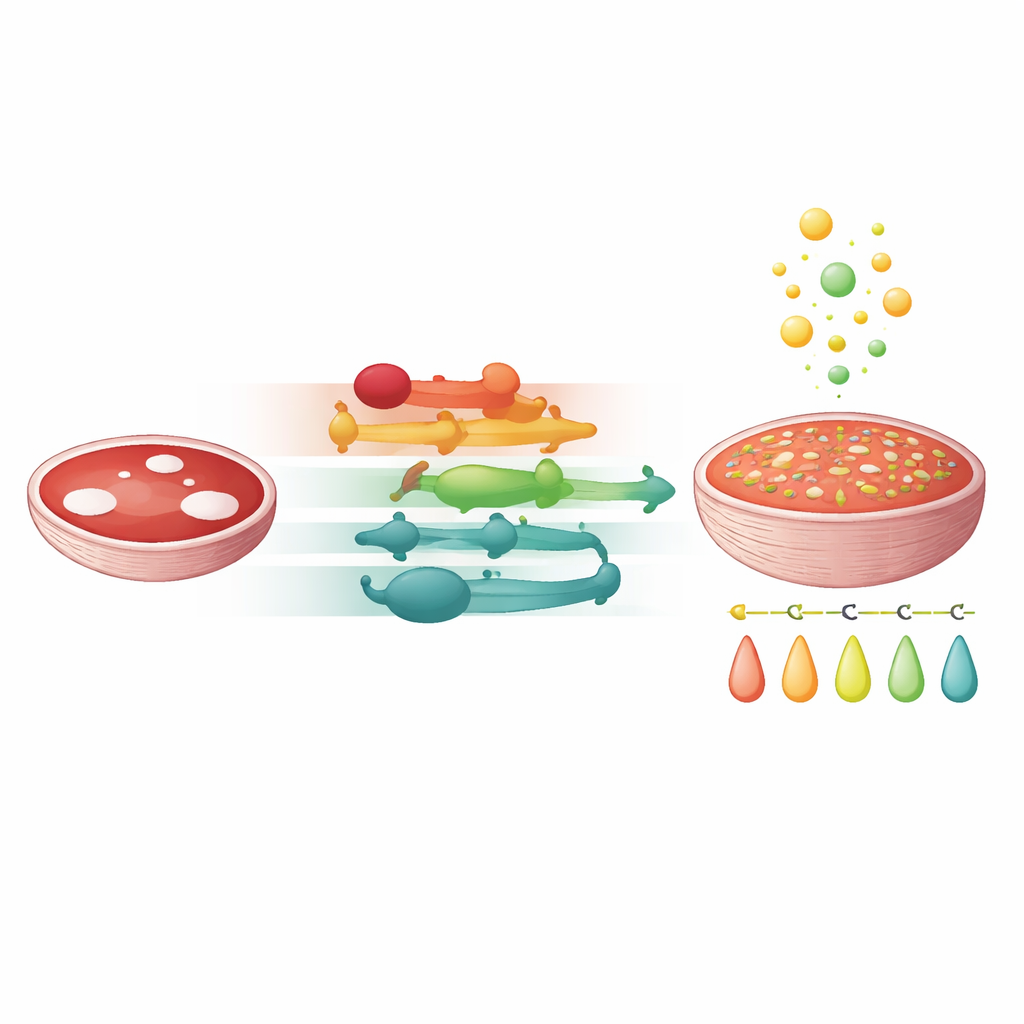
Why This Matters for Farmers, Consumers, and the Environment
In practical terms, the study shows that a single, purified natural compound from crabapple by‑products can upgrade lamb meat on several fronts at once—tenderness, juiciness, color, aroma, and fatty‑acid profile—without harming growth. Because the pigment is sourced from material that is often discarded, it offers a way to turn agricultural waste into added value. For consumers, that could mean mutton that is both more enjoyable to eat and modestly better aligned with heart‑health guidelines. For producers, it points to a targeted, plant‑based feed additive that could support premium meat products. The authors caution that more work is needed to test long‑term safety, economics, and performance in other breeds and species, but the core message is clear: smart use of natural plant molecules can help produce meat that is kinder to the palate, the body, and the planet.
Citation: Yang, H., Cai, J., Yu, J. et al. Cyanidin-3-O-galactoside improves meat quality, flavor and health attributes in small-tailed han lambs. npj Sci Food 10, 91 (2026). https://doi.org/10.1038/s41538-026-00734-6
Keywords: mutton, anthocyanins, meat quality, fatty acids, functional feed additives