Clear Sky Science · en
Plasmidomic landscape of Staphylococcus aureus and the emergence of a CC5 subclade harboring the conjugative plasmid pSK41: implications for food safety and antimicrobial resistance
Why tiny DNA rings matter for our food
Most of us worry about foodborne germs when we hear about undercooked meat or spoiled leftovers. But inside some familiar bacteria lurk tiny rings of DNA called plasmids that quietly help them outsmart antibiotics. This study looks at these DNA rings in Staphylococcus aureus—a common cause of food poisoning and hospital infections—and shows how they are becoming powerful vehicles for drug resistance with direct implications for food safety and public health. 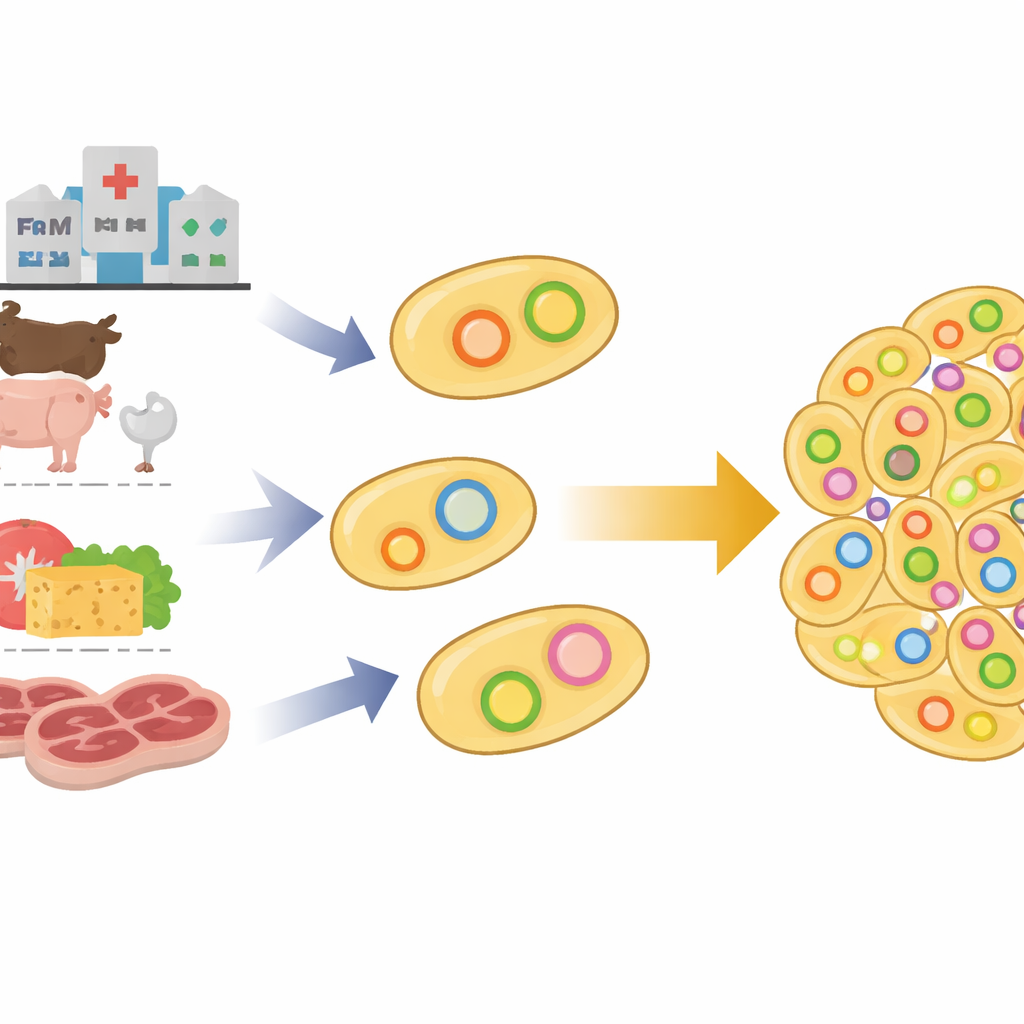
A worldwide look at a familiar germ
The researchers assembled a global collection of 1,395 fully sequenced S. aureus samples from 51 countries, spanning 90 years. Most came from human patients, with a smaller share from animals. By focusing only on complete genomes, they could confidently count how many plasmids each bacterial strain carried and what those plasmids contained. They then compared strains with and without plasmids, tracked changes over time, and linked plasmid patterns to major genetic lineages of the bacterium.
Small DNA rings with a big resistance load
Plasmids turned out to be common: about two-thirds of the strains carried them, usually just one or two per bacterium. Although these DNA rings were generally small to medium in size, they were densely packed with genes that confer resistance to antibiotics and disinfectants. The team found 35 different resistance genes on plasmids, often targeting important drug families such as beta-lactams and macrolides. When the researchers adjusted for size, plasmids carried far more resistance genes per unit of DNA than the main bacterial chromosome did, and the number of plasmid-borne resistance genes has risen sharply over the past 90 years.
A high-risk hospital lineage stands out
Not all S. aureus strains were equal in their plasmid baggage. One hospital-associated lineage, known as clonal complex 5 (CC5), carried the highest average number of plasmids and a concentration of key resistance genes. Within CC5, a particular offshoot called CC5.6 was especially worrisome. Many CC5.6 strains carried a large, self-transferring plasmid related to a type called pSK41. This plasmid can move from one bacterium to another and can also help shuttle additional non-mobile plasmids along with it, effectively bundling multiple resistance traits into a single, highly mobile package. 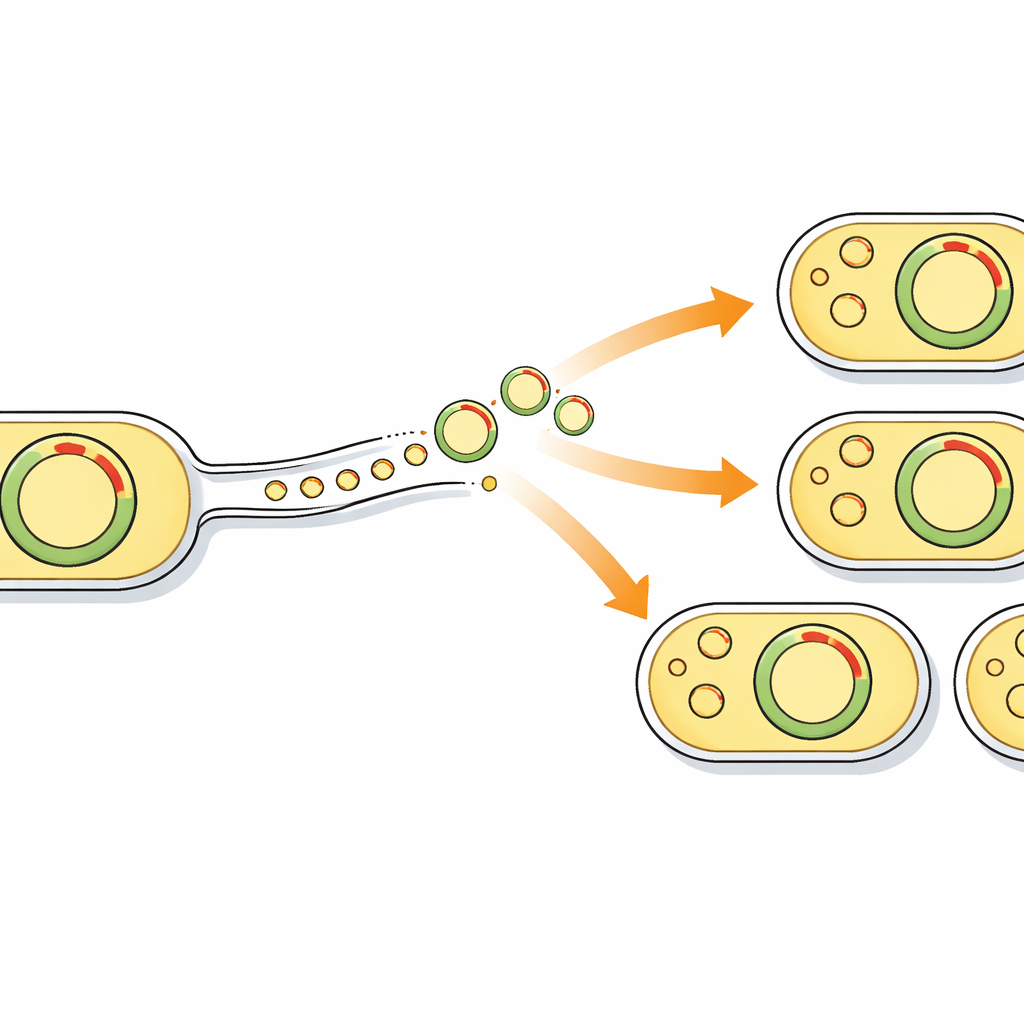
How a new resistant sub-group emerged
By reconstructing the family tree of CC5 bacteria, the study suggests that pSK41-like plasmids were not present in the earliest CC5 strains but were acquired later in several independent events. A major acquisition appears to have happened around 2012 in the United States, followed by the expansion of a CC5.6 sub-group carrying these plasmids. Strains in this sub-group typically harbored more and more varied resistance genes than their relatives, hinting that plasmid-driven evolution is helping them thrive in environments saturated with antibiotics and disinfectants, such as hospitals and, potentially, intensive food-production settings.
What this means for food and health
S. aureus can move between humans, animals, and food, turning farms, slaughterhouses, and kitchens into crossroads for resistant strains. The discovery that a common hospital lineage with a heavy plasmid load is also appearing in animal and food-related environments raises the risk that hard-to-treat bacteria could spread along the food chain. The authors conclude that plasmids are central players in the rise of antibiotic-resistant S. aureus and call for closer monitoring of plasmid-carrying strains in both clinical and food-production settings, as well as strategies that specifically aim to block plasmid transfer or persistence. Understanding and targeting these tiny DNA rings may be crucial to keeping everyday infections treatable and our food supply safer.
Citation: Tian, X., Zhang, Z., Hou, W. et al. Plasmidomic landscape of Staphylococcus aureus and the emergence of a CC5 subclade harboring the conjugative plasmid pSK41: implications for food safety and antimicrobial resistance. npj Sci Food 10, 78 (2026). https://doi.org/10.1038/s41538-026-00733-7
Keywords: Staphylococcus aureus, plasmids, antimicrobial resistance, food safety, MRSA