Clear Sky Science · en
Clinical, social, and economic burdens of schizophrenia in Japan: a targeted literature review
Why This Illness Matters to All of Us
Schizophrenia is often portrayed in movies as rare and extreme, but in reality it affects hundreds of thousands of people in Japan and millions worldwide. This review article looks at how the illness shapes everyday life: not only patients’ health, but also their chances of holding a job, maintaining relationships, and living independently. It also examines how families, the healthcare system, and the wider economy carry hidden costs. Understanding this bigger picture helps explain why mental health policy is not just a medical issue, but a social and economic one as well.
How Common It Is and What Comes With It
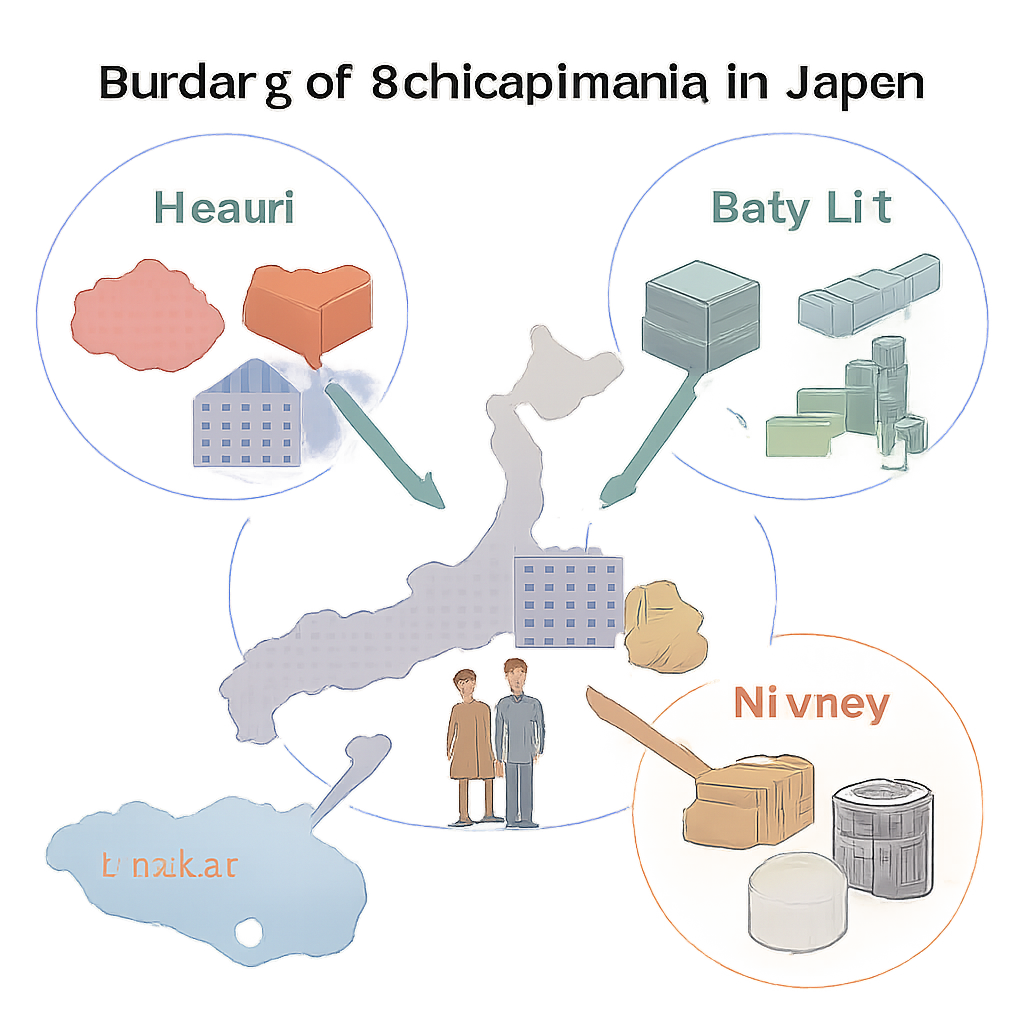
In Japan, about 0.6% of the population lives with schizophrenia, a rate similar to other countries. The review pulled together results from more than 150 scientific papers and over 100 additional reports and conference presentations published in the last decade. These studies show that people with schizophrenia face not only the core symptoms of the illness, such as changes in thinking and perception, but also a heavy load of other health problems. Obesity, high blood pressure, type 2 diabetes, and depression are all more frequent than in the general public. Patients also die younger, often from conditions like pneumonia, cancer, or heart disease. This pattern reflects a long-recognized gap: mental health services and physical healthcare too often operate in separate worlds, leaving people with serious mental illness medically underserved.
Life Inside and Outside the Hospital
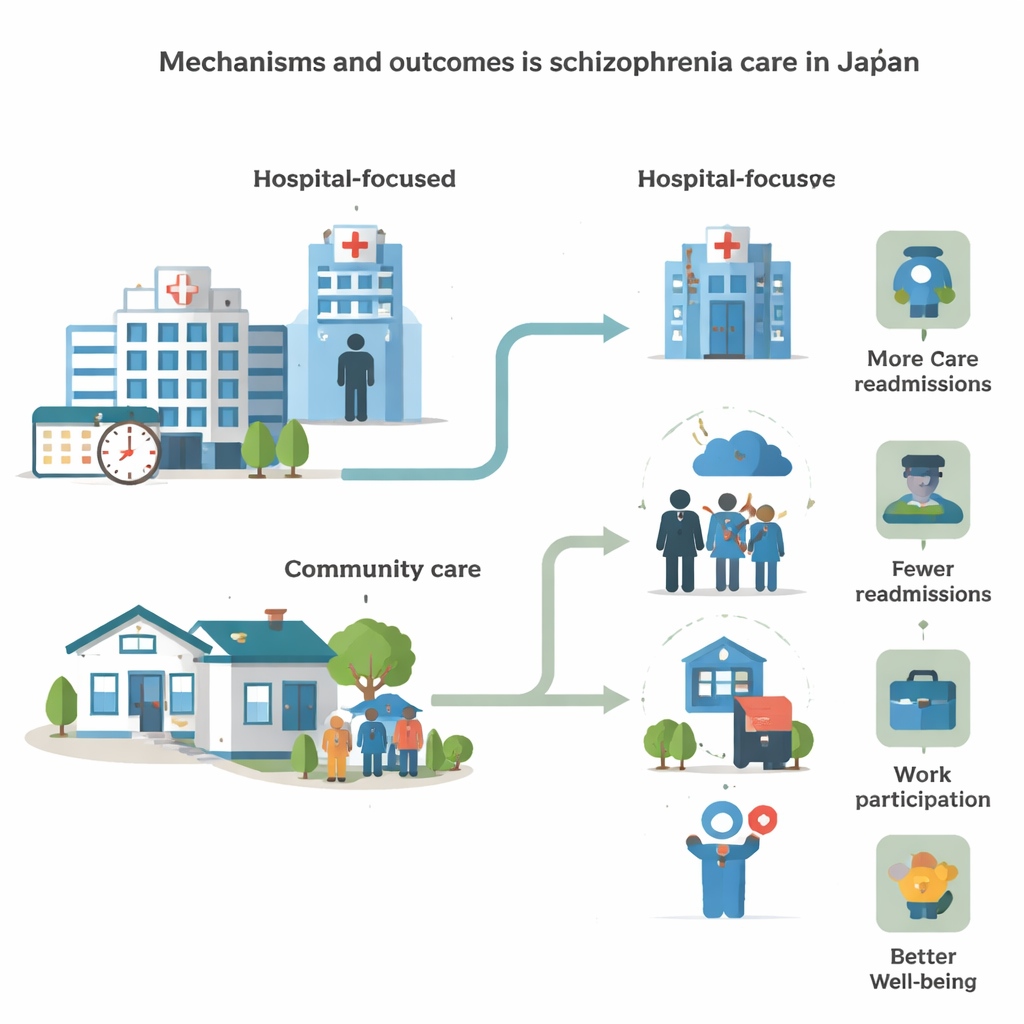
Japan’s universal health insurance covers psychiatric treatment, but care remains heavily centered on hospitals. The review found large numbers of long hospital stays, sometimes stretching over years, and frequent readmissions. While hospitalization can provide safety during crises, long stays are linked with social isolation and difficulty adjusting to life in the community. Many patients struggle with basic daily activities, such as cooking, managing money, or using public transport, and show marked problems with memory, attention, and problem-solving. These cognitive difficulties make it harder to return to work or school. Studies suggest that programs that practice everyday skills, support self-care, and involve local community services can reduce early readmission, but such efforts are not yet routine across the country.
Families Under Pressure
The review gives a rare look at the lives of caregivers—often parents or siblings—who provide unpaid support. They help manage medications, accompany relatives to appointments, and cope with crises such as relapse or suicide attempts. Surveys show that this caretaking role frequently leads to stress, fear about the future, and lost time at work. A detailed economic study found that caregivers’ productivity losses, especially from “presenteeism” (being at work but functioning below capacity), amount to roughly 2.4 million yen per caregiver per year. Families also navigate stigma: patients and relatives report feeling judged or avoided, which can discourage them from seeking help, claiming welfare benefits, or joining community activities that might otherwise support recovery.
The Hidden Price Tag for Society
When the authors added up the financial consequences, they found that schizophrenia costs Japan an estimated 2.8 trillion yen in a single year, most of it from indirect costs such as lost earnings due to unemployment, long hospital stays, and early death. Direct medical spending on hospital and outpatient care is substantial, but still smaller than the losses linked to disrupted working lives. Patients with depression in addition to schizophrenia, and those who experience frequent relapses, fare particularly poorly in both quality of life and work participation. Despite this, the review found few organized efforts specifically aimed at reducing productivity loss, helping people back into employment, or easing the financial strain on families.
What Is Being Done—and What Is Missing
The authors also examined what government bodies, medical societies, and patient organizations are actually doing. Japan’s Ministry of Health, Labour and Welfare is highly active in policy and data collection, and research centers and professional societies issue treatment guidelines and run training programs for psychiatrists. Patient and family groups work to raise awareness and fight stigma, sometimes through media appearances and public events. Yet activities that directly support community living—such as local peer support, employment assistance, housing support, and disaster preparedness for people with mental illness—remain limited. Human experiences like quality of life, personal recovery, and caregiver strain are less studied than hospital use or medication patterns, leaving important questions unanswered.
Bringing It All Together for Better Lives
To a lay reader, the key message of this review is straightforward: schizophrenia in Japan is not only a medical diagnosis, but a long-lasting challenge that touches health, family life, work, and the national budget. The evidence shows that people with this illness face serious physical health risks, lengthy hospital stays, and strong social stigma, while families quietly absorb much of the burden. At the same time, promising approaches—early diagnosis, coordinated medical and social care, support for independent living, and better education about mental health—are beginning to emerge. The authors argue that Japan needs more research and stronger collaboration among patients, caregivers, professionals, and policymakers to turn these ideas into everyday practice. Done well, such efforts could shorten hospital stays, ease pressure on families, reduce economic losses, and, most importantly, allow more people with schizophrenia to lead safer, more satisfying lives in their communities.
Citation: Ono, F., Okamura, M. Clinical, social, and economic burdens of schizophrenia in Japan: a targeted literature review. Schizophr 12, 27 (2026). https://doi.org/10.1038/s41537-025-00716-9
Keywords: schizophrenia, Japan, mental health care, caregiver burden, health economics