Clear Sky Science · en
Age-related differences in patient-reported quality of care among adult German patients with bronchial asthma: a cross-sectional study
Why this study matters for people with asthma
For many people living with asthma, test results at the doctor’s office can look reassuring, yet everyday life still feels limited by breathlessness, worry, or frustrating visits to clinics. This study asked a simple but important question: do adults with asthma of different ages actually feel and experience their care differently? By listening directly to 765 patients across Germany, the researchers explored how young, middle‑aged, and older adults rate their own health, how well their asthma is controlled, and how they experience the healthcare system. Their findings reveal subtle age‑related patterns that routine lung tests alone would miss.
Listening to patients, not just measuring lungs
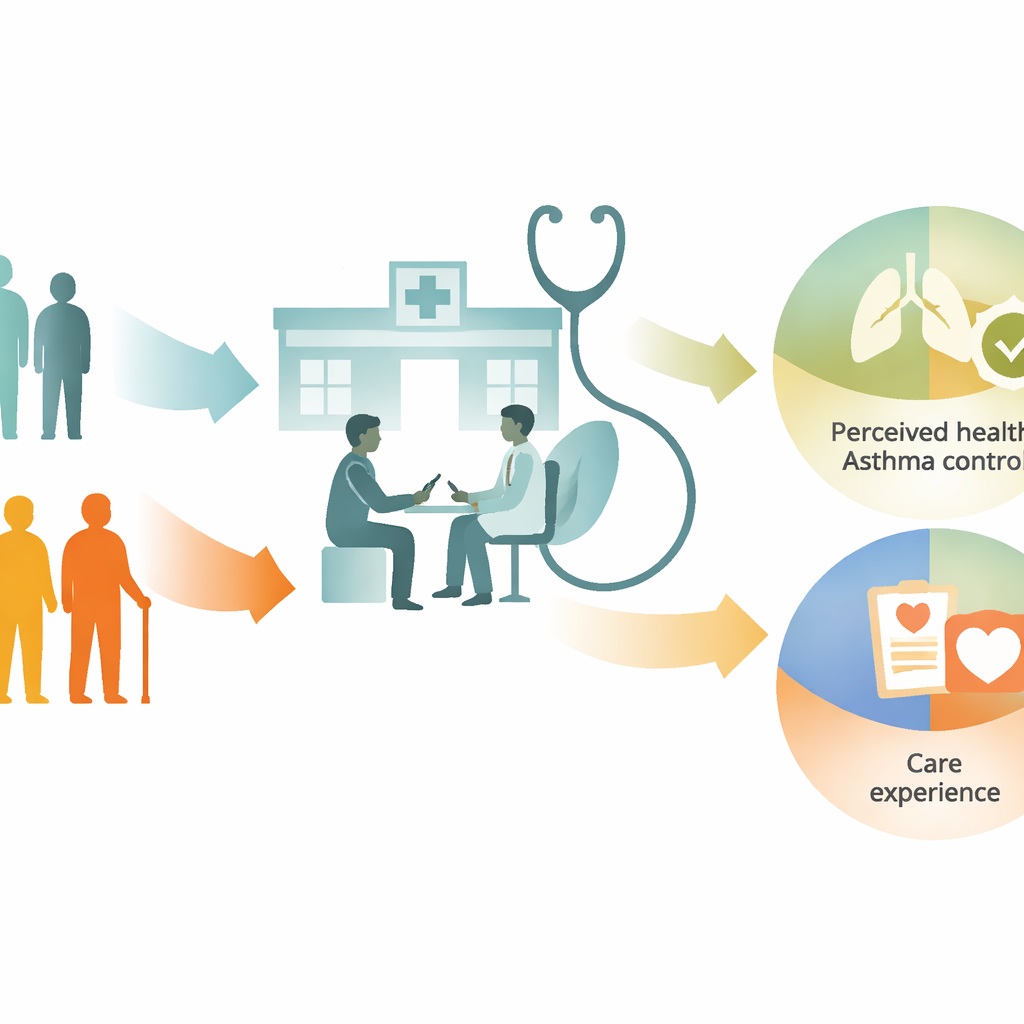
Instead of focusing only on lung function, the researchers used patient questionnaires that capture everyday realities. One tool measured overall health‑related quality of life—how people feel physically and mentally in day‑to‑day living. Another focused on asthma control, such as how often symptoms occur and how disruptive they are. A third set of questions asked about recent doctor visits: How easy was it to get an appointment? How long were the waits? Did patients feel respected and listened to? Adults with asthma were grouped by age (18–44, 45–64, 65–74, and 75 and older) and by gender, then their answers were compared to see where experiences diverged.
What changed with age in everyday health
Contrary to what one might expect, older adults in this study often felt slightly better overall than younger patients. People aged 65–74 reported the best general quality of life, especially women, even though they are at an age when other health problems are more common. The oldest group, 75 and above, had the best scores on detailed asthma‑control questions, suggesting somewhat fewer or less troublesome symptoms. However, when these symptom scores were translated into broad categories—"well controlled" versus "not well" or "very poorly" controlled—differences between age groups shrank. Across all ages, more than 40 percent of patients had well‑controlled asthma, but about half of those under 75 still reported that their asthma was not well controlled or very poorly controlled.
How visits to the doctor feel across the years
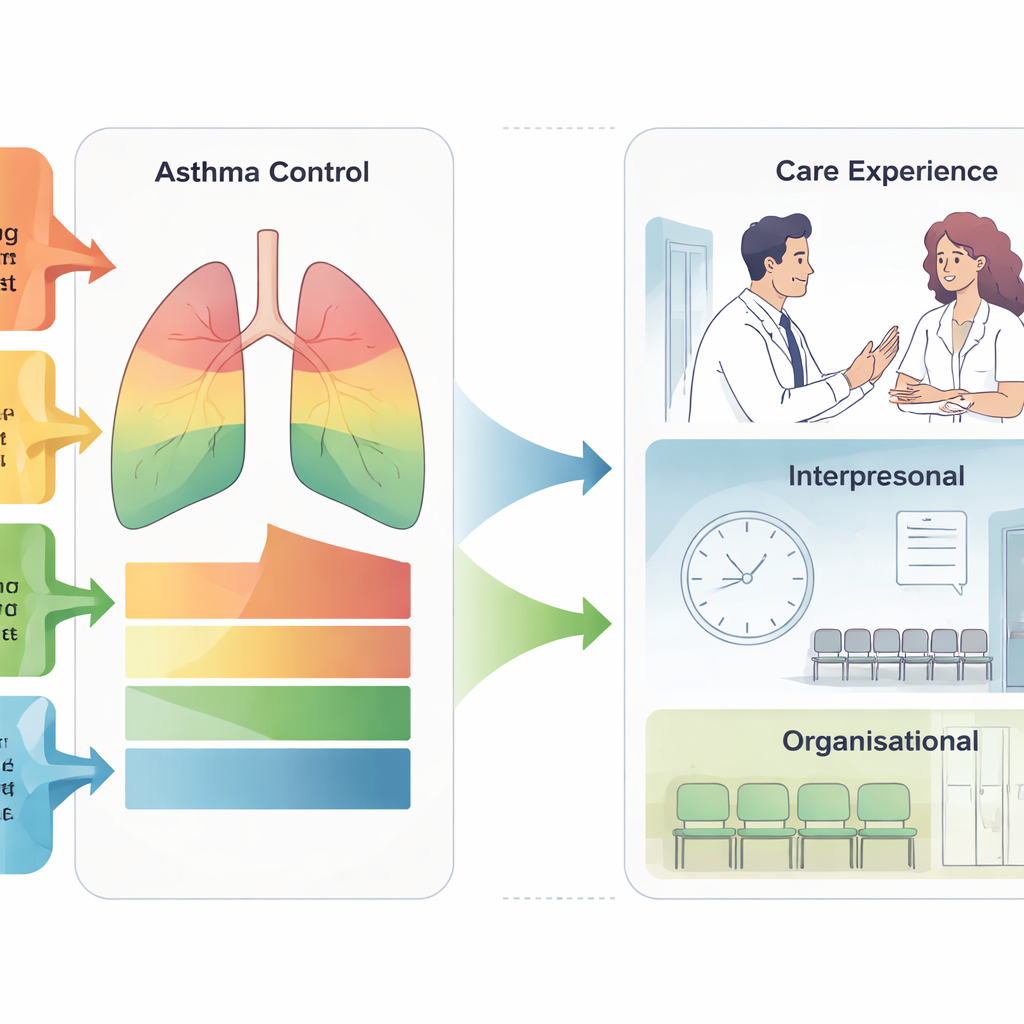
Most patients, regardless of age, described their care experiences positively. They felt that doctors and other staff generally treated them with respect, listened to them, and involved them in decisions. These interpersonal aspects were rated particularly highly, with more than 90 percent in every age group describing them as good or very good. The picture was less rosy when it came to organisational aspects such as waiting times, appointment systems, and choice of providers. Here, middle‑aged adults—especially women aged 45–64—were the most critical. Adults aged 65–74, by contrast, tended to rate these organisational features more favorably, hinting that expectations and daily pressures may differ substantially between age groups.
Hidden struggles in younger and middle‑aged adults
Although the age‑related differences were small, a consistent pattern emerged: younger and middle‑aged adults with asthma, particularly women, reported slightly lower quality of life and less satisfying organisational aspects of care than those in their late 60s and early 70s. Their measured asthma control, however, looked broadly similar. This mismatch suggests a “hidden burden” in younger adults that standard clinical measures may overlook. Competing demands of work and family, higher expectations for flexible and digital services, and the tendency to normalize symptoms may all contribute to feeling less well, even when test results seem acceptable.
What this means for people with asthma and their doctors
The study shows that age shapes how people with asthma experience both their illness and the healthcare system, but not in a simple “older is worse” pattern. Older adults in this digitally engaged German sample often felt as good as or better than younger adults and were largely satisfied with their care. Yet many younger and middle‑aged patients, despite similar clinical control, felt more burdened and less pleased with how care is organised. For patients, this underscores the importance of speaking up about how asthma affects daily life, not just answering questions about attacks or inhaler use. For clinicians and health planners, the findings argue for routinely using patient‑reported questionnaires and tailoring services by age—for example, offering more flexible and supportive care models for working‑age adults—so that quality of care reflects not only numbers on a chart but also the lives people actually lead.
Citation: Wank, A., Fresemann, M., Schöner, L. et al. Age-related differences in patient-reported quality of care among adult German patients with bronchial asthma: a cross-sectional study. npj Prim. Care Respir. Med. 36, 16 (2026). https://doi.org/10.1038/s41533-026-00492-8
Keywords: asthma, quality of life, patient experience, age differences, primary care