Clear Sky Science · en
Single-cell analysis of the peripheral immune landscape in Parkinson’s disease: insights into dendritic cell and CD4+ T-cell transcriptomics
Why the Immune System Matters in Parkinson’s
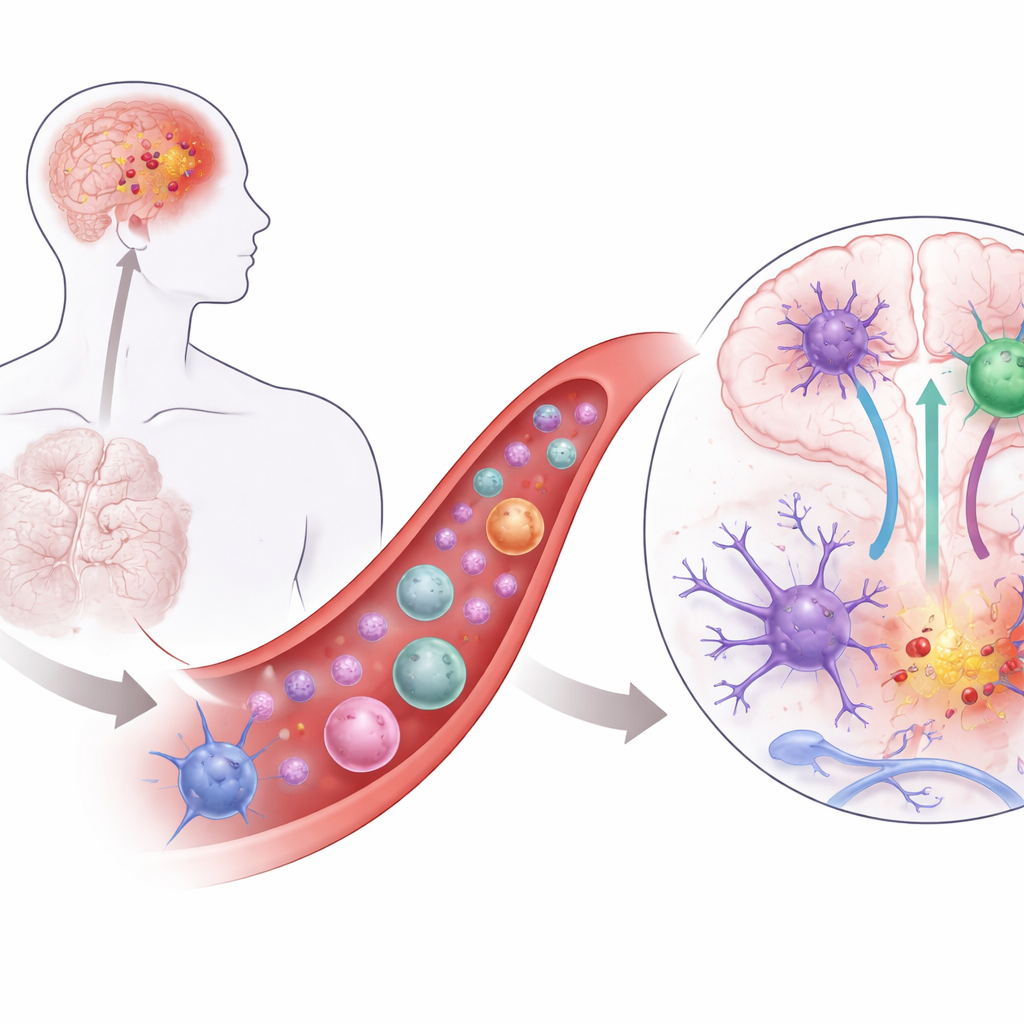
Parkinson’s disease is best known for its tremors and movement problems, but scientists are increasingly discovering that the body’s own immune system may help drive the illness. This study zooms in on individual immune cells in the blood of people with Parkinson’s to see which cells are most active and how they might be fanning the flames of inflammation that harm brain cells. By understanding these immune players one by one, researchers hope to uncover new ways to slow or prevent the disease, beyond treating symptoms alone.
Looking at Single Cells, Not Just the Whole Crowd
Instead of studying mixed samples of blood cells in bulk, the researchers used single-cell RNA sequencing, a technique that reads which genes are switched on in thousands of individual cells at once. They collected blood from 17 people with Parkinson’s and 10 healthy volunteers and used magnetic tools to enrich two key cell types: dendritic cells, which act as sentinels and messengers, and CD4 T cells, which coordinate many immune responses. This approach let them sort cells into fine-grained subgroups and see subtle changes that would be invisible if all the cells were blended together.
Key Immune Players: Memory T Cells and Dendritic Cells
Within the CD4 T-cell population, the team identified four main subtypes, including so-called effector memory T cells. These memory cells are primed to react quickly and can travel to inflamed tissues. In dendritic cells, they found classic subtypes and hints of a rare group called DC3 cells, which share features with both dendritic cells and another immune cell family. Flow cytometry, a separate cell-counting method, showed that people with Parkinson’s had fewer circulating dendritic cells overall, particularly one major branch called myeloid dendritic cells, whereas the total number of CD4 T cells in blood was similar between patients and healthy volunteers.
What the Genes Reveal About Immune Activity
By comparing gene activity between patients and healthy controls, the researchers saw that certain subgroups carried a strong immune signature in Parkinson’s. Effector memory CD4 T cells in patients showed higher activity of genes linked to T-cell activation, growth and differentiation, suggesting these cells are in a more “switched-on” state. A specific dendritic cell group called cDC2 also showed broad changes in genes tied to presenting warning signals, activating T cells and producing immune messengers. Network analyses of the proteins encoded by these genes reinforced the idea that cDC2 dendritic cells specialize in presenting trouble signals, while effector memory T cells are geared toward expanding and responding.
Stronger Cross-Talk Between Immune Cells
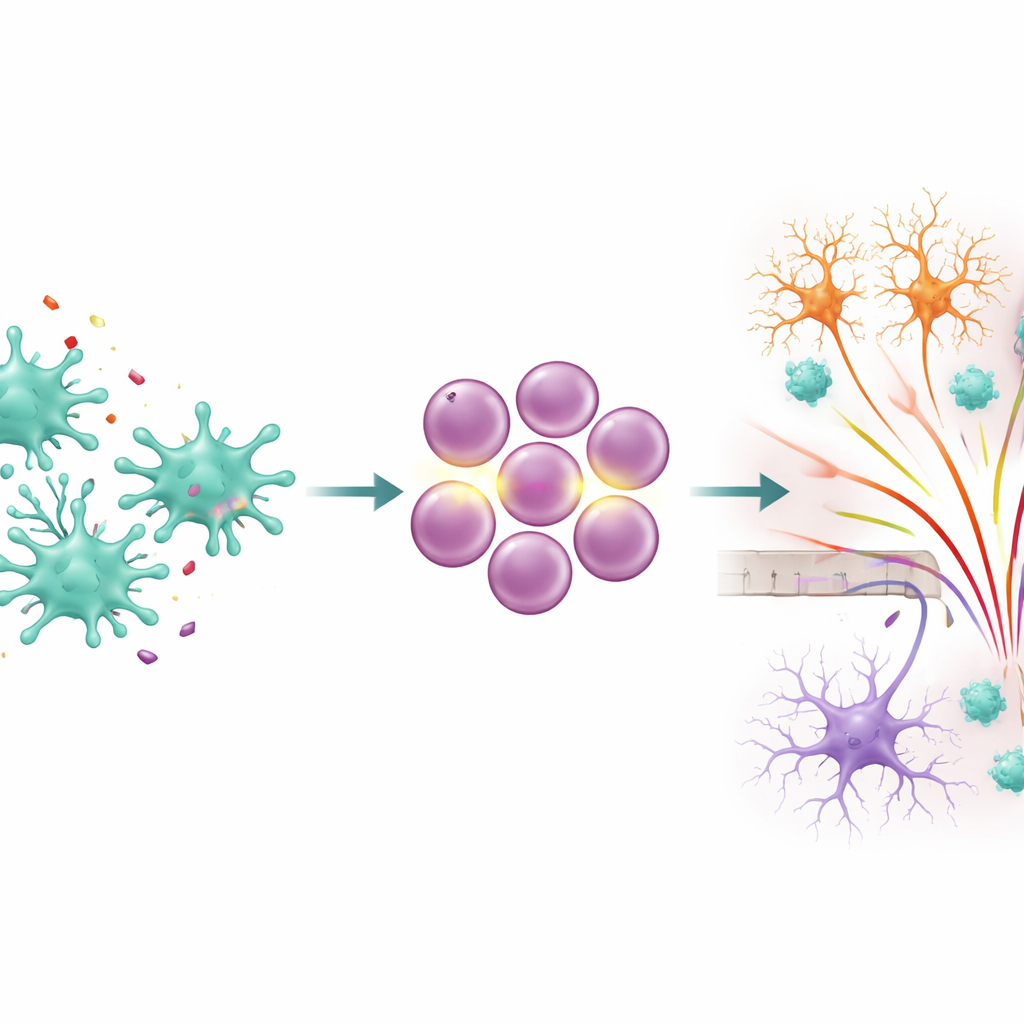
The team then modeled how different immune cell types “talk” to one another by sending and receiving molecular signals. While both patients and healthy volunteers had dense communication networks, several key signaling routes appeared stronger and more interconnected in Parkinson’s. In particular, pathways involved in presenting fragments of proteins to T cells and in cell-to-cell contact were more active between dendritic cells and CD4 T cells in patients. This pattern points to heightened, tightly linked immune activity in the blood of people with Parkinson’s, even though the overall mix of major cell types is not dramatically altered.
What This Means for Future Treatments
Altogether, the findings suggest that it is not just the presence of immune cells, but the behavior of specific subgroups—especially cDC2 dendritic cells and effector memory CD4 T cells—that may help drive the chronic inflammation associated with Parkinson’s disease. These cells appear to be more engaged in sensing danger signals and rallying other immune cells, which may ultimately worsen damage to vulnerable brain regions. By pinpointing these particular cell types and the pathways they use, this work lays the groundwork for future therapies that aim to dial down harmful immune activity without shutting the system off completely. In the long run, carefully targeted immune treatments could join existing drugs to better protect brain cells and slow the course of Parkinson’s.
Citation: Meglaj Bakrač, S., Mandić, K., Cvetko Krajinović, L. et al. Single-cell analysis of the peripheral immune landscape in Parkinson’s disease: insights into dendritic cell and CD4+ T-cell transcriptomics. npj Parkinsons Dis. 12, 73 (2026). https://doi.org/10.1038/s41531-026-01283-1
Keywords: Parkinson’s disease, neuroinflammation, single-cell RNA sequencing, dendritic cells, CD4 T cells