Clear Sky Science · en
Prevalence of HER2-low status and outcomes in early-stage HER2-negative breast cancer
Why this matters for patients and families
Breast cancer labels like “HER2-positive” or “triple-negative” can sound like code words that only doctors understand, yet they strongly influence treatment choices. A newer label, “HER2-low,” has raised hopes because some advanced cancers with this feature respond well to modern targeted drugs. This study asks a practical question for people diagnosed with early-stage breast cancer: does having HER2-low disease, as opposed to no detectable HER2 at all, change how the cancer behaves or how well standard treatments work?
A closer look at a large group of patients
Researchers at a major cancer center reviewed records from 14,593 people with early-stage breast cancer treated between 2006 and 2019. All had tumors that were officially HER2-negative by standard tests, but these tests can still detect low levels of the HER2 protein on some tumors. The team divided cancers into two groups: those with no visible HER2 (called HER2-0) and those with a little HER2 signal (called HER2-low). They then compared who fell into each group, how the cancers looked under the microscope, what treatments patients received, and how they fared over time in terms of cure, recurrence, and survival. 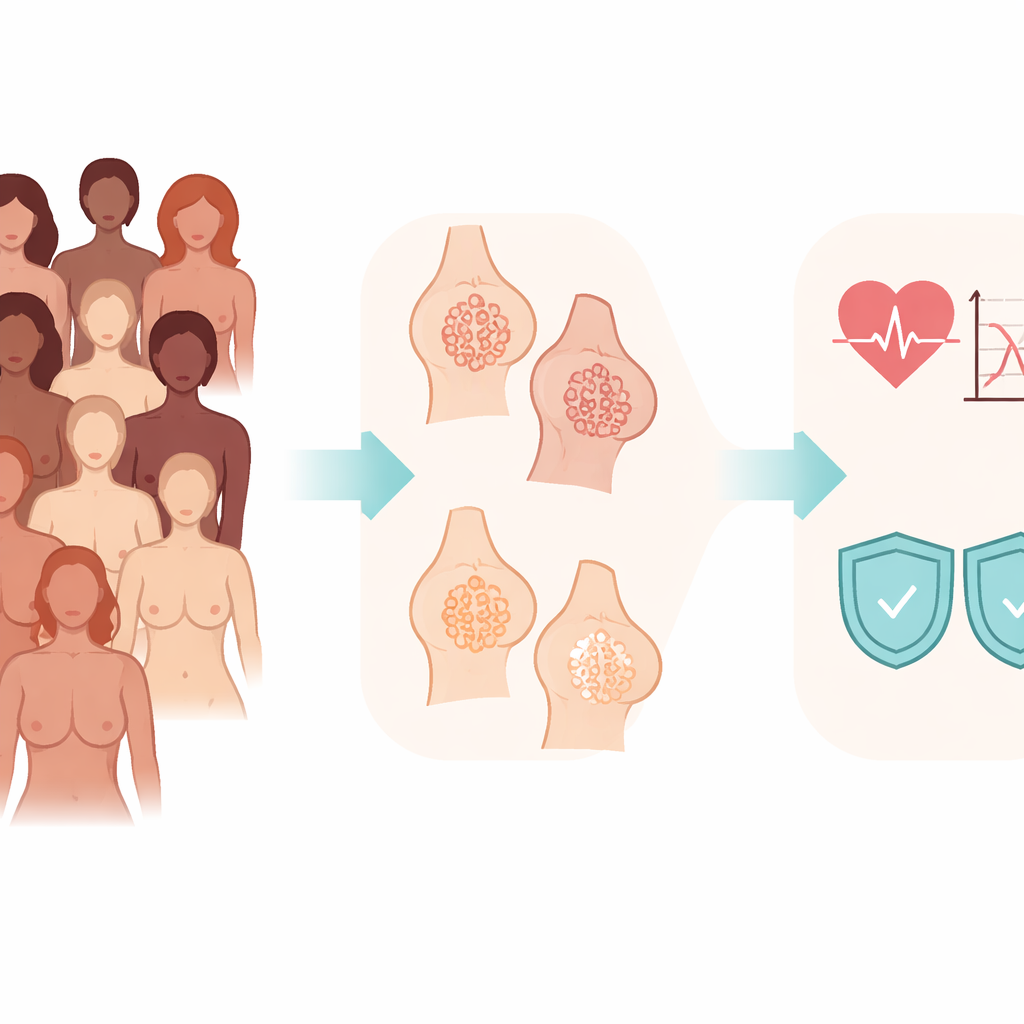
Who tends to have HER2-low tumors?
HER2-low disease turned out to be common: about 60 percent of these early breast cancers fell into this category. HER2-low tumors were more likely to occur in people with invasive ductal cancers (the most typical type), higher tumor grade and stage, and in cancers that carried hormone sensors for estrogen or progesterone. In other words, HER2-low tumors often overlapped with what doctors call “luminal” or hormone-driven breast cancers. People with HER2-low disease were also more often White compared with other racial and ethnic groups, although the reasons for this pattern are not yet clear and may involve both biology and differences in testing or referral.
How well do these cancers respond to chemotherapy?
To see whether small amounts of HER2 changed sensitivity to treatment, the researchers focused on 4,252 patients who received chemotherapy before surgery. They measured how many had no remaining invasive cancer at the time of surgery, a result known as a pathologic complete response. Patients whose cancers disappeared completely after chemotherapy tended to be younger and to have aggressive-looking tumors that lacked hormone sensors, higher grade, and no signs of cancer cells invading blood or lymph vessels. However, when the team accounted for all of these factors together, simply being HER2-low versus HER2-0 did not meaningfully change the odds of a complete response.
What predicts long-term survival?
The team then examined how long patients lived and how long they remained free of cancer returning. Over more than five years of follow-up on average, survival and time without recurrence were largely driven by familiar features: earlier stage at diagnosis, lower tumor grade, absence of cancer in blood and lymph vessels, and higher levels of hormone receptors. Patients who achieved a complete response to pre-surgery chemotherapy did markedly better over the long term. By contrast, there was no clear difference in survival or risk of recurrence between HER2-low and HER2-0 cancers once these other factors were taken into account. 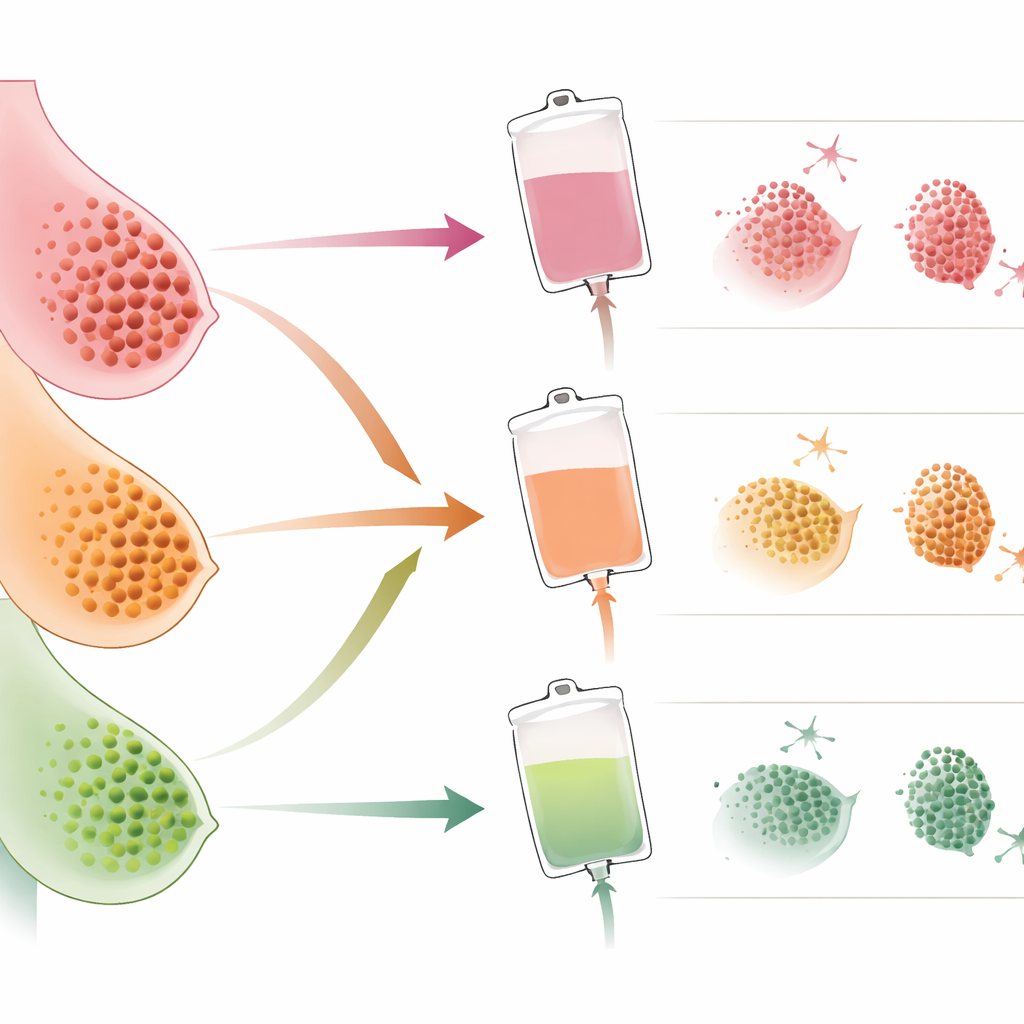
What this means for treatment today
Taken together, the findings suggest that early-stage HER2-low breast cancers behave much like other HER2-negative cancers when patients are treated with today’s standard surgery, chemotherapy, hormone therapy, and radiation. Having a low HER2 signal does not, on its own, make the cancer more or less likely to respond to these treatments or change the overall outlook. Instead, hormone receptor levels, tumor stage, and other well-known features remain the main guides to prognosis. This does not diminish the promise of new drugs that can target HER2-low disease in the metastatic setting; rather, it means that HER2-low is best viewed as a clue to which advanced therapies might work, not as a marker of a more dangerous or more favorable cancer in the early stages.
Citation: Singareeka Raghavendra, A., Liu, D.D., Pasyar, S. et al. Prevalence of HER2-low status and outcomes in early-stage HER2-negative breast cancer. npj Breast Cancer 12, 40 (2026). https://doi.org/10.1038/s41523-026-00901-8
Keywords: HER2-low breast cancer, early-stage breast cancer, hormone receptor status, chemotherapy response, disease-free survival