Clear Sky Science · en
Racial differences in biomarkers, treatment, and outcomes in HR+/HER2- metastatic breast cancer in the United States
Why This Study Matters for People and Families
Breast cancer treatments have improved dramatically, yet not everyone benefits equally. In the United States, Black women with a common form of advanced breast cancer are more likely to die of the disease than White women, even when the cancer type looks the same on paper. This study dug into medical records and genetic test results from thousands of patients to understand how differences in tumor biology, access to modern treatments, and real-world care may be contributing to that gap.
Who Was Studied and What Was Compared
Researchers analyzed data from 2,384 adults across more than 280 cancer clinics nationwide who had hormone receptor–positive, HER2‑negative metastatic breast cancer—a subtype that often responds well to hormonal and targeted therapies. They focused on patients who identified as Black or White and had undergone next-generation sequencing, a detailed genetic test of their tumors. The team compared age at diagnosis, tumor features, sites of spread, socioeconomic background, insurance coverage, genetic changes in the cancer, treatments received, and how long patients lived after their cancer became metastatic.
Differences in Tumor Features and Genetic Markers
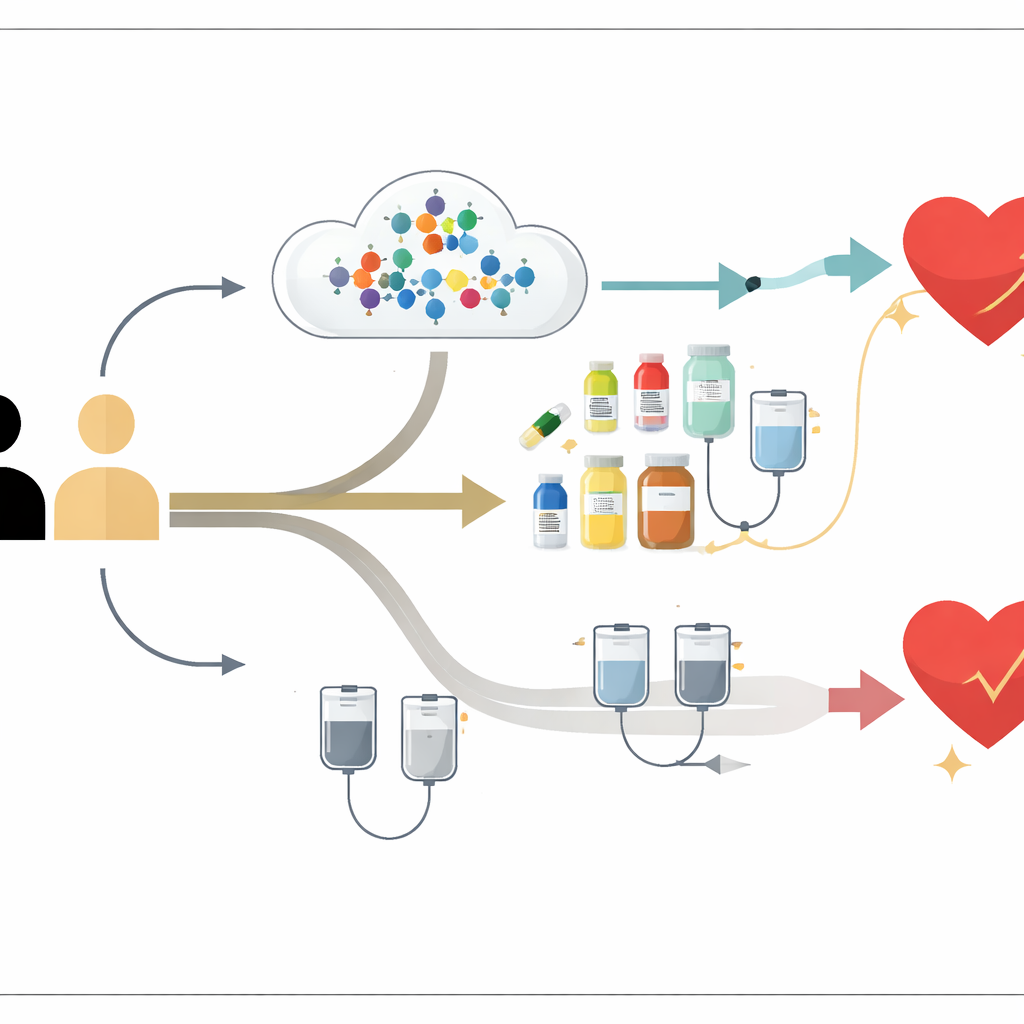
Even before treatment, important differences emerged. Black patients were typically diagnosed with metastatic disease at a younger age and were more likely to have high‑grade tumors, which tend to behave more aggressively. They also had higher rates of cancer spread to the lung and brain, while White patients more often had cancer confined to the bones. When the researchers examined key genetic markers inside the tumors, they found that one mutation, in a gene called PIK3CA that drives cancer growth and can be targeted with specific drugs, was less common in Black patients (about one‑third) than in White patients (a little over two‑fifths). Other major genes examined showed similar rates between the two groups, suggesting that some but not all biological drivers differ by race.
Gaps in the Treatments Patients Actually Received
Modern guidelines recommend that most people with this form of metastatic breast cancer start treatment with a combination of hormone therapy and drugs called CDK4/6 inhibitors, which can slow disease for many months. In this study, nearly all patients started some form of first‑line treatment, but the type of treatment differed by race. Black patients were less likely to receive a CDK4/6 inhibitor and more likely to begin with traditional chemotherapy. These differences remained even after the researchers accounted for factors such as year of diagnosis, where the cancer had spread, insurance type, and neighborhood-level socioeconomic status. Later in the course of illness, when there is less consensus on the “right” second‑line treatment, racial gaps in the use of these drugs were smaller, and use of a newer class of medicines that target PIK3CA mutations was similar between Black and White patients who carried that mutation.
Real-World Outcomes and What They Suggest
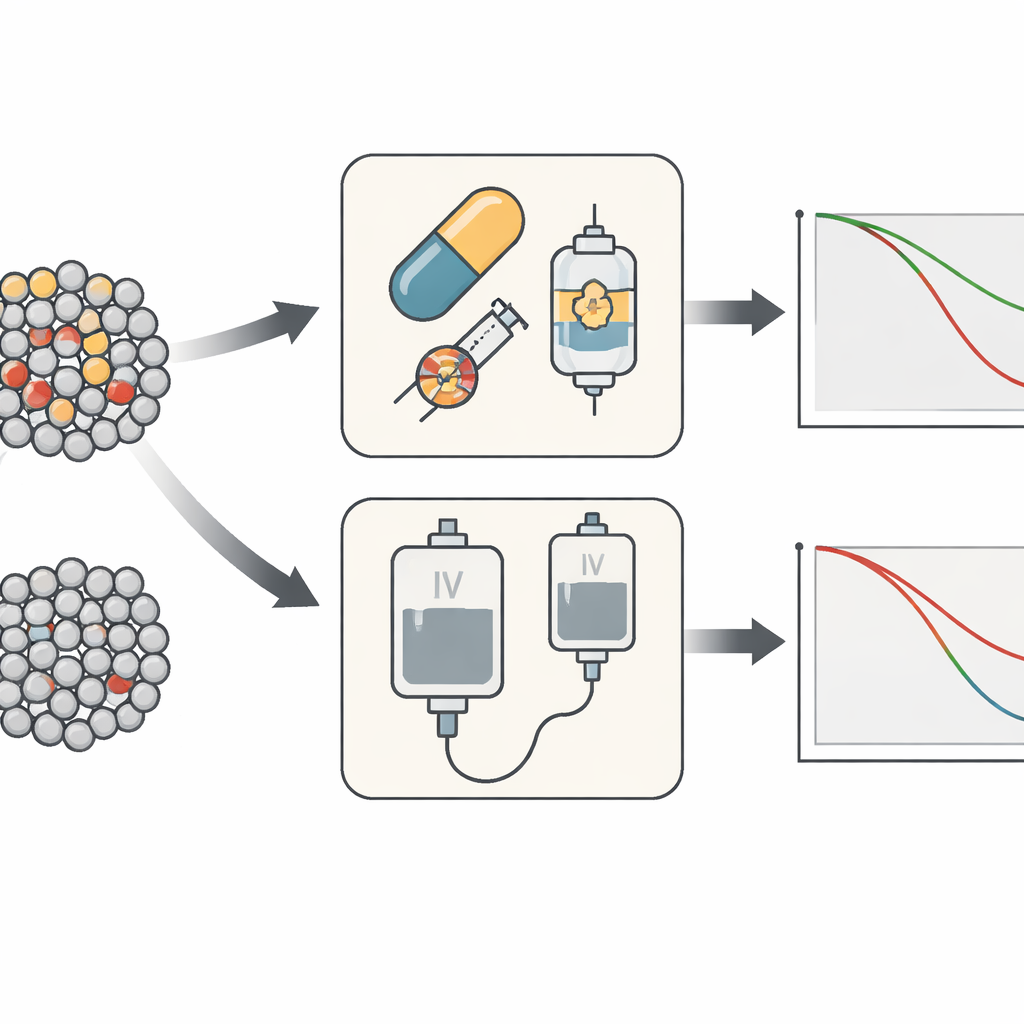
Outcomes told a sobering story. On average, Black patients lived a shorter time after their cancer became metastatic than White patients (about 34 versus 42 months) and had shorter periods before their disease worsened or their first treatment had to be changed. These differences in survival persisted even when the researchers adjusted for tumor characteristics, treatment types, socioeconomic status, and insurance coverage. However, when patients of both races did receive CDK4/6 inhibitors as part of their first treatment, they had similarly improved survival, underscoring the power of equal access to effective therapies. The study also found that patients treated in community clinics—where most care occurs—had worse survival than those treated at academic centers, regardless of race.
What This Means for Patients and Communities
This work shows that racial gaps in advanced breast cancer outcomes do not come from a single cause. There are differences in the cancers themselves, in how often certain modern drugs are used, and likely in broader social and healthcare barriers that are harder to measure, such as financial strain, transportation, and trust in the medical system. Still, the message is clear for patients, families, and clinicians: when Black and White patients receive similarly advanced treatments, their outcomes can look more alike. Closing the survival gap will require earlier and more inclusive screening, consistent use of recommended therapies like CDK4/6 inhibitors when appropriate, widespread access to high‑quality genetic testing, and deliberate efforts to remove the social and systemic obstacles that keep many people from getting the best possible care.
Citation: Farrokhi, P., Park, L., Schmutz, W. et al. Racial differences in biomarkers, treatment, and outcomes in HR+/HER2- metastatic breast cancer in the United States. npj Breast Cancer 12, 42 (2026). https://doi.org/10.1038/s41523-026-00891-7
Keywords: metastatic breast cancer, health disparities, cancer biomarkers, targeted therapy, racial equity in healthcare