Clear Sky Science · en
Dysbiosis of oral and gut microbiomes characterized by elevated Lactococcus in a mouse model of oral squamous cell carcinoma
Germs in the Mouth and the Risk of Oral Cancer
Oral cancer often brings to mind cigarettes and alcohol, but tiny residents of the mouth and gut may also shape who gets sick and how the disease unfolds. This study in mice looked closely at how the communities of microbes living on the tongue and in the intestines change as oral cancer develops. The surprising takeaway: some bacteria that bloom during disease, particularly a group called Lactococcus, may actually help the body fight back rather than make things worse. 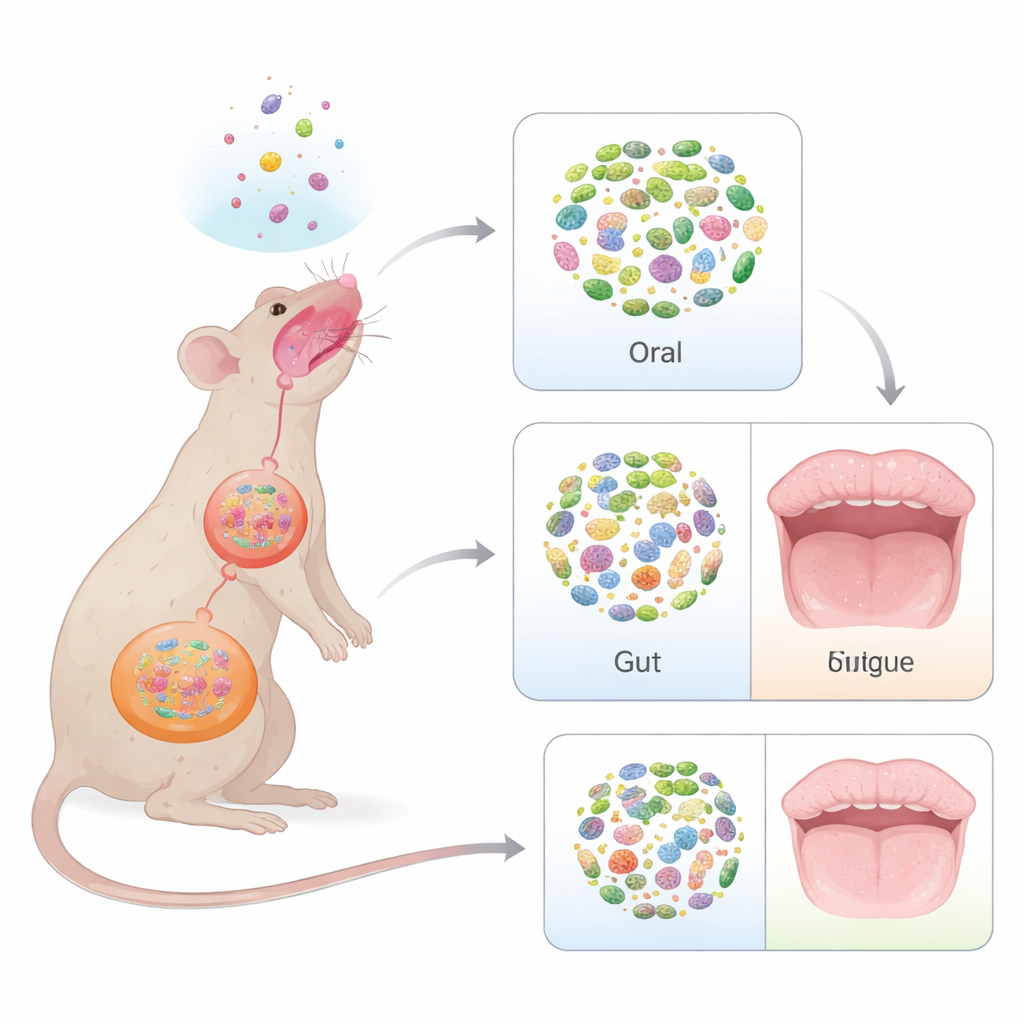
Tracking Cancer in a Mouse Model
To mimic human oral cancer, researchers gave mice drinking water containing a chemical carcinogen known as 4-NQO for 16 weeks, then regular water for six more weeks. Some mice ate a high-fat diet and others a low-fat diet so the team could see whether food changed cancer risk through the microbiome. Over time, the animals developed tongue damage that progressed toward tumors, closely resembling early stages of human oral squamous cell carcinoma. Body weight, food intake, and detailed tissue examinations confirmed that 4-NQO drove disease, while the type of diet had little effect on how severe the cancer became.
Shifts in Mouth and Gut Microbes
The scientists repeatedly sampled saliva and feces to track both oral and gut microbes using DNA sequencing. The carcinogen caused a clear reshaping of the mouth’s microbial community: overall diversity dropped, and certain groups became far more common. One genus, Lactococcus, surged dramatically in the oral cavity during weeks 12 to 16 of exposure, then declined after the chemical was removed. In contrast, diet mainly altered the gut microbes and did not strongly change cancer outcomes. Absolute counting of bacterial genes showed that the total number of bacteria in the mouth rose after treatment stopped, and Lactococcus remained unusually abundant, indicating not just a relative shift but a true expansion in numbers.
A Closer Look at Lactococcus
Because Lactococcus increased so strikingly, the team isolated specific strains from the mouths of 4-NQO–treated mice and identified them as close relatives of a species recently named Lactococcus muris. They then tested what these strains actually do in the context of cancer. Mice were given the bacteria by mouth throughout carcinogen exposure, or instead received another lactic acid–producing bacterium, lactic acid alone, or a broad-spectrum antibiotic cocktail that wiped out many oral microbes. Tumor size and microscopic damage at the end of the experiment changed only modestly with Lactococcus treatment, but inflammatory gene activity in tongue tissue tended to be slightly lower than in control animals, hinting at a mild calming effect on inflammation. 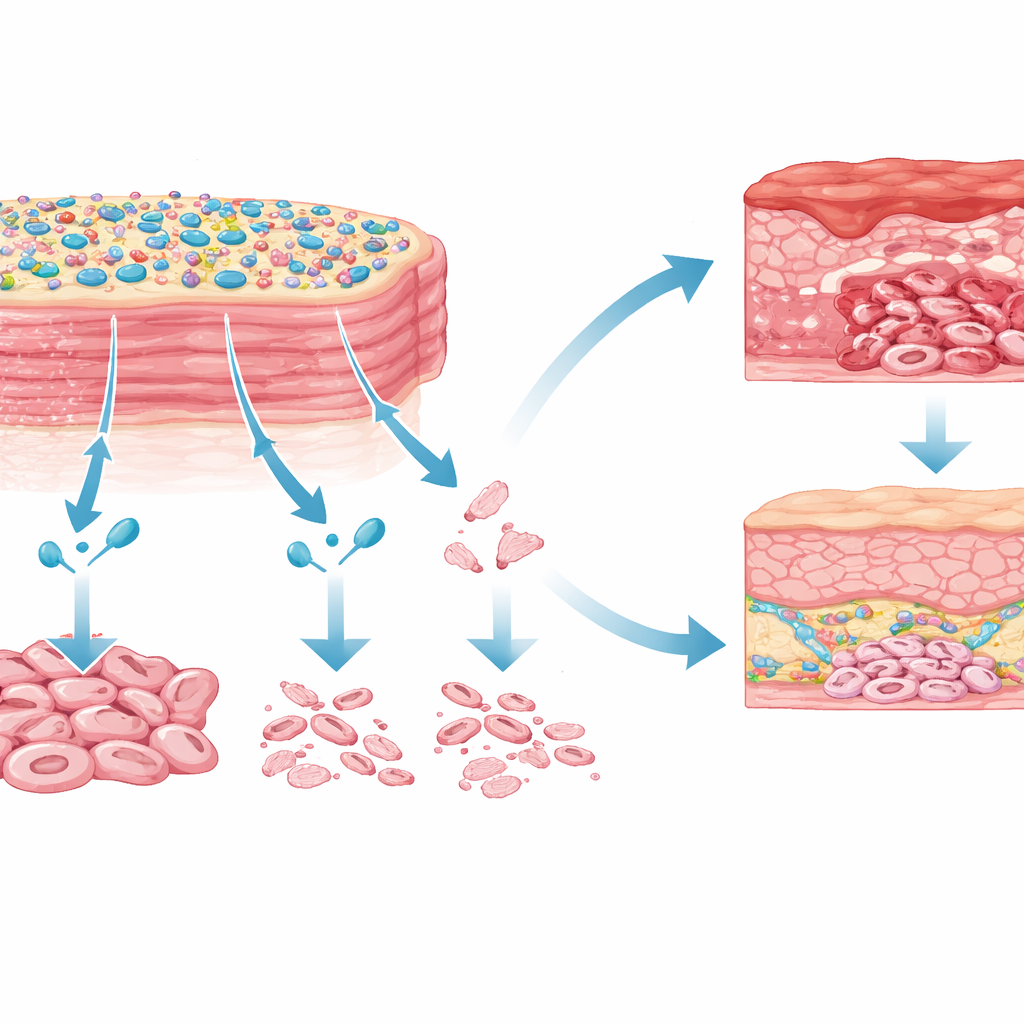
Bacterial Products That Harm Cancer Cells
To get around the problem that added bacteria did not stably colonize the mouth, the researchers moved to cell culture. They broke open Lactococcus cells to make bacterial lysates and applied these mixtures to mouse oral cancer cells grown in dishes. The cancer cells’ survival dropped in a dose-dependent manner: more lysate meant fewer living cancer cells. When the lysates were pretreated with an enzyme that digests proteins, this killing effect was clearly reduced. That pattern suggests that protein molecules produced by Lactococcus play a major role in damaging or slowing cancer cells.
What This Means for Future Therapies
Taken together, the work paints an unexpected picture. The carcinogen 4-NQO disrupts the balance of microbes in the mouth and gut, but one of the biggest “winners,” Lactococcus, does not simply fuel cancer. Instead, these bacteria may soften inflammation and release protein factors that directly weaken tumor cells. The study does not claim that Lactococcus alone can prevent oral cancer, and more research is needed to pinpoint the helpful molecules and test them in other models. Still, it supports a broader idea: in some cancers, the body’s own shifting microbiome may mount a quiet defense, and learning to harness these protective microbes or their products could open new, microbiome-based strategies to support oral cancer treatment.
Citation: Tak, E.J., Goo, BJ., Lee, JY. et al. Dysbiosis of oral and gut microbiomes characterized by elevated Lactococcus in a mouse model of oral squamous cell carcinoma. npj Biofilms Microbiomes 12, 68 (2026). https://doi.org/10.1038/s41522-026-00934-8
Keywords: oral cancer, microbiome, Lactococcus, mouse model, bacterial therapy