Clear Sky Science · en
Simiao Decoction alleviates hyperuricemia-induced renal injury through regulating gut dysbiosis and decreasing gut-derived uremic toxins
Ancient remedy for a modern kidney problem
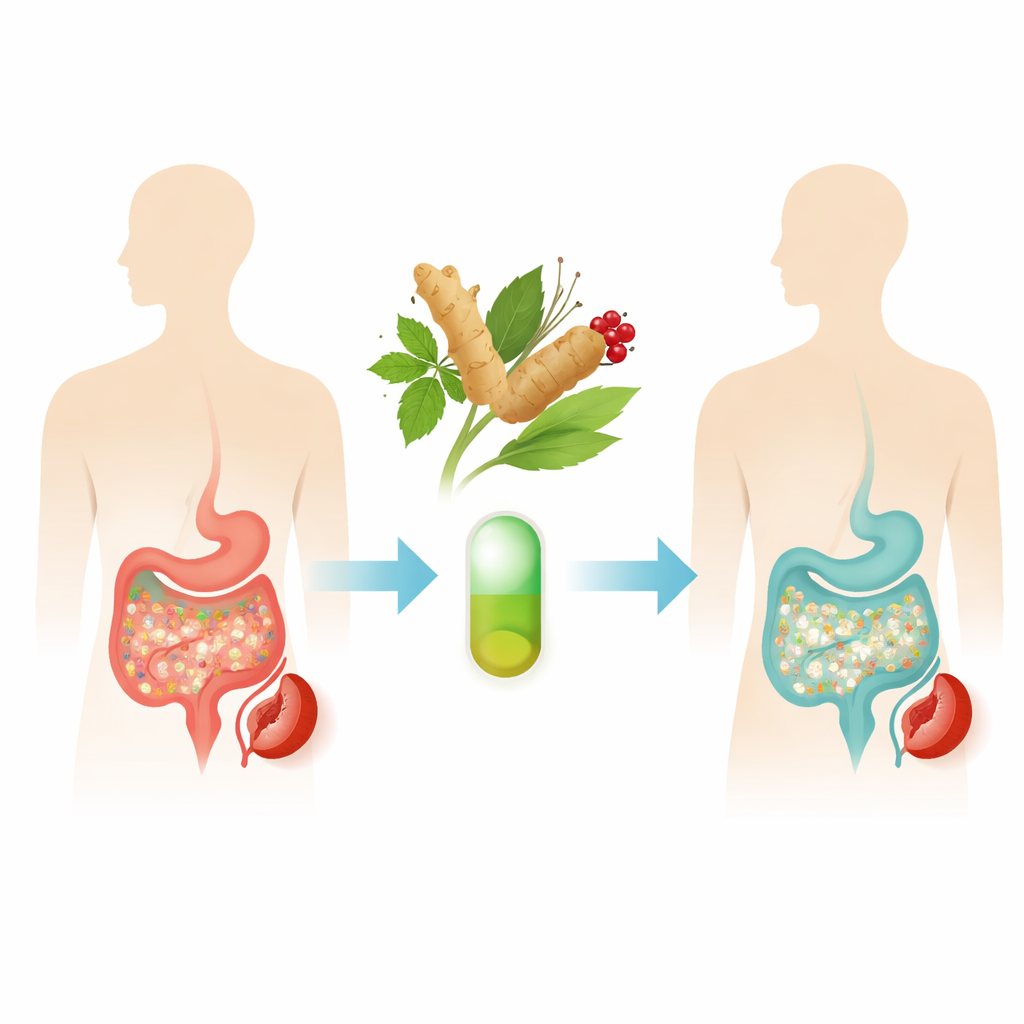
High uric acid in the blood, the culprit behind gout, is also quietly damaging kidneys in millions of people worldwide. Standard drugs can lower uric acid but sometimes hurt the kidneys or cause serious side effects. This study explores a classic Chinese herbal mixture called Simiao Decoction as a gentler option, asking a modern question with modern tools: can this traditional formula protect kidneys by working through the gut and its microbes?
Too much uric acid, too much kidney stress
To mimic the human tendency to develop high uric acid, the researchers used rats lacking the enzyme that normally breaks uric acid down. These animals naturally developed long‑lasting hyperuricemia and clear signs of kidney trouble: high blood markers of poor kidney function, protein leaking into urine, and visible structural damage in kidney tissue. When the rats were given Simiao Decoction in their drinking water for eight weeks, uric acid levels fell and kidney function improved. The drug allopurinol, a current standard treatment, also lowered uric acid but unexpectedly worsened some measures of kidney injury, highlighting the need for safer approaches.
Soothing scarred and inflamed kidneys
Chronic kidney damage often ends in scarring, where normal tissue is replaced by stiff fibrous material. In the hyperuricemic rats, the kidneys were packed with excess collagen and showed a shift of tubular cells toward a more mobile, scar‑forming state. Simiao Decoction reversed many of these changes: it reduced collagen buildup and restored a more normal balance of proteins that mark healthy, stationary cells versus those involved in fibrotic remodeling. At the same time, the kidneys of untreated animals were inflamed and filled with immune cells, producing high levels of inflammatory molecules. Treatment with the herbal formula calmed this inflammation and reduced signs of cellular aging and death in the kidney tubules.
Repairing the gut wall and rebalancing microbes
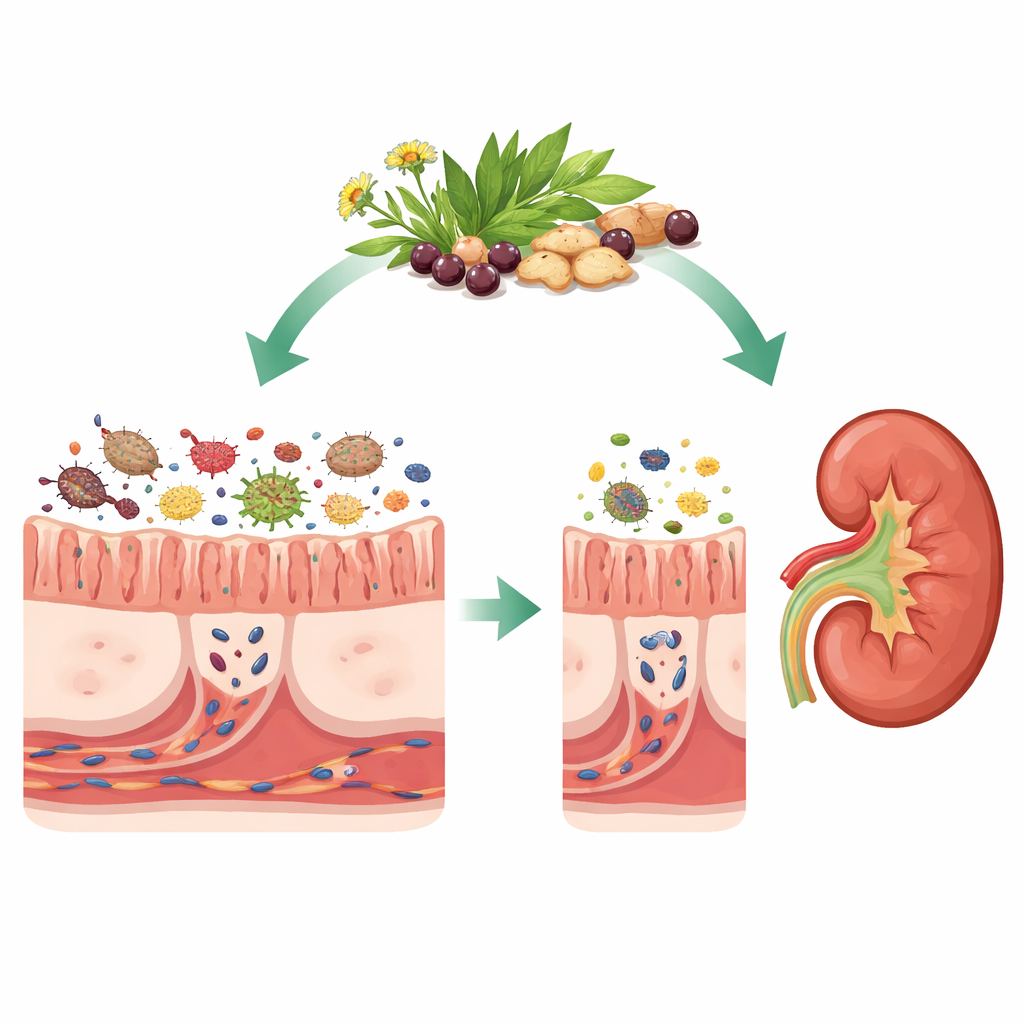
The team then looked upstream, to the intestine. High uric acid rats had a damaged gut barrier: a thinner mucus layer, disturbed microscopic structure, and fewer of the proteins that seal neighboring cells together. Simiao Decoction thickened the mucus layer, restored the fine architecture of the colon, and boosted these sealing proteins, suggesting fewer unwanted substances could leak into the bloodstream. DNA sequencing showed that the overall diversity of gut microbes stayed similar, but their composition shifted. Potentially helpful species increased, while microbes linked to disease, including some strains of Escherichia coli, declined. Many of the “good” bacteria that rose with treatment are known from other studies to support metabolic health and immune balance.
Cutting toxic signals from gut to kidney
Microbes in the gut break down dietary components such as tryptophan and tyrosine into small molecules that can travel through the body. Some of these breakdown products, once further processed by the host, become uremic toxins that harm kidneys. Using advanced chemical profiling, the researchers found that Simiao Decoction shifted microbial metabolism, especially by dampening pathways that create indole and other precursors of toxic compounds. In kidney tissue itself, levels of two notorious gut‑derived toxins—indoxyl sulfate and p‑cresol—were markedly lower after treatment, and these toxins closely tracked with how badly the kidneys were performing. When gut bacteria from treated rats were transferred into microbiota‑depleted mice, these recipient animals were more resistant to an induced bout of acute kidney injury and had lower levels of the same toxins, proving that the altered microbes carried much of the benefit.
How toxic molecules injure kidney cells
To see exactly what those toxins do, the scientists exposed kidney tubular cells grown in dishes to purified indoxyl sulfate and p‑cresol. Indoxyl sulfate made the cells more mobile and invasive—behavior associated with the early stages of scarring—by pushing them toward a more flexible, fibrotic‑prone state. p‑Cresol, in contrast, directly impaired cell survival: it reduced cell growth, triggered hallmarks of premature aging, and increased programmed cell death. These laboratory findings dovetail with the animal data, suggesting that lowering these gut‑derived toxins can simultaneously slow scarring, inflammation, and the loss of vital kidney cells.
A gut‑focused path to protect the kidneys
In everyday terms, this work shows that Simiao Decoction helps injured kidneys not only by lowering uric acid, but also by “cleaning up the message” coming from the gut. By strengthening the intestinal wall, encouraging more friendly microbes, and reducing the production of harmful chemicals that circulate to the kidney, the herbal formula eased scarring, inflammation, and cell aging in a demanding animal model of high uric acid. While more studies in humans are needed, the findings support the idea that treating gout‑related kidney disease may work best when we treat the gut and kidneys together, rather than focusing on uric acid alone.
Citation: Zhou, X., Liu, X., Peng, B. et al. Simiao Decoction alleviates hyperuricemia-induced renal injury through regulating gut dysbiosis and decreasing gut-derived uremic toxins. npj Biofilms Microbiomes 12, 58 (2026). https://doi.org/10.1038/s41522-026-00923-x
Keywords: hyperuricemia, chronic kidney disease, gut microbiota, traditional Chinese medicine, uremic toxins