Clear Sky Science · en
Harnessing gut microbiota for brain health: protective role of Hungatella hathewayi for post-mTBI cognitive impairment
When a Bump on the Head Talks to the Gut
Mild concussions are common, yet many people are surprised to learn that weeks or months later they may struggle with memory, focus, or mental speed. This study explores an unexpected ally in protecting the brain after a mild traumatic brain injury: gut bacteria. By tracking patients and running careful experiments in rats and cells, the researchers highlight one particular microbe that seems to help shield thinking and memory after a head injury.
Why Mild Head Injuries Can Have Lasting Effects
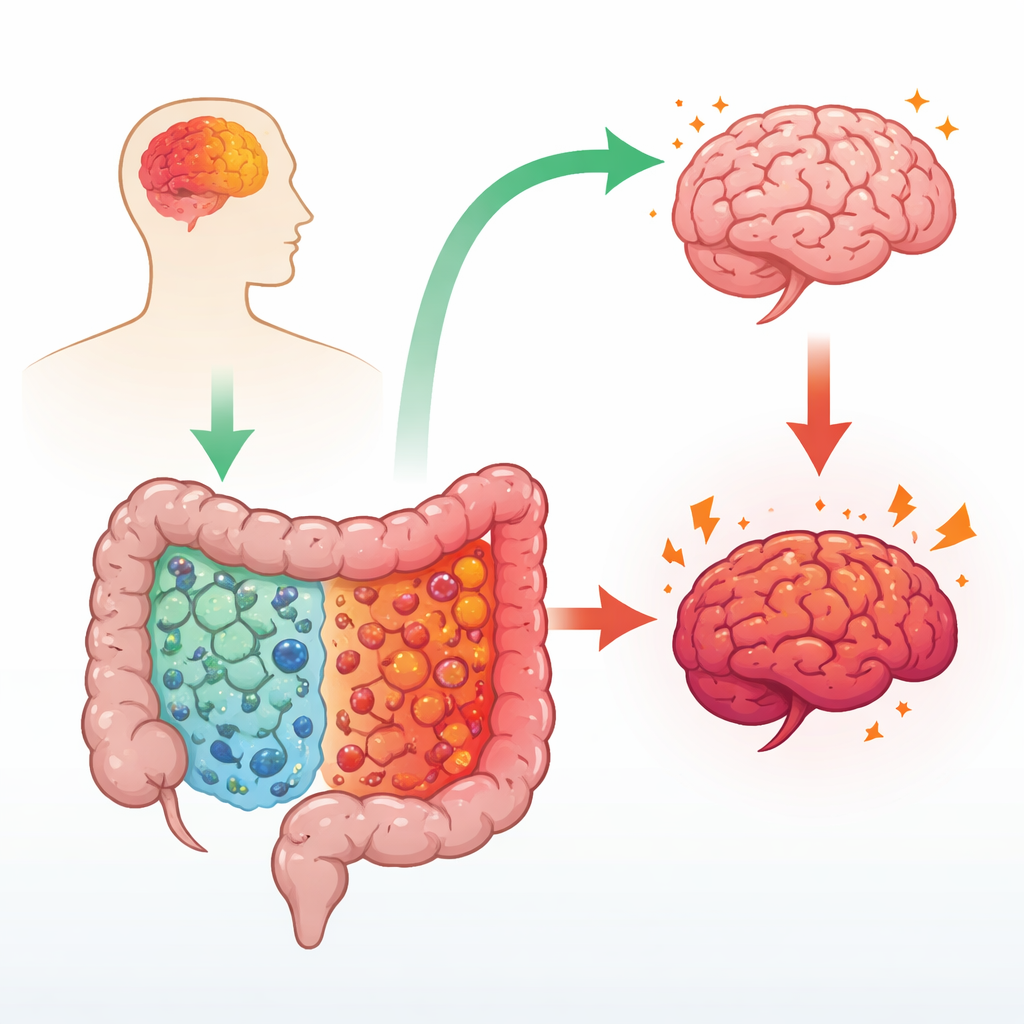
Mild traumatic brain injury, often called mTBI, happens in falls, traffic accidents, and sports. Even though the injury is labeled “mild,” more than half of affected people can develop cognitive problems, including poor memory, attention difficulties, and slower thinking. Current treatments do little to prevent this decline because the underlying biology is still being untangled. One emerging idea is that the gut and brain constantly send signals to each other. When the brain is hurt, this “gut–brain axis” can be thrown off balance, possibly changing gut microbes in ways that fuel body-wide and brain inflammation.
A Helpful Bacterium Stands Out
The team followed 129 people who had just experienced an mTBI. On the day of injury and again five days later, they assessed thinking skills and analyzed stool samples to see which microbes were present. People who went on to show clear cognitive impairment had lost several beneficial bacteria, especially a species called Hungatella hathewayi, known for producing short-chain fatty acids such as butyrate that help keep the gut lining healthy and less inflamed. In contrast, patients who avoided cognitive problems showed a rise in Hungatella hathewayi and other friendly microbes, along with a drop in potential troublemakers linked to inflammation. This pattern suggested that higher levels of this bacterium might protect the brain after injury.
Testing the Gut–Brain Link in Animals
To move beyond correlation, the researchers turned to rats with experimentally induced mild brain injury. After injury, the animals naturally showed a drop in Hungatella hathewayi in their feces and developed learning and memory problems in maze and object-recognition tests. When the scientists increased Hungatella hathewayi levels through microbiota transplantation, the rats’ gut communities shifted: helpful bacteria rebounded and potentially harmful ones declined. Behaviorally, these rats learned mazes faster, spent more time searching where the hidden platform had been, and recognized new objects better than untreated injured rats. Standard blood and neurological tests also indicated less overall brain damage.
How Gut Changes Calm the Brain
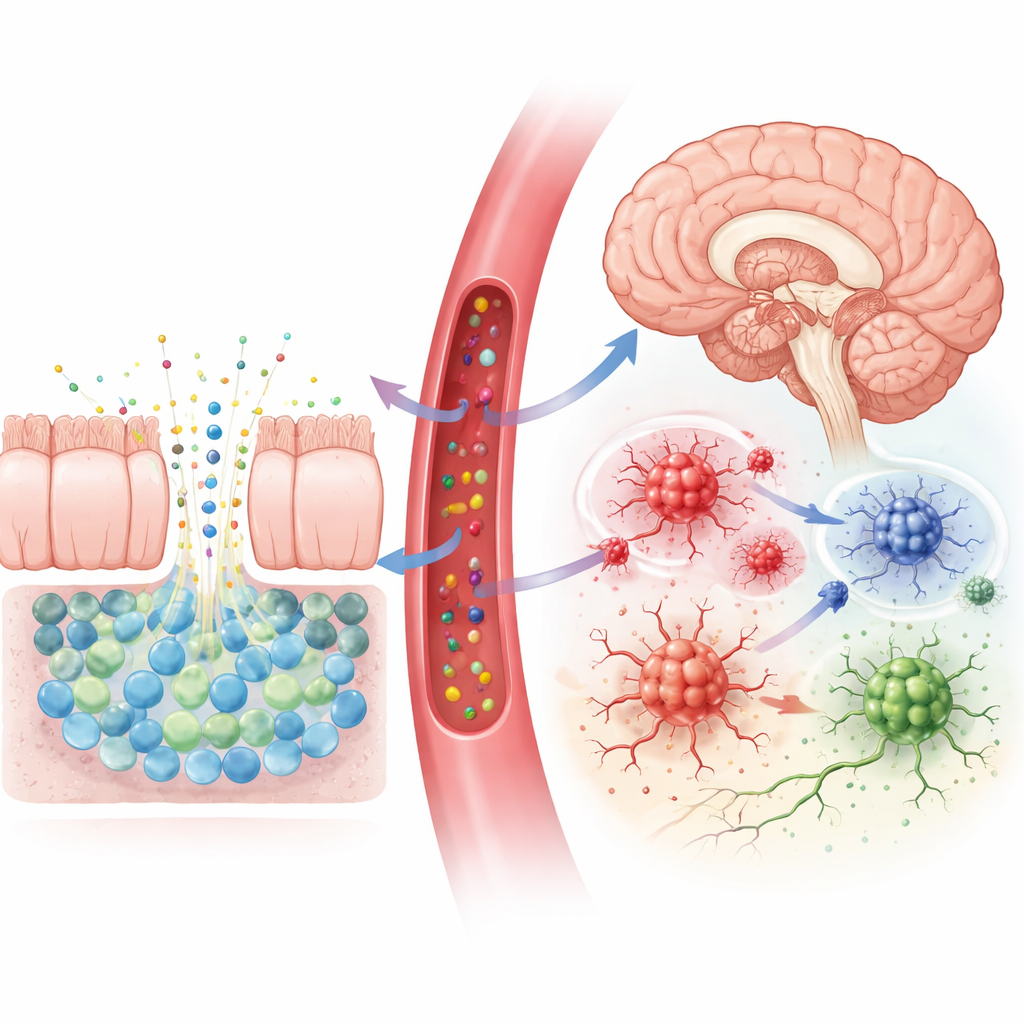
Diving deeper, the team examined inflammation in the intestine and brain. Injury alone damaged the fine fingerlike villi in the small intestine and increased markers of inflammation and leakiness in the gut wall, allowing more irritating substances to escape into the bloodstream. Extra Hungatella hathewayi partly reversed this: the gut lining in the ileum looked healthier, inflammatory molecules dropped, and a blood marker of barrier leakage declined. In the brain, the balance of immune cells called microglia shifted away from a destructive, highly inflammatory state toward a more soothing, repair-oriented state. Neurons in key memory regions were better preserved, and their density closely tracked with how well the animals performed in cognitive tests.
A Key Messenger Molecule from the Microbiome
Chemical analyses of stool and blood pointed to butyrate, a fatty acid made by Hungatella hathewayi and similar microbes, as a central player. Injured rats given extra Hungatella hathewayi had higher butyrate levels in both the gut and bloodstream. When the researchers exposed isolated brain immune cells to butyrate, these cells dialed down harmful inflammatory signals and boosted protective ones. This supports the idea that the bacterium helps by raising butyrate, which in turn calms gut and brain inflammation, stabilizes the intestinal barrier, and favors brain repair.
What This Could Mean for People
Taken together, the findings suggest that people who retain or gain more Hungatella hathewayi after a mild brain injury may be less likely to suffer lasting cognitive problems. In animals, deliberately boosting this bacterium reshaped the gut ecosystem, strengthened the intestinal wall, reduced inflammation, and protected brain cells and thinking ability. While it is far too early to prescribe a specific microbe as a therapy, this work points toward future strategies that use targeted gut bacteria or their products to lower the risk of memory and thinking problems after concussion.
Citation: Du, Q., Li, Q., Ullah, H. et al. Harnessing gut microbiota for brain health: protective role of Hungatella hathewayi for post-mTBI cognitive impairment. npj Biofilms Microbiomes 12, 56 (2026). https://doi.org/10.1038/s41522-026-00922-y
Keywords: mild traumatic brain injury, gut microbiome, cognitive impairment, butyrate, neuroinflammation