Clear Sky Science · en
Are levels of DHEAS indicative of subjective health – results of the population-based longitudinal CARLA study
Why Feeling Healthy Matters As We Age
Many people live with chronic conditions yet still say they feel healthy and satisfied with life. Others, on paper, look healthy but do not feel that way. This gap between medical test results and how people actually feel has led scientists to search for biological signals that might mirror our inner sense of health. One candidate is a hormone called DHEAS, which gradually changes with age. This study asks a simple but important question: do natural levels of DHEAS tell us anything meaningful about how healthy people feel, both physically and mentally, as they grow older?
A Hormone That Changes With Age
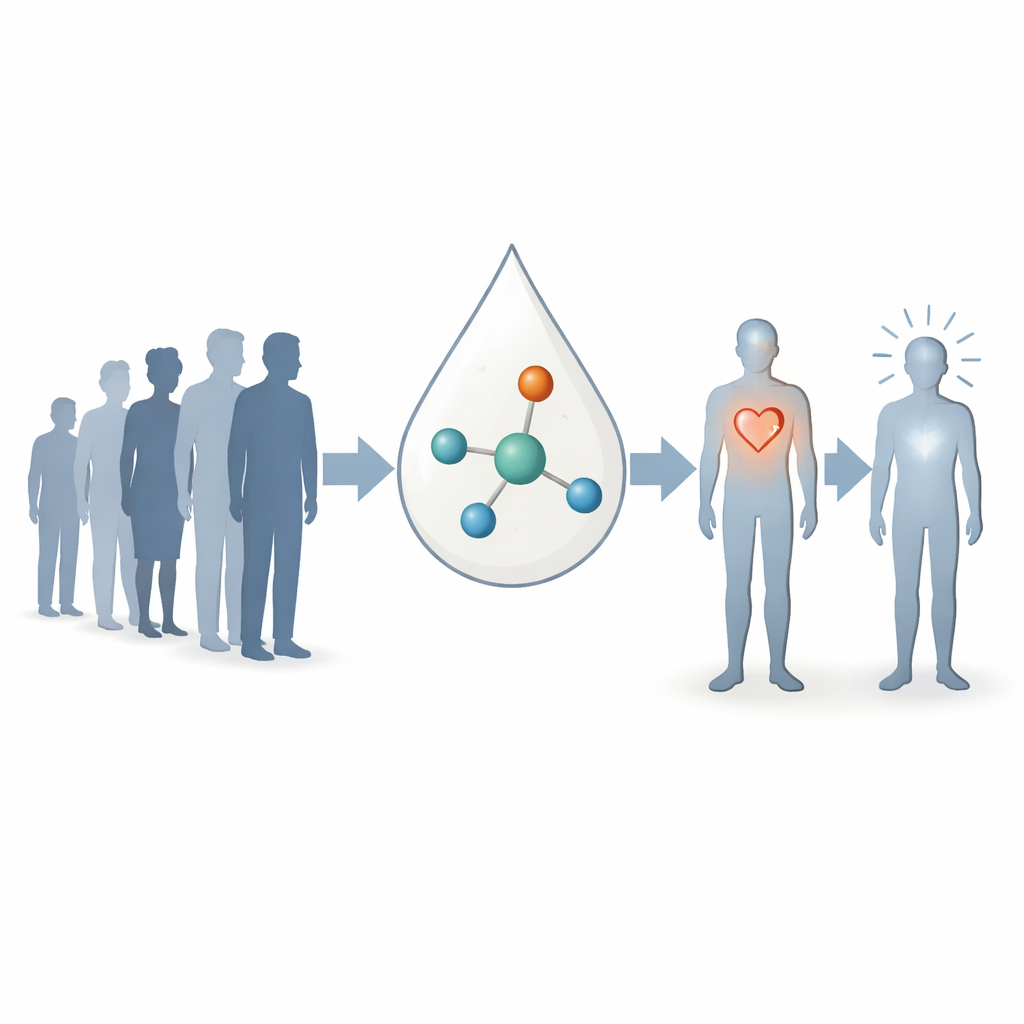
DHEAS is a form of the hormone DHEA that circulates in the blood and is often discussed as a marker of aging. Levels are generally higher in early adulthood and tend to decline over time, though the pattern varies widely from person to person. Previous work has linked low DHEAS with higher mortality, heart disease, reduced physical function, and depression, but findings have been mixed, and many studies relied on short-term hormone supplements rather than people’s natural levels. In particular, little was known about whether everyday, physiological DHEAS levels are tied to how healthy people say they feel, especially in women and over many years.
Following People’s Hormones and Health Over Time
The researchers drew on the CARLA study, a long-running project in the German city of Halle. They invited a random sample of adults aged 45 to 80 and measured their blood once at the start to determine DHEAS and testosterone levels. At that same visit, and again about four and nine years later, participants filled out a short questionnaire called the SF-12. This survey produces two scores: one capturing physical aspects of health, such as pain and mobility, and one capturing mental aspects, such as mood and emotional well-being. The team also collected information on weight, smoking, existing illnesses, and depressive symptoms so they could account for these factors in their analyses and examine men and women separately.
What the Study Found About Physical and Mental Health
When the researchers looked at data from the first visit alone, people with higher DHEAS levels tended to report better physical health. This link appeared in both men and women but was noticeably stronger in women. Importantly, the association remained even after adjusting for age, body weight, smoking, other diseases, depressive symptoms, and testosterone levels. In contrast, DHEAS showed no meaningful connection to the mental health score at that same time point. The hormone also followed the expected age pattern: older participants of both sexes generally had lower DHEAS levels.
A Short-Lived Signal, Not a Long-Term Predictor
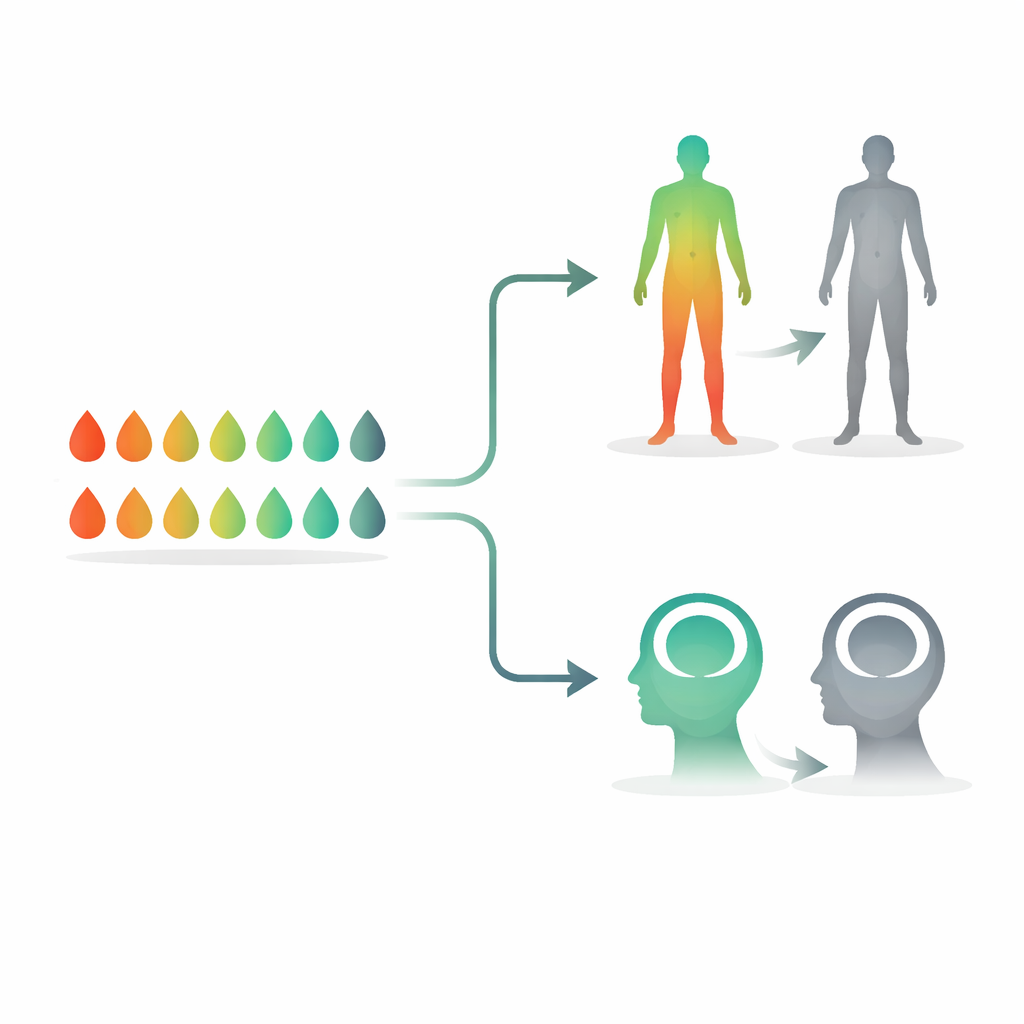
The picture changed once the team looked forward in time. Baseline DHEAS levels did not predict how participants would rate their physical or mental health four and nine years later. Instead, the best clues to future self-rated health were people’s own earlier scores, along with their burden of serious illnesses and, in women, depressive symptoms. In other words, while DHEAS and physical well-being were linked when measured side by side, the hormone did not seem to set the course for how people would feel about their health in the long run. Calculations also suggested that a very large difference in DHEAS levels would be needed to produce a change in physical health that people would actually notice.
What This Means for Healthy Aging
These findings suggest that natural DHEAS levels may reflect only a snapshot of physical well-being rather than act as a driver of how healthy we feel over time. The hormone did not meaningfully influence mental health, nor did it help forecast future changes in either physical or mental self-rated health. Instead, DHEAS may be one piece of a broader biological picture of aging that is largely separate from our personal sense of health. For patients and clinicians, this means that blood tests alone cannot capture the full story of aging well. Combining biological markers like DHEAS with simple questions about how people feel may offer a more complete, multidimensional view of healthy aging.
Citation: Behr, L.C., Kluttig, A., Simm, A. et al. Are levels of DHEAS indicative of subjective health – results of the population-based longitudinal CARLA study. npj Aging 12, 40 (2026). https://doi.org/10.1038/s41514-026-00346-0
Keywords: healthy aging, DHEAS hormone, subjective health, older adults, longitudinal study