Clear Sky Science · en
Higher education predicts global cultural similarity to WEIRD countries
Why Schooling Shapes How We See the World
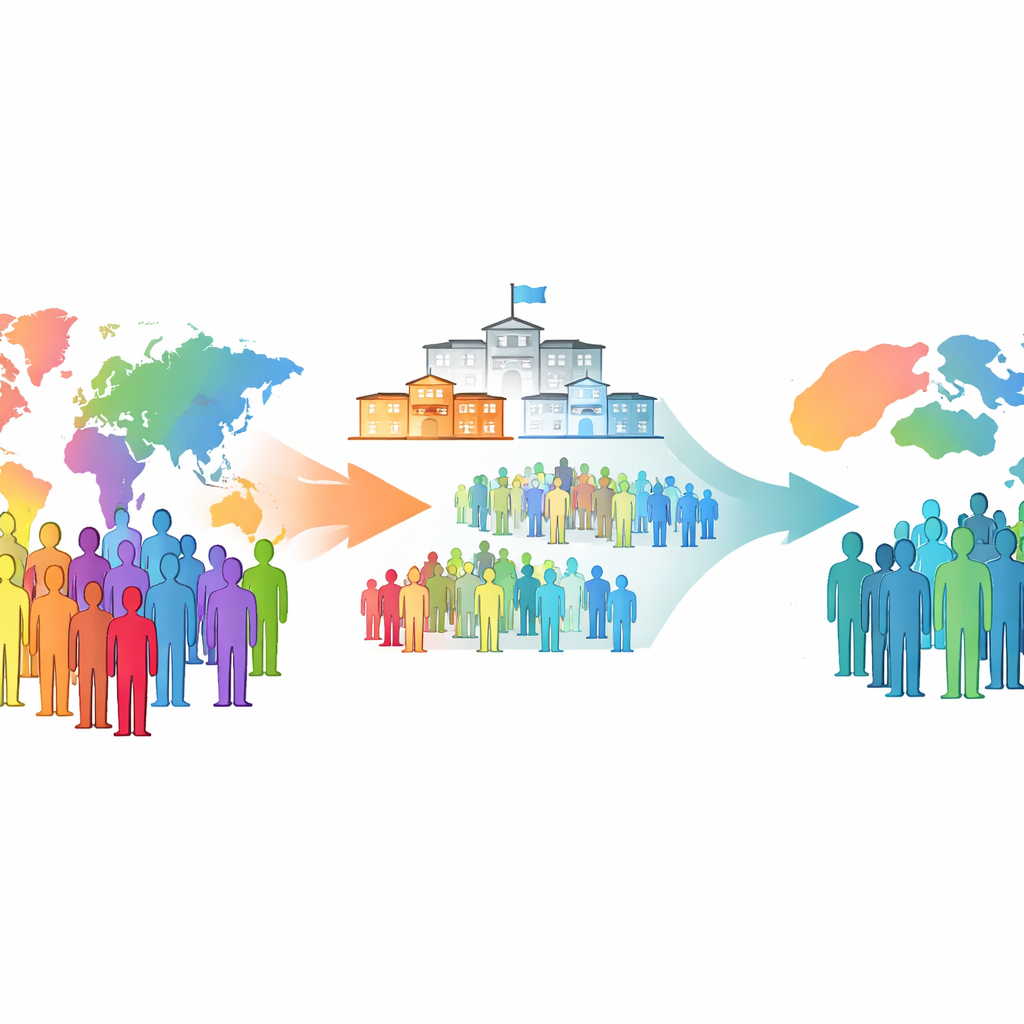
Why do people in very different countries sometimes seem to share surprisingly similar views about politics, religion, gender, and personal freedom? This study argues that one powerful force behind this global convergence is not wealth or social standing, but formal education. By examining survey answers from nearly 270,000 people in 95 countries, the authors show that highly educated people around the world tend to think and act more like people in Western nations than their less-educated neighbors do.
A Global Look at Everyday Beliefs
The researchers drew on the World Values Survey, a long-running project that asks people across the globe about their beliefs, values, and self-reported behaviors. These questions cover topics such as religion, family life, sexuality, law and order, politics, money, and how people see others in their community. Rather than focusing on one attitude at a time, the authors treated this broad set of answers as a snapshot of a person’s cultural outlook, capturing how they see the world and their place in it.
Measuring Cultural Distance Like Genetic Distance
To compare cultures, the study used a tool called the cultural fixation index, or CFST. Borrowed from genetics, where a similar measure tracks differences between populations, CFST summarizes how distinct two groups are in their survey answer patterns. A score of zero means two groups look culturally identical on the questions asked; higher scores signal larger cultural gaps. This allowed the researchers to ask a simple but sweeping question: are highly educated people in non-Western countries culturally closer to people in Western countries than less-educated people from those same nations?
Education Stands Out from Money and Status
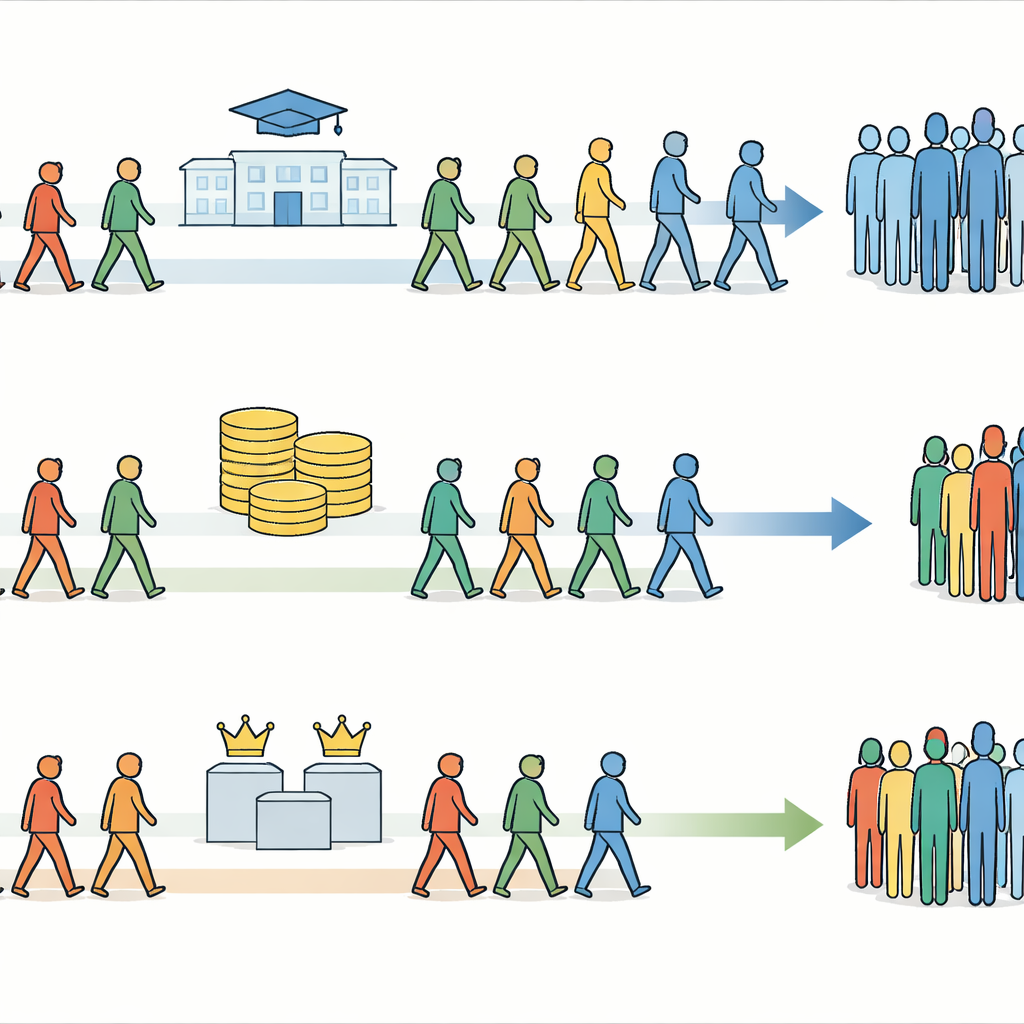
The results were striking. Across most of the 95 countries, people with more than secondary education were substantially closer, in CFST terms, to people in the United States and other Western European and English-speaking countries than those with only primary schooling. Mid-level education groups showed a similar, though smaller, trend. By contrast, people with higher incomes or who saw themselves as higher in social class were not reliably closer in culture to Westerners. In some cases, wealthier groups were even slightly more distinct. This pattern held up after taking into account how rich a country is overall, how educated its population is on average, its size, and its region of the world.
Not Just "More American," but More WEIRD
When the United States was replaced as the reference point by other nations, the same pattern emerged mainly for Western European and English-speaking countries—those often labeled "WEIRD" (Western, educated, industrialized, rich, democratic). Highly educated people in non-Western countries were more similar to residents of places like Sweden, Germany, Canada, and Australia, but not to residents of other powerful nations such as China, India, or Russia. The biggest education-linked gaps appeared on questions about sexuality and gender roles, and on attitudes toward social hierarchy and group membership, while differences on financial and legal views were smaller but still present.
What This Means for Science and Society
For behavioral scientists, these findings carry a clear warning. Many cross-cultural studies rely on university students or other highly educated volunteers in different countries and then conclude that human psychology is largely the same everywhere. This study suggests such samples may be misleading: highly educated people worldwide tend to share a cluster of Western-style values, so comparing students in different countries may underestimate how diverse human cultures truly are. To understand the full range of human thinking and behavior, research needs to look beyond both Western countries and the highly educated, and to pay closer attention to how schooling itself helps spread particular ways of seeing the world.
Citation: White, C.J.M., Muthukrishna, M. Higher education predicts global cultural similarity to WEIRD countries. Nat Commun 17, 2498 (2026). https://doi.org/10.1038/s41467-026-70404-4
Keywords: cross-cultural psychology, education and culture, WEIRD societies, global values, socioeconomic status