Clear Sky Science · en
Single-cell multi-omic analysis of mitochondrial mutational mosaicism and dynamics
Why Our Cells’ Tiny Power Plants Matter
Mitochondria, often called the power plants of our cells, carry their own small DNA separate from the DNA in our cell nucleus. This mitochondrial DNA changes more often over a lifetime and has been linked to aging, rare inherited syndromes, and even how cancers behave. Yet until recently, scientists could not easily see the full pattern of these changes in single cells. This study introduces a way to map and quantify mitochondrial DNA changes cell by cell, revealing how these tiny genomes vary, how harmful mutations are kept in check, and how this information could improve our understanding of disease risks.
Looking at Mitochondria One Cell at a Time
Instead of averaging signals across millions of cells, the researchers used a single-cell method that reads both the structure of nuclear DNA and the sequence of mitochondrial DNA from individual cells. They combined this with specially engineered human cell lines whose mitochondrial DNA accumulates mutations much faster than normal. By doing so, they could stress-test how sensitive their approach is and discover how many mutations really lurk in each cell. They found that individual cells can carry hundreds of mitochondrial DNA changes spread across the small circular genome, many more than earlier bulk methods had revealed. 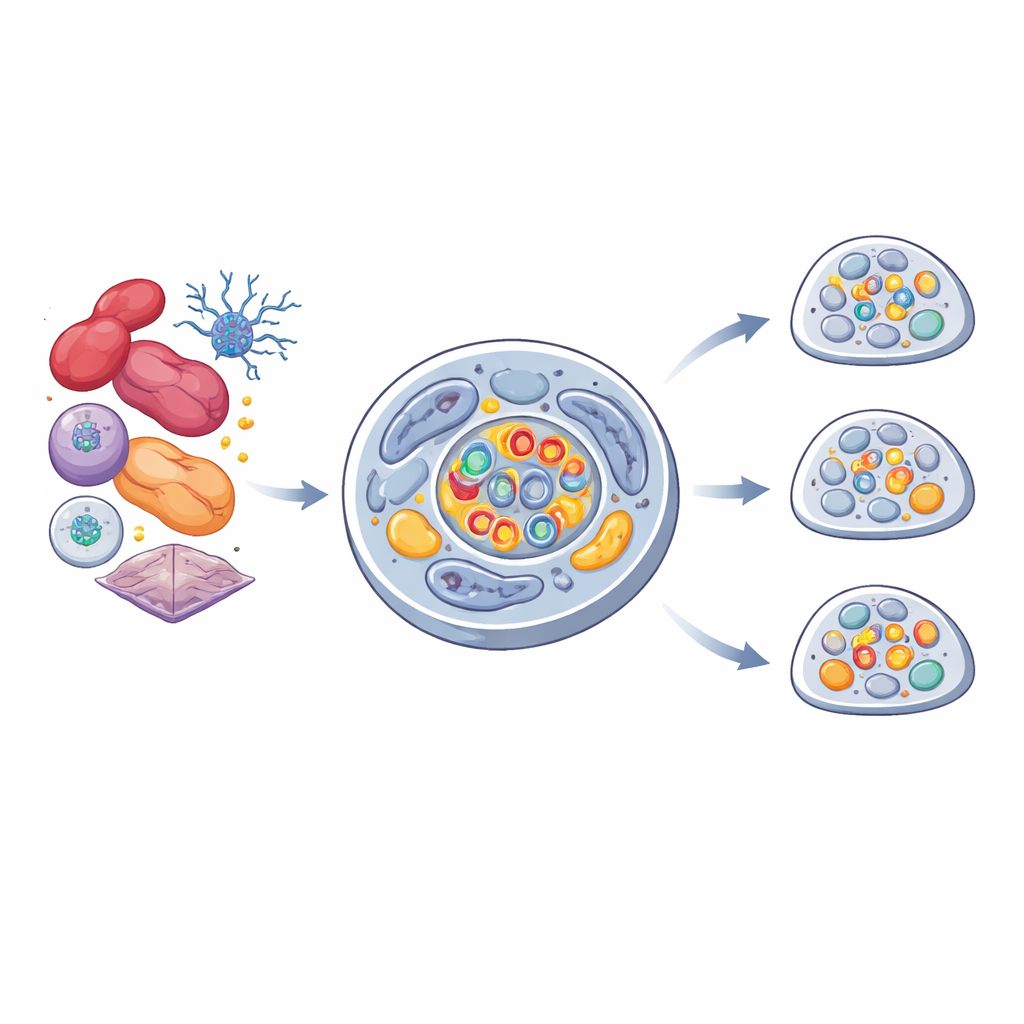
New Measures for the Cell’s Mutation Burden
To make sense of this complex picture, the team introduced two simple but powerful numbers for each cell. The first, called single-cell mutations per million base pairs (scmtMPM), asks: “How many mutations are there, adjusted for how deeply this cell’s mitochondrial DNA was read?” The second, called heteroplasmy-weighted mitochondrial constraint score (scwMSS), goes a step further. It combines how sensitive each DNA position is to change (based on large human genetic databases) with how big a fraction of the cell’s mitochondrial genomes actually carry that change. Together, these scores capture not just how many mutations a cell has, but how likely those changes are to matter for its energy-making machinery.
How Cells Cope With Heavy Mutation Loads
In the engineered “mutator” cell lines, the scientists saw a striking pattern. Harmless and mildly harmful changes could rise to fairly high levels inside individual cells. Truly damaging changes, however, almost never reached high fractions of a cell’s mitochondrial DNA. Instead, they lingered at low levels, suggesting that cells quietly weed them out over time. When the team forced cells to rely more heavily on mitochondrial energy production by switching their fuel from glucose to galactose, most cells did not undergo dramatic reshuffling of specific mutations. Instead, they responded by increasing the number of mitochondrial DNA copies, a kind of quantitative buffering against existing damage rather than a clean sweep of bad genomes. 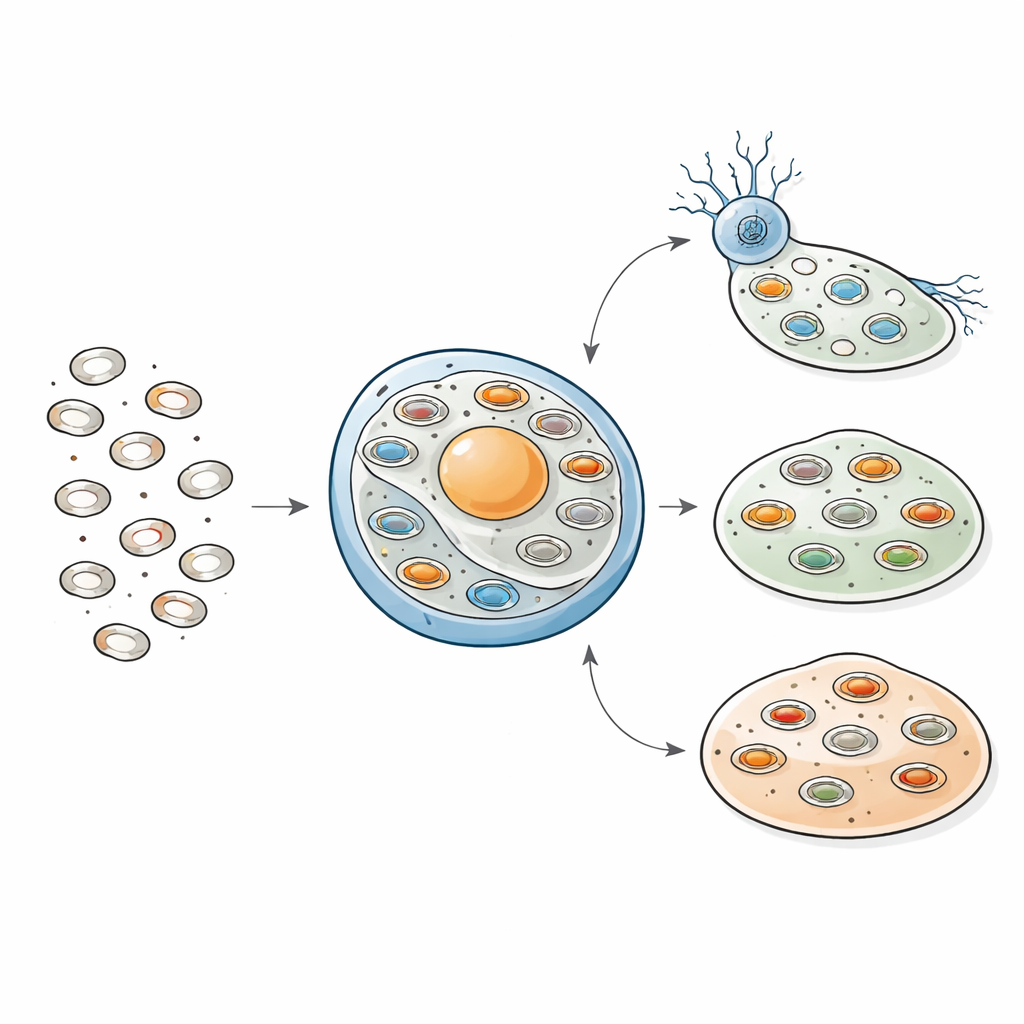
Hidden Patterns in Human Blood and Disease
The researchers then turned to blood cells from healthy volunteers and from patients with a well-known mitochondrial syndrome. They found that the new scores highlighted pockets of cells with unusually high mitochondrial mutation burdens, and that these pockets differed between cell types and between people. In patients carrying a classic disease-causing mutation, many immune cells had already cleared that harmful variant entirely, confirming strong natural selection at work. At the same time, some cell groups carried distinct additional mutations concentrated in certain mitochondrial genes, especially those forming complex I of the respiratory chain. These patterns hinted at cell-type-specific tolerances: some immune lineages appeared more willing than others to expand even when they carried a potentially harmful mitochondrial change.
What This Means for Health and Therapy
By counting and weighing mitochondrial mutations cell by cell, this work shows that disease risk is not just about a single “bad” change crossing a simple threshold. Instead, many small changes, their locations, and how widely they are spread across a cell’s mitochondrial genomes all matter. The new scoring system offers a way to standardize this information and compare cells, tissues, and patients. In the future, such measurements could help doctors detect early signs of mitochondrial problems, refine diagnoses for patients with unclear symptoms, and better predict who might respond to treatments that tap into the cell’s energy systems or immune response.
Citation: Hsieh, YH., Kautz, P., Nitsch, L. et al. Single-cell multi-omic analysis of mitochondrial mutational mosaicism and dynamics. Nat Commun 17, 2532 (2026). https://doi.org/10.1038/s41467-026-70399-y
Keywords: mitochondrial DNA, single-cell analysis, genetic mosaicism, aging and disease, immune cells