Clear Sky Science · en
Blood-based epigenetic instability linked to human aging and disease
Why tiny chemical tags in blood matter
As we age, our blood quietly changes in ways that can tip the balance toward heart disease and cancer. This study shows that a particular kind of molecular "restlessness" in our blood cells — small shifts in chemical tags on DNA — can signal both the growth of dangerous cell clones and a higher risk of cardiovascular problems and death. Because these changes are measurable from a simple blood test, they may one day help doctors catch trouble earlier and track how disease responds to treatment. 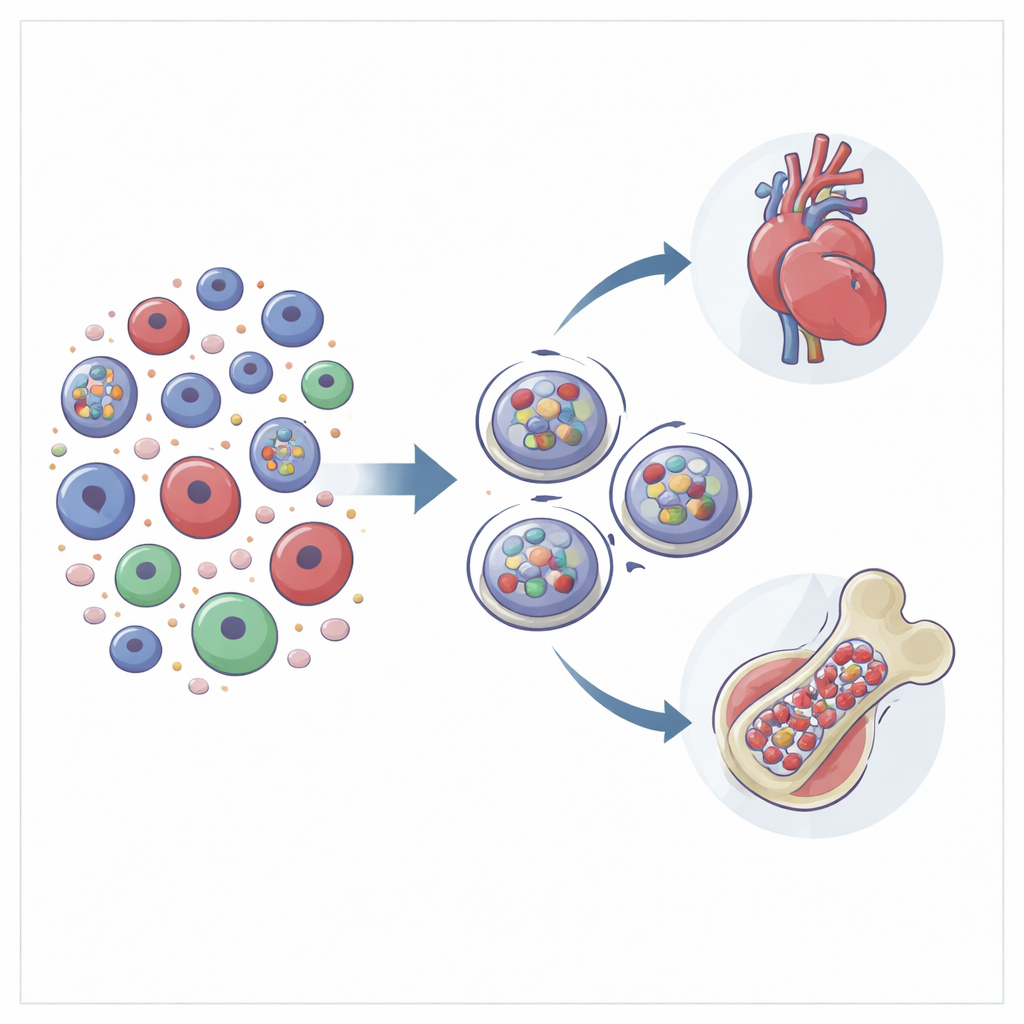
A stable pattern written early in life
The authors began by looking for stretches of DNA in blood cells that are remarkably stable in healthy young people. They focused on DNA methylation, small chemical tags attached to DNA that help control which genes turn on or off. Among more than 1,600 healthy 18-year-olds, they identified over 30,000 sites that were almost completely unmethylated across everyone, and another group that was always methylated. They called these sites epigenetically stable loci, or ESLs. Importantly, similar on-or-off patterns at these sites could be seen across many tissues and stages of development, suggesting that this chemical "baseline" is laid down early in life and normally kept under tight control.
When stable marks go off script in blood cancers
The team then asked what happens to these ESLs in blood cancers such as leukemias and lymphomas. Using data from thousands of patients, they found that sites that should be unmethylated frequently gained methylation in both myeloid and lymphoid malignancies. Lymphoid cancers tended to show the strongest disruption. In many patients, the same ESLs were repeatedly altered, and the amount of methylation at those sites tracked with how many cancer cells were present. By comparing samples taken at diagnosis and later relapse in the same individuals, the researchers showed that each person’s pattern of altered ESLs was preserved over time, even through chemotherapy. This persistence points to an epigenetic "memory" within expanding cancer cell clones, much like a fingerprint that follows them from diagnosis to relapse.
Aging blood grows more epigenetically unstable
Crucially, similar — though milder — instability appeared in people without diagnosed blood cancer. The authors defined DNA methylation instability (DMI) as how much ESL methylation in a person’s blood deviates from the normal, unmethylated state. Across multiple large cohorts of healthy donors, DMI rose steadily with age. Older individuals showed more ESLs drifting away from their youthful pattern, suggesting that epigenetic instability builds up gradually in blood-forming stem cells. In leukemia patients, DMI levels were much higher and closely mirrored both the burden of genetic mutations and the ups and downs of disease over time. This means DMI can capture clonal behaviour even when specific DNA mutations are hard to detect. 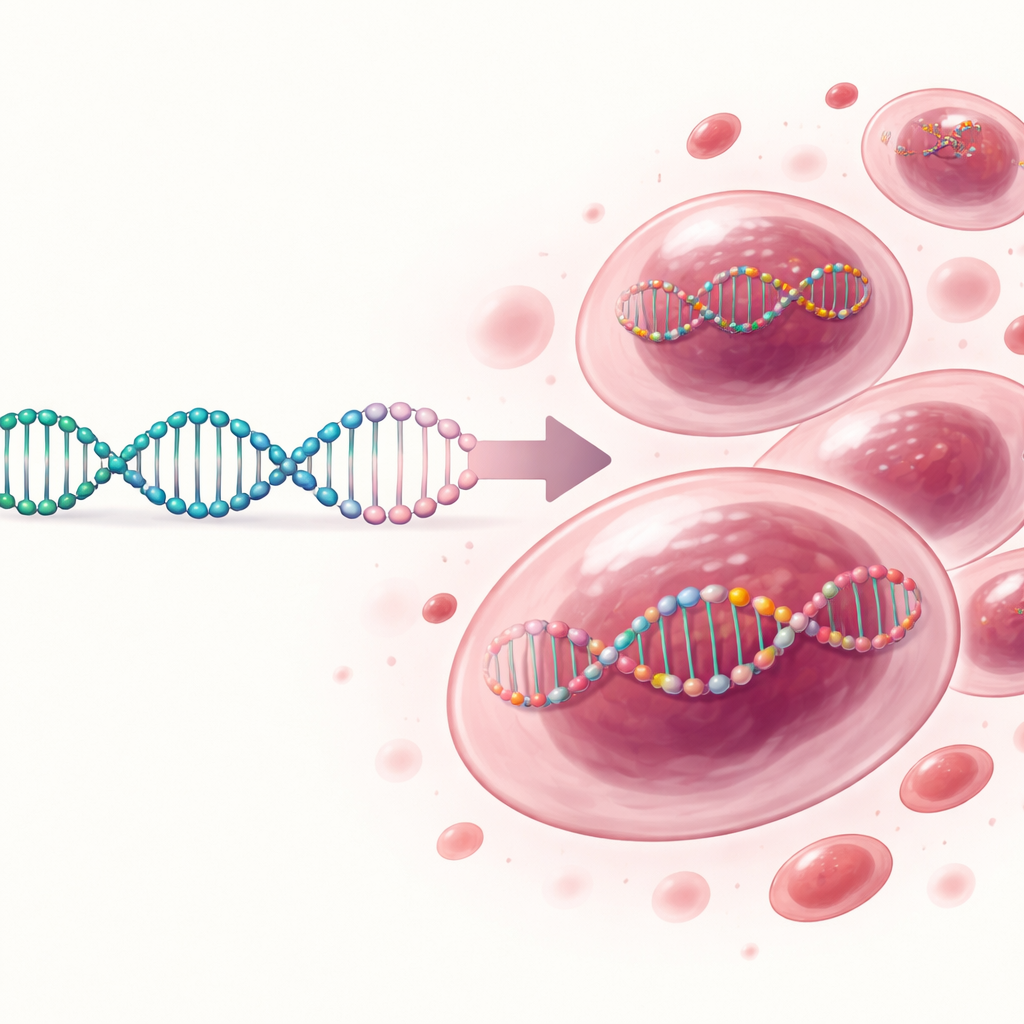
Links to heart disease and survival
Because age-related expansion of abnormal blood cell clones is known to raise cardiovascular risk, the researchers asked whether DMI alone — regardless of DNA mutations — could flag danger. In participants from the long-running Framingham Heart Study, people with higher DMI had greater chances of dying, and were more likely to develop cardiovascular disease, coronary heart disease, and heart failure during follow-up. These links remained even after accounting for age, sex, and the mix of immune cell types in the blood. In a separate group of critically ill patients with cardiogenic shock, high DMI again predicted poorer survival, independently of whether standard genetic tests showed clonal hematopoiesis. Together, these results suggest that epigenetic instability in blood is a strong, mutation-independent marker of cardiovascular risk.
How unstable tags may disrupt gene control
To explore how ESL changes might affect cell behaviour, the authors mapped where these sites sit in the genome. They found that ESLs cluster near gene starting points, especially in CpG islands — regions rich in the DNA letters targeted by methylation. Many ESLs lie inside the binding motifs of transcription factors, proteins that read DNA and control gene activity. When ESLs in these promoter regions gain methylation, nearby genes often become less active, and many of those genes normally decline with age. Examples include genes involved in restraining cell growth or regulating blood pressure. In some cases, methylation within a transcription factor’s binding site can either enhance or block its attachment, potentially rewiring networks that govern cell division, survival, and inflammation. Over time, such shifts could favor the growth of maladaptive blood cell clones and contribute to both leukemia and cardiovascular disease.
What this means for health and medicine
Overall, this work paints a picture in which healthy blood relies on a remarkably stable epigenetic landscape, and gradual erosion of that stability acts as both a marker and possible contributor to disease. By focusing on DNA sites that should rarely change, the researchers created a sensitive measure — DNA methylation instability — that tracks clonal expansion in blood cancers, rises with age, and forecasts cardiovascular events and mortality. While more research is needed to prove which changes are causal and to move beyond current array technologies, the study suggests that a simple blood-based readout of epigenetic stability could eventually help doctors gauge aging-related risk, refine cancer monitoring, and better understand how blood cell clones shape our long-term health.
Citation: Basrai, S., Nofech-Mozes, I., Detroja, R. et al. Blood-based epigenetic instability linked to human aging and disease. Nat Commun 17, 2754 (2026). https://doi.org/10.1038/s41467-026-69430-z
Keywords: DNA methylation, clonal hematopoiesis, epigenetic aging, cardiovascular risk, leukemia