Clear Sky Science · en
Inhibition of stress resilience and adult hippocampal neurogenesis by platelet-derived LPA16:0 in anxiety
Why Blood and Brain Matter for Everyday Anxiety
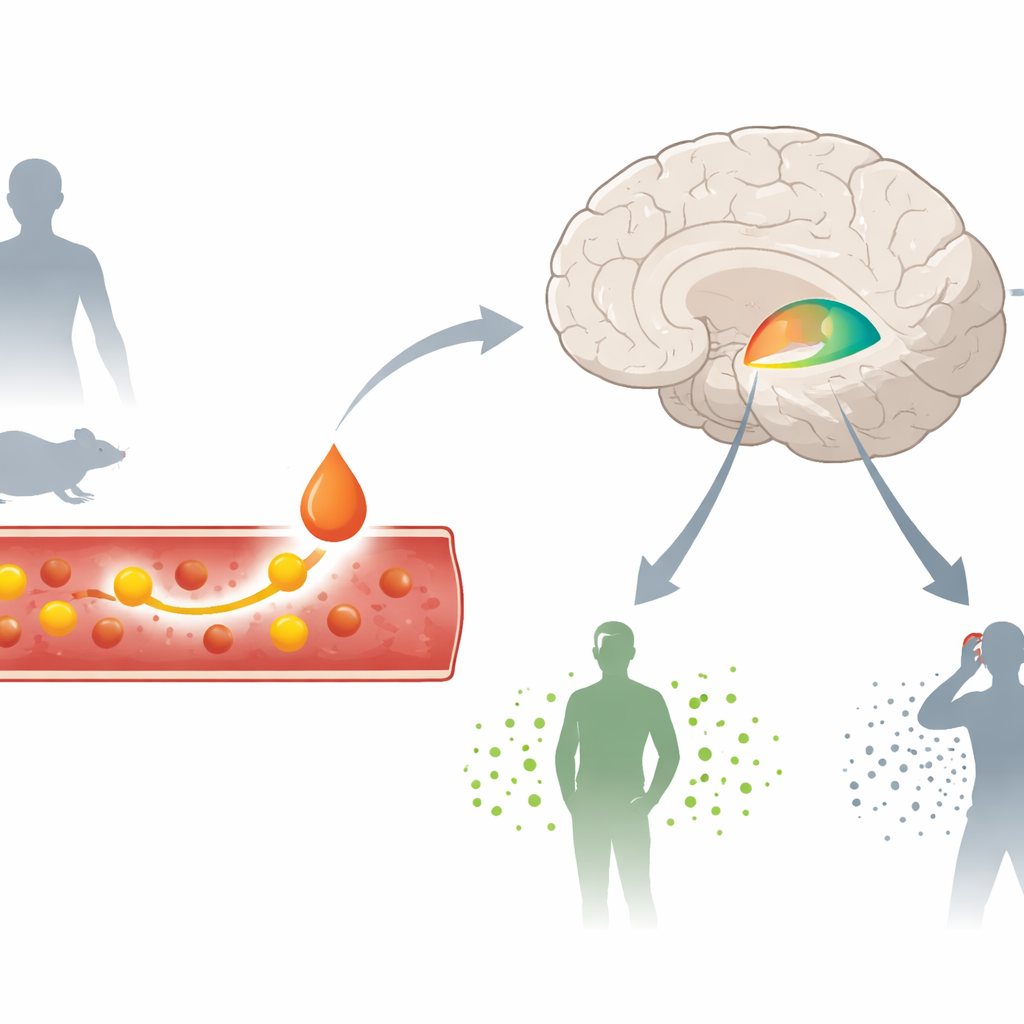
Anxiety is often talked about as something that lives entirely in our thoughts, but this study shows that the story reaches all the way into our blood. The researchers uncover how a fatty molecule carried by blood platelets can dampen the brain’s ability to grow new cells in a key memory and emotion center, making people less resilient to stress. Understanding this blood–brain link could open new ways to detect who is vulnerable to anxiety and to design treatments that work with the brain’s own capacity to renew itself.
A Hidden Chemical Signal in the Blood
The team focused on a signaling fat called lysophosphatidic acid 16:0, or LPA16:0, which circulates in the bloodstream and is largely produced by platelets, the tiny cells best known for helping blood clot. They developed a laboratory test in which adult neural precursor cells—immature cells from the hippocampus, the brain’s learning and mood hub—are exposed to small amounts of blood serum. This "blood–brain axis" assay let them see how real blood samples influence cell growth. Serum from naturally anxious mice, from mice subjected to chronic stress, and from young adults with high anxiety all caused these precursor cells to divide less, and the higher the anxiety scores, the stronger this brake on cell proliferation.
Connecting Anxiety, Platelets, and Brain Cell Growth
By scanning hundreds of blood chemicals from human participants at high risk for psychiatric disorders, the scientists found that LPA16:0 stood out. Levels of this molecule were higher in anxious individuals and rose in step with both their long-term tendency to worry and their momentary feelings of anxiety. In both people and mice, more LPA16:0 in serum meant weaker growth of hippocampal precursor cells in the assay. Other lipid measurements suggested that an enzyme called autotaxin, which converts precursor molecules into LPA, was especially active in anxious participants, helping to explain why this one fatty signal was elevated.
How the Signal Reaches the Brain’s “Mood Garden”
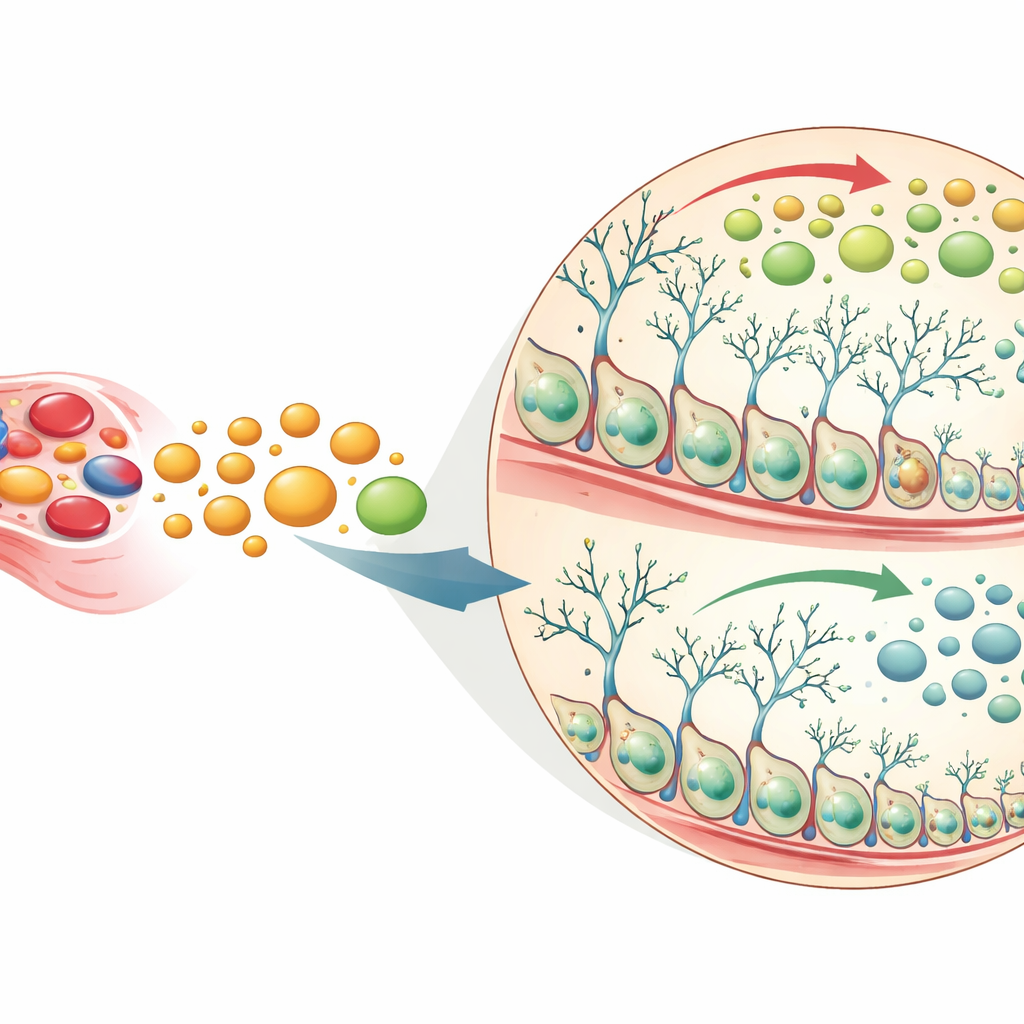
New neurons in the adult hippocampus arise from stem-like cells nestled alongside blood vessels, in a niche that is unusually open to circulating signals. The study shows that LPA16:0 acts on a specific receptor, called LPA1, present on these stem cells and some neighboring cells. Blocking this receptor in the dish restored normal growth when anxious serum was present, while adding extra LPA16:0 alone was enough to slow proliferation. In live mice, raising LPA16:0 levels did not make them obviously more anxious at rest, but it did make them react more strongly to an acute stress, and their hippocampi showed fewer dividing cells. Conversely, treating mice with an LPA1 blocker or selectively lowering LPA1 on stem cells boosted the production of new neurons and made the animals more resilient in both acute and chronic stress tests.
Turning Down Platelets to Turn Up Resilience
Because platelets are the major factory for LPA16:0 in blood, the researchers tested what happens if they are temporarily depleted. When platelets were reduced in mice, LPA16:0 in plasma dropped to undetectable levels. These mice showed lower baseline anxiety, coped better with a prolonged stress challenge, and had more dividing cells in the hippocampus. This parallel with the drug experiments suggests that platelet-derived LPA16:0 acts like a volume knob on the brain’s “mood garden”: when the signal is high, fewer new neurons are born and stress hits harder; when it is low, neurogenesis is enhanced and coping improves.
What This Means for Understanding and Treating Anxiety
To a non-specialist, the central message is that anxiety is not just “in the mind” but is shaped by a dialogue between blood and brain. Platelets in anxious individuals release more LPA16:0, which then acts on hippocampal stem cells through the LPA1 receptor to reduce the birth of new neurons and weaken stress resilience. Genetic variants that lower LPA1 activity appear to protect against anxiety, adding further support to this pathway. These findings point to LPA16:0 as a potential blood biomarker for anxiety risk and to LPA1 as a promising target for new treatments that could restore healthy neurogenesis and improve the brain’s natural capacity to bounce back from stress.
Citation: Larrieu, T., Grieco, F., Carron, C. et al. Inhibition of stress resilience and adult hippocampal neurogenesis by platelet-derived LPA16:0 in anxiety. Nat Commun 17, 2424 (2026). https://doi.org/10.1038/s41467-026-69240-3
Keywords: anxiety, hippocampus, neurogenesis, platelets, lipid signaling