Clear Sky Science · en
The gut microbiome and metabolome associate with Schistosoma mansoni infection and cardiovascular disease risk in Uganda
Why worms in the gut might matter for the heart
Heart disease is usually blamed on diet, blood pressure, and cholesterol, but in many parts of the world another factor quietly shapes people’s risk: chronic infections with parasitic worms. This study, carried out in Uganda, explores a surprising idea—that infection with the water‑borne parasite Schistosoma mansoni may alter the community of microbes and chemicals in the gut in ways that influence blood fats and blood pressure, two key ingredients of cardiovascular disease.
Looking at hearts in places where worms are common
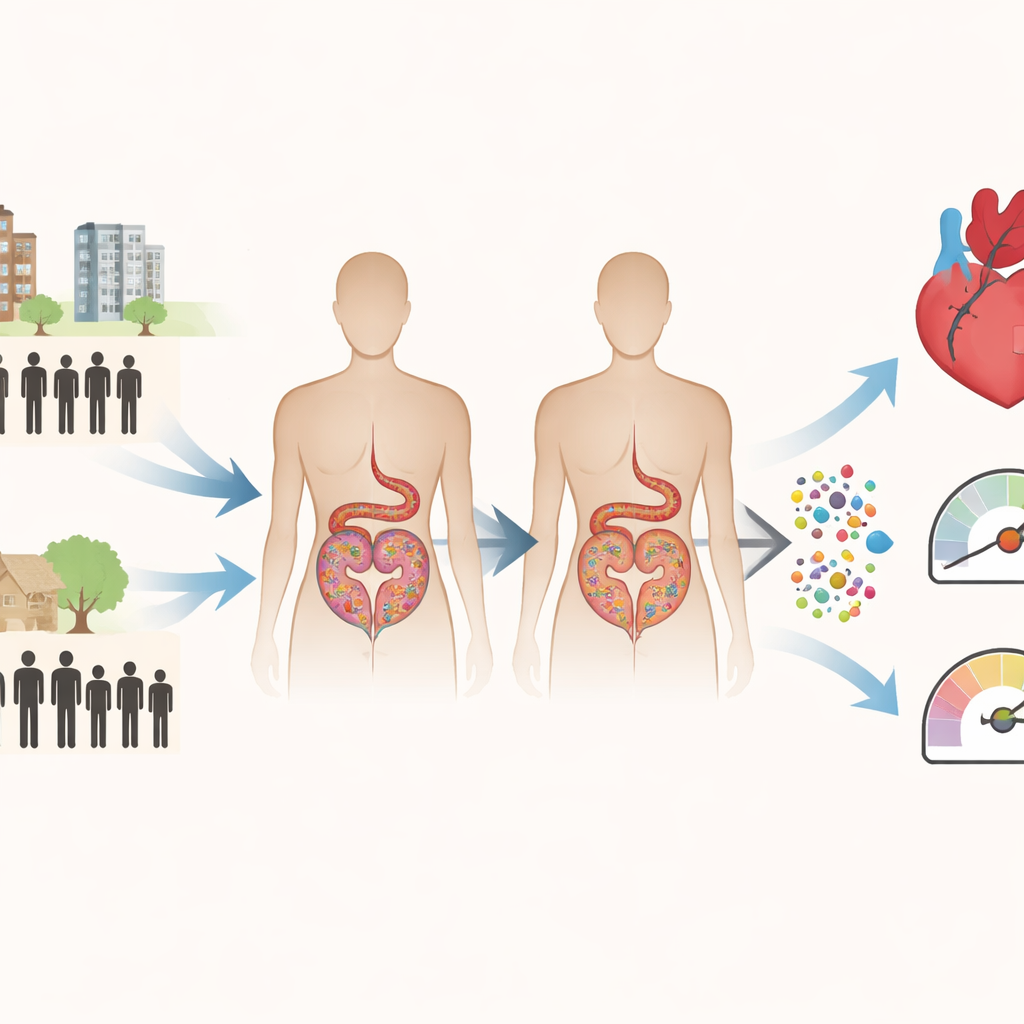
Cardiovascular diseases are now the leading cause of death worldwide, with most deaths occurring in low- and middle-income countries. At the same time, chronic worm infections remain widespread in these regions. Earlier studies hinted that people with helminth infections often have lower cholesterol, better blood sugar control, and slightly lower blood pressure. To probe why, the researchers drew on two Ugandan populations: rural island fishing communities where S. mansoni is very common, and a nearby urban town with lower infection levels. From 209 adults and teenagers, they collected stool and blood samples and recorded blood pressure, cholesterol, and other measures related to heart and metabolic health.
Reading the gut’s living community
The team sequenced bacterial DNA in stool to map each person’s gut microbiome. People infected with S. mansoni had more diverse gut bacteria than those without the parasite, a feature that has often been linked to better metabolic health. Specific bacterial groups differed between infected and uninfected people. Infected individuals tended to have higher levels of some genera and lower levels of others, such as Prevotella and Streptococcus. The researchers then looked at how these microbes related to cardiovascular risk factors. Certain bacteria that were more common in infected people were also statistically linked to lower “bad” LDL cholesterol, total cholesterol, blood pressure, or better glucose and insulin levels.
Following the chemical fingerprints
Microbes constantly turn food and host molecules into small chemicals, or metabolites, that circulate through the body. Using mass spectrometry, the team measured hundreds of these compounds in stool. While the overall chemical profiles of infected and uninfected people overlapped, some individual metabolites stood out. People with S. mansoni infection showed higher levels of molecules tied to lipid handling—especially pathways controlled by liver receptors that regulate cholesterol uptake, bile acid balance, fat storage, and fat breakdown. This suggests that the infection is associated with a subtle reshaping of how fats and sugars are processed, rather than a dramatic, whole‑system shift.
Connecting worms, microbes, chemicals, and heart risk
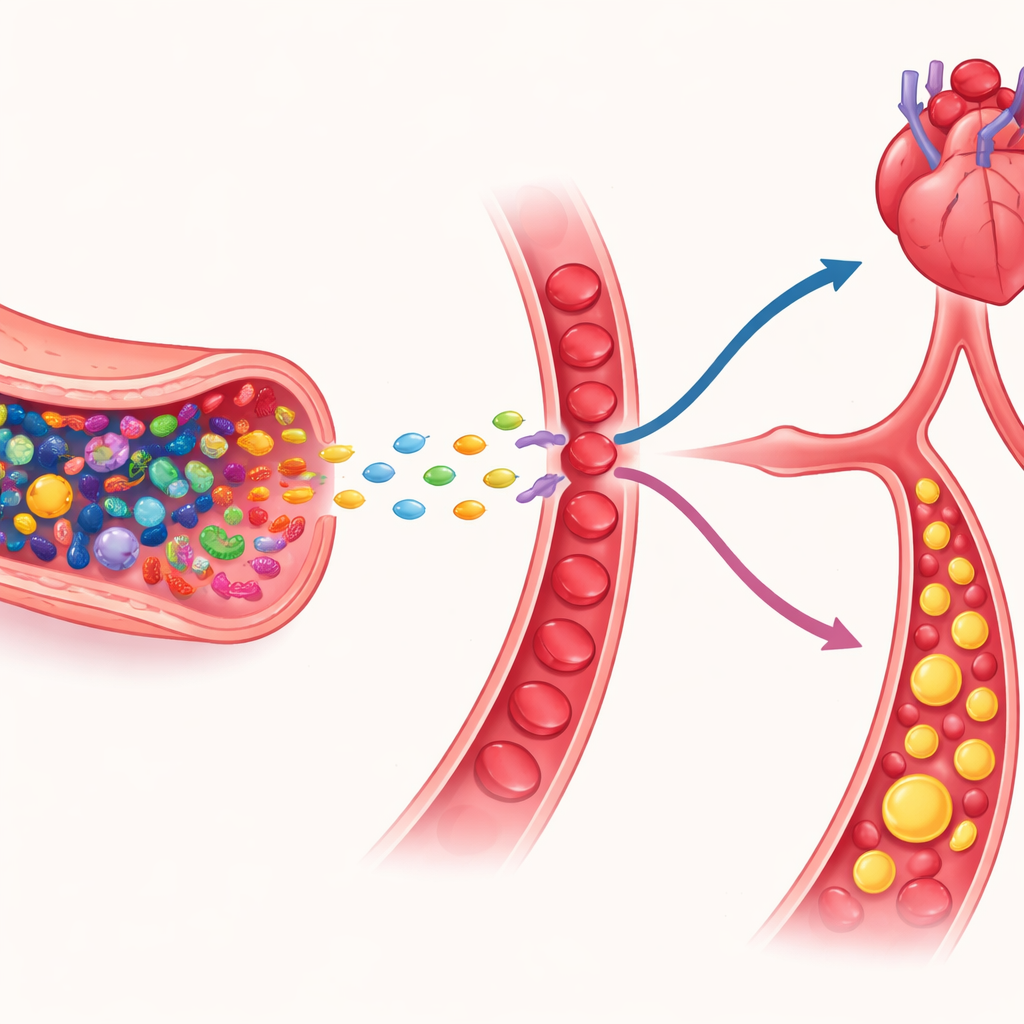
To understand how these pieces fit together, the researchers built statistical models that tested whether specific gut microbes seemed to “sit in the middle” between infection and heart risk. Several bacterial groups did: they were more common in infected people and were associated with healthier levels of LDL cholesterol, total cholesterol, blood pressure, glucose, or insulin. The team then integrated the microbiome and metabolite data, building networks that traced chains from particular bacteria to particular metabolites and onward to blood lipids and blood pressure. In these networks, some infection‑linked bacteria were connected to metabolites associated with lower LDL cholesterol or lower diastolic blood pressure, hinting at a gut-based route by which the parasite could influence the cardiovascular system.
What this could mean for future prevention
The study does not suggest that S. mansoni infection is good for health overall; the parasite can damage organs and, in some cases, contribute to serious heart and lung problems. Nor can a cross-sectional snapshot prove cause and effect. However, the work shows that people with this long‑term infection carry distinctive combinations of gut microbes and gut‑derived chemicals that correlate with lower levels of some cardiovascular risk factors. Understanding these microbe–metabolite patterns could eventually inspire new ways to mimic any protective effects—through diet, probiotics, or drugs—without exposing people to harmful parasites.
Citation: Walusimbi, B., Lawson, M.A., Bancroft, A.J. et al. The gut microbiome and metabolome associate with Schistosoma mansoni infection and cardiovascular disease risk in Uganda. Nat Commun 17, 2351 (2026). https://doi.org/10.1038/s41467-026-68983-3
Keywords: gut microbiome, parasitic worms, cardiovascular risk, schistosomiasis, metabolites