Clear Sky Science · en
Neoadjuvant modified FOLFIRINOX plus nivolumab in borderline-resectable pancreatic ductal adenocarcinoma: a pilot phase 1 trial
Why this research matters
Pancreatic cancer is one of the deadliest cancers, in part because tumors often sit wrapped around vital blood vessels, making surgery risky and relapse common. Doctors have powerful chemotherapies and new immune-boosting drugs, but so far, most combinations have not helped people with pancreatic cancer live longer. This study tested a promising pairing of an intense chemotherapy regimen with an immune therapy before surgery, and also dove deep into patients’ tumor samples to understand why the immune system still struggles to control this disease.
A new treatment plan before surgery
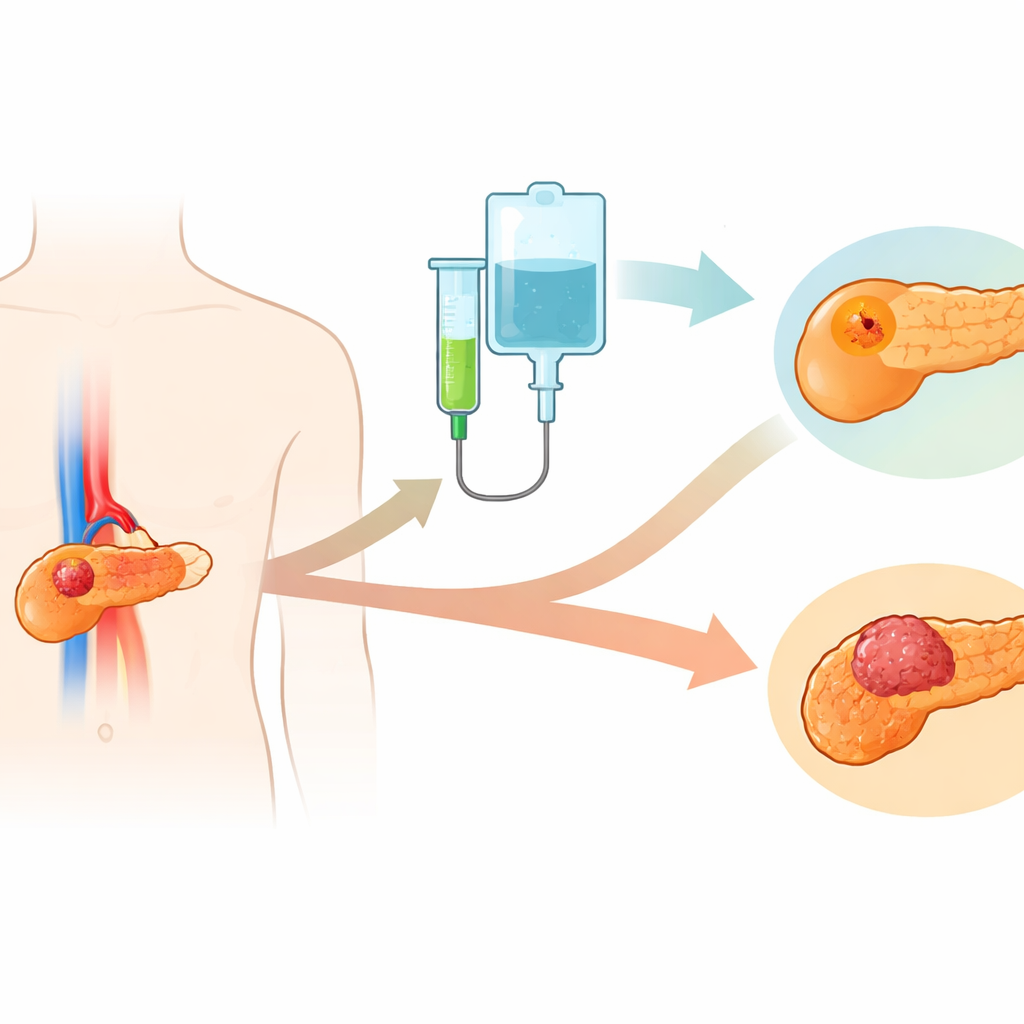
The researchers focused on people with “borderline‑resectable” pancreatic cancer, where the tumor touches major blood vessels but can still potentially be removed. Standard care already includes several months of chemotherapy before surgery to shrink the tumor and tackle hidden cancer cells elsewhere in the body. In this pilot trial, 28 patients received a modified version of a strong four‑drug chemotherapy cocktail, called FOLFIRINOX, together with nivolumab, a drug that takes the brakes off immune cells. The drugs were given for up to six cycles, after which doctors reassessed whether surgery was possible.
Safety and early clinical outcomes
An important question was whether adding immune therapy would make treatment or surgery too dangerous. The study found that the combination was generally well tolerated. Nearly 80% of patients went on to surgery on schedule, and there were no severe immune‑related side effects attributed to nivolumab. Serious treatment‑related problems were linked instead to chemotherapy, such as low white blood cell counts. In the operating room, surgeons were able to fully remove the tumor in most patients, and major surgical complications, like severe pancreatic leaks, were rare.
On microscopic examination of the removed tumors, most patients showed clear evidence that the cancer had been damaged by treatment. About 9% had no detectable cancer cells left in the surgical specimen, and another 9% had only tiny remnants; the majority had a strong but incomplete response. Measures of cancer activity in the blood and on scans often improved, and typical time without disease coming back after surgery was around a year and a half. However, when the researchers compared these results to what is usually seen with chemotherapy alone, they did not find convincing signs that adding nivolumab significantly extended survival for the group as a whole.
What was happening inside the tumors
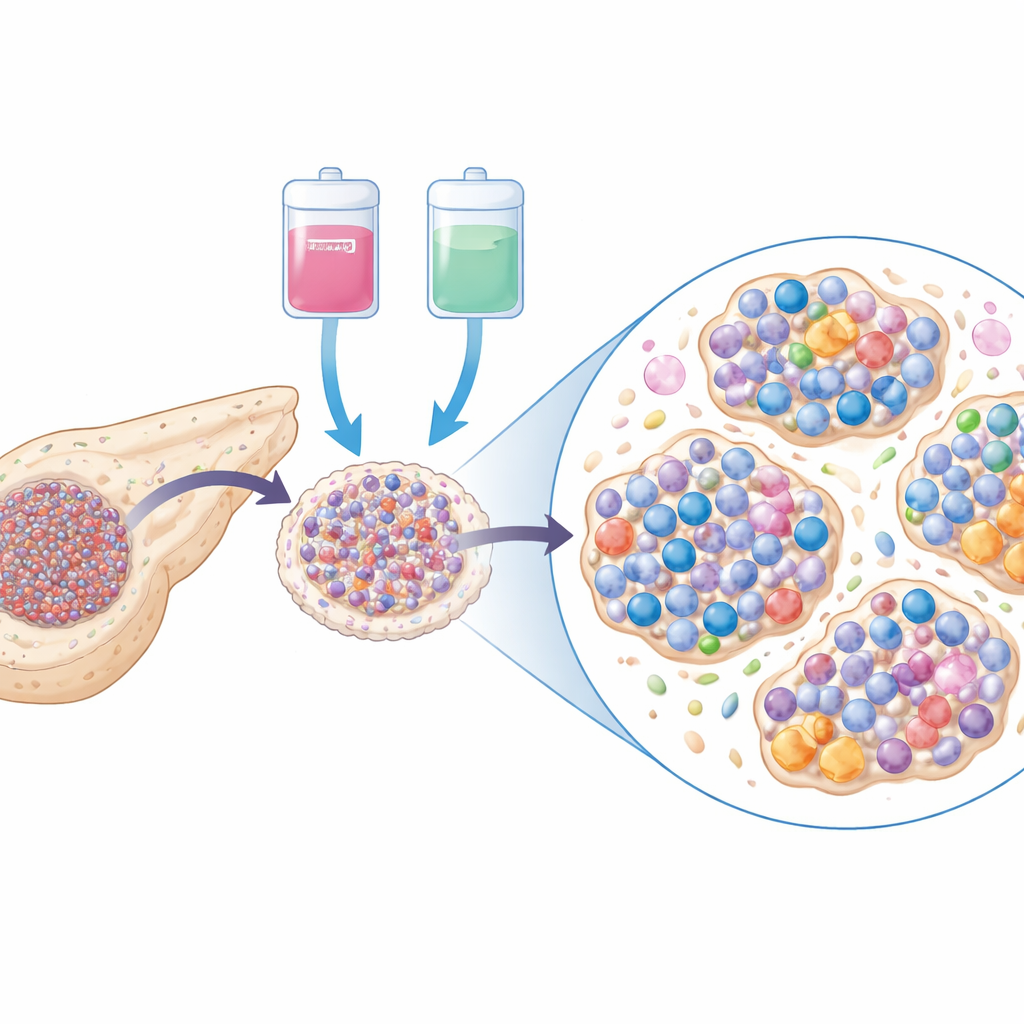
To understand why immune therapy did not deliver a bigger benefit, the team analyzed tumor samples taken before and after treatment, and compared them to samples from similar patients who had received chemotherapy alone. Using modern gene‑reading techniques and detailed staining of tissue slices, they found that tumors exposed to nivolumab plus chemotherapy contained more of two key immune cell types: killer T cells (which can directly attack cancer cells) and plasma cells (which produce antibodies). On the surface, this looked encouraging, because in other cancers, a surge of killer T cells after immune therapy often predicts better outcomes.
Disordered immune “neighborhoods”
The deeper analysis revealed a more troubling picture. Many of the extra plasma cells were clustered inside small immune “neighborhoods” within the tumor known as lymphoid aggregates. In other cancers, well‑organized versions of these structures help train both T cells and B cells to recognize and fight tumors. In this study, however, the lymphoid aggregates inside the tumor often looked disorganized, with unusually high ratios of plasma cells to their B‑cell precursors. These plasma‑cell‑heavy clusters tended to lack central memory and early “progenitor exhausted” T cells—the very subsets that can be re‑energized by PD‑1‑blocking drugs like nivolumab. Instead, they were enriched with “terminally exhausted” T cells that appear worn out and less able to attack cancer cells.
What this means for patients
Overall, combining nivolumab with strong chemotherapy before surgery appeared safe and produced good tumor shrinkage, but it did not clearly help most patients with this type of pancreatic cancer live longer than expected with chemotherapy alone. A small group of patients did extremely well, with complete or near‑complete responses and years without recurrence, hinting that there may be a subset of tumors that can benefit from this approach. The immune‑mapping work suggests that, in many patients, PD‑1 blockade may be reshaping the immune landscape inside the tumor in an unhelpful way, driving antibody‑producing cells and exhausted T cells rather than building a durable, coordinated attack. Future treatments may need to preserve or restore healthy immune “neighborhoods” in the tumor so that both T cells and B cells can work together more effectively, potentially turning immune therapy into a more powerful ally against pancreatic cancer.
Citation: Wainberg, Z.A., Link, J.M., Premji, A. et al. Neoadjuvant modified FOLFIRINOX plus nivolumab in borderline-resectable pancreatic ductal adenocarcinoma: a pilot phase 1 trial. Nat Commun 17, 2232 (2026). https://doi.org/10.1038/s41467-026-68976-2
Keywords: pancreatic cancer, immunotherapy, chemotherapy, tumor microenvironment, clinical trial