Clear Sky Science · en
Cost-effectiveness of a smart pillbox intervention for adherence to oral HIV pre-exposure prophylaxis
Smarter Pillboxes for a Fairer Fight Against HIV
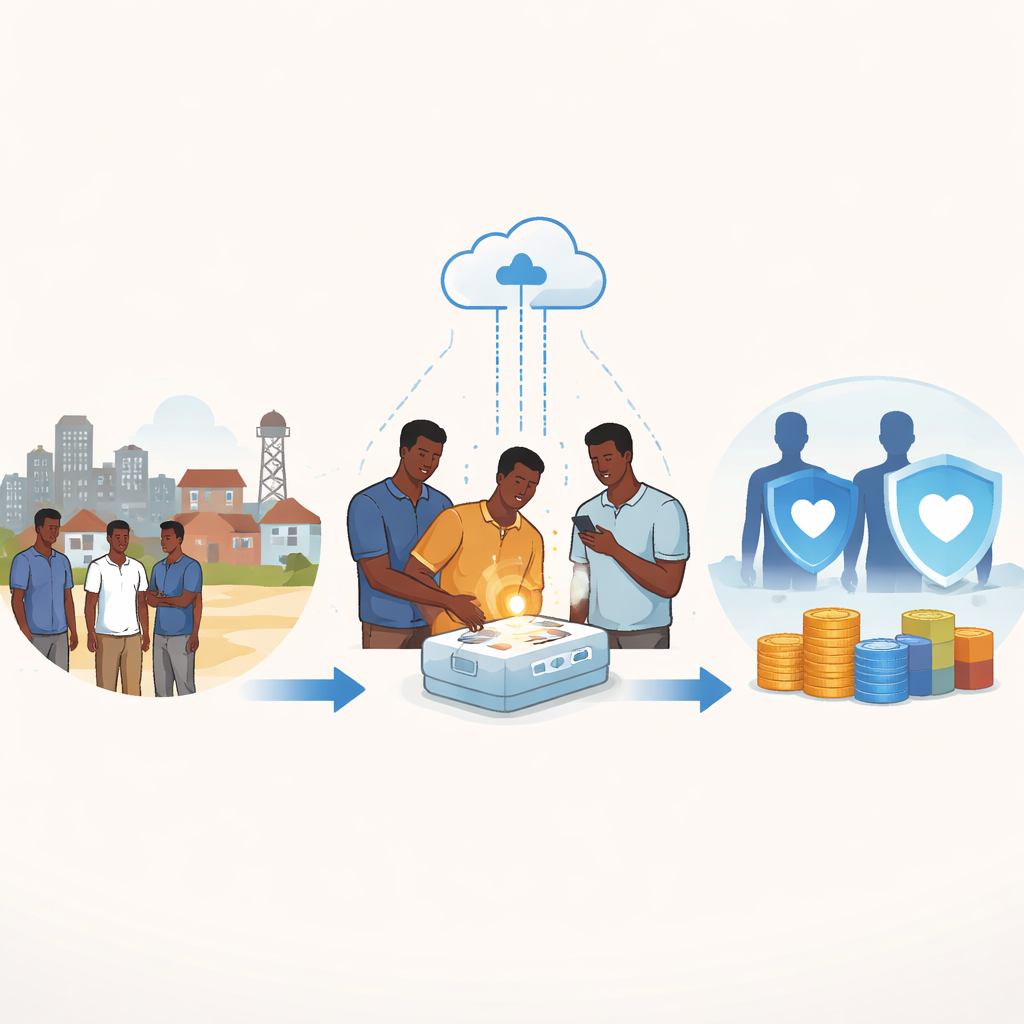
Many people at high risk for HIV can dramatically cut their chances of infection by taking a daily preventive pill, known as PrEP. Yet in real life, remembering to take a pill every day—and having the support to keep going—is hard, especially for men who have sex with men in lower-income settings who already face stigma and financial strain. This study asks a practical question with big implications: can a simple “smart” pillbox that quietly tracks pill use and triggers timely support not only improve adherence, but do so at a reasonable cost for health systems with limited budgets?
Why Staying on Prevention Pills Is So Difficult
PrEP works extremely well when taken consistently, reducing sexual transmission of HIV by up to about 99%. But for many men who have sex with men, everyday realities interfere: unstable housing, low income, limited social support, and discrimination chip away at the routine of pill taking. Traditional digital reminders such as text messages or smartphone apps have shown mixed results, especially in low- and middle-income countries where internet access may be patchy and digital literacy uneven. The authors of this paper argue that a better solution must fit the constraints of these settings, demand very little effort from users, and keep working even when the power or signal goes out.
How the Smart Pillbox and Study Were Set Up
The research team embedded their trial in an existing PrEP program for men who have sex with men across four Chinese cities. A total of 442 participants already using PrEP were randomly assigned either to continue with standard clinic-based care or to receive, in addition, a smart pillbox linked to a cloud system. Each time the pillbox was opened, it silently logged the event; if a scheduled dose was late, the system sent escalating reminders and, after repeated delays, alerted trained staff to reach out. Over six months, the researchers tracked not only health outcomes—how many days people were protected by taking PrEP and estimated gains in quality-adjusted life-years—but also a wide range of costs, from pills and tests to staff time, travel, and lost work hours.
What the Researchers Found About Costs and Benefits
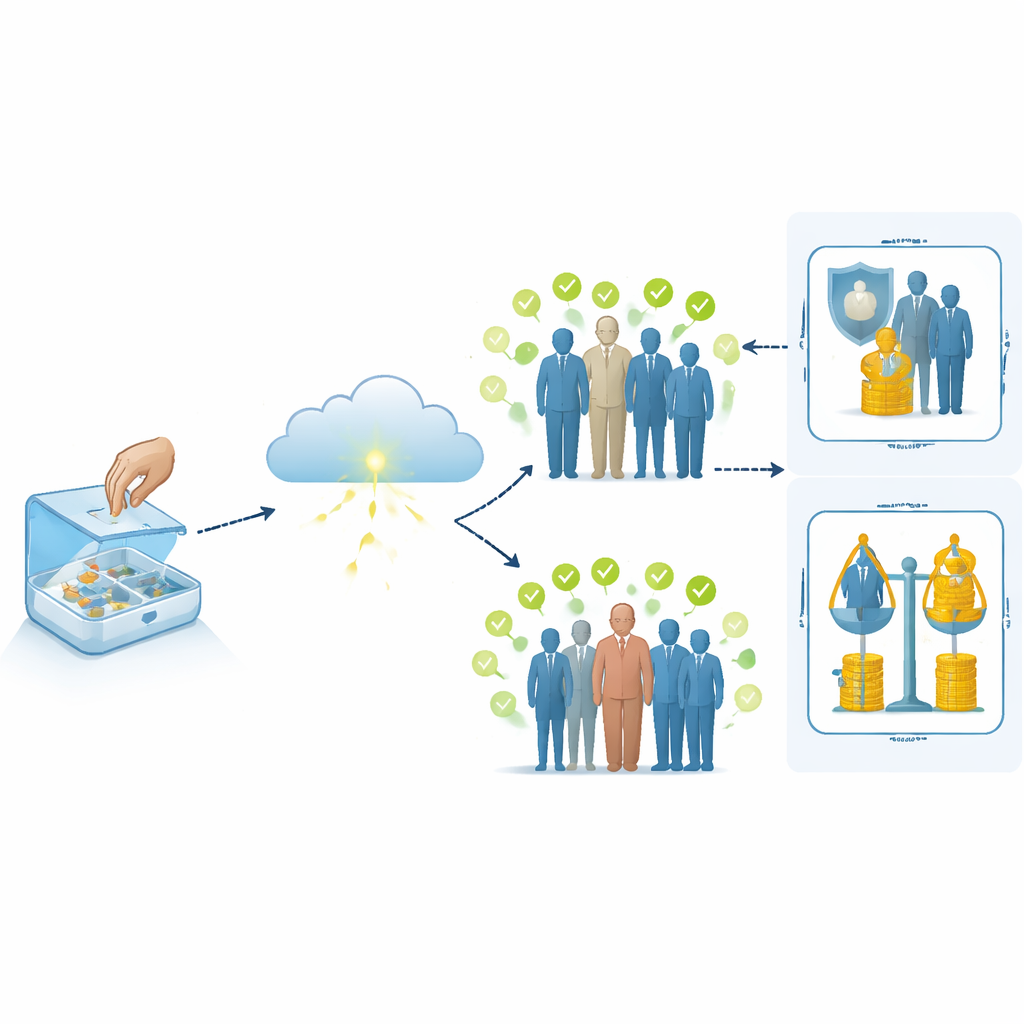
Participants using the smart pillbox had more days of adequate PrEP coverage and slightly better overall health quality than those receiving standard care alone. These gains came with higher costs, largely due to more medication use (because people actually took their pills) and added staff involvement. To judge whether the extra spending was worthwhile, the team calculated how much additional money was needed for each extra year of good-quality life gained. Across three viewpoints—health system, shared payer, and broader society—the added cost was around 19,600 to 19,800 US dollars per extra quality-adjusted life-year, below a commonly used benchmark based on China’s per capita income. When they looked at a more intuitive measure—the cost per extra day of good PrEP adherence—the figures were roughly 30 to 31 dollars, and simulations suggested a very high probability that the intervention was cost-effective at realistic willingness-to-pay levels.
Why Social Vulnerability Matters
A key insight came from dividing participants into two groups based on social vulnerability, using factors such as low education, low income, and unstable relationships. The smart pillbox was clearly more cost-effective for the more vulnerable group, with about one-third lower cost per quality-adjusted life-year gained compared with less vulnerable participants. In other words, the people facing the greatest barriers to consistent pill taking benefitted the most from the technology. Importantly, those who were less vulnerable did not gain enough extra benefit to widen inequalities. This pattern suggests that well-designed digital tools can act as “equity devices,” channeling limited resources toward those who stand to gain the most in both health and economic terms.
What This Means for Future HIV Prevention Efforts
The study shows that in a real-world PrEP program, a modest smart pillbox—designed to work offline, minimize user effort, and trigger human support when needed—can improve adherence at a cost that appears acceptable for a middle-income country like China. The strongest payoff comes when the technology is directed toward people living with greater social and economic challenges, turning structural disadvantages into a focus for tailored support rather than a reason for exclusion. While the authors caution that long-term and cross-country testing is still needed, their findings point toward a future where simple, durable devices help ensure that the promise of HIV prevention pills is realized not just in clinical trials, but in the everyday lives of those most at risk.
Citation: Wu, ZH., Chu, ZX., Meng, YL. et al. Cost-effectiveness of a smart pillbox intervention for adherence to oral HIV pre-exposure prophylaxis. Nat Commun 17, 2106 (2026). https://doi.org/10.1038/s41467-026-68970-8
Keywords: HIV prevention, PrEP adherence, digital health, cost-effectiveness, smart pillbox