Clear Sky Science · en
Dalpicilib combined with cetuximab in patients with HPV-negative, anti-PD-1-resistant recurrent or metastatic head and neck squamous cell carcinoma: A phase II trial
New Hope for a Hard-to-Treat Throat Cancer
For people with advanced head and neck cancer, treatment options can run out quickly, especially after powerful immunotherapy drugs stop working. This study tested a new drug pairing designed to slow cancer cell growth and block crucial signals on their surface. The results suggest that this combination may give many patients more time and better control over their disease, with side effects that are generally manageable.

Why These Cancers Are So Difficult
Head and neck squamous cell carcinoma is a group of cancers that often affects the mouth and throat. When it is not linked to human papillomavirus (HPV), it tends to behave more aggressively and respond poorly to modern immunotherapy. Many patients now receive drugs that target the PD-1 “brake” on immune cells as their first treatment for advanced disease. But once the cancer stops responding to these drugs, survival is typically short, and the usual next-step treatments help only a small fraction of people.
A Targeted One-Two Punch
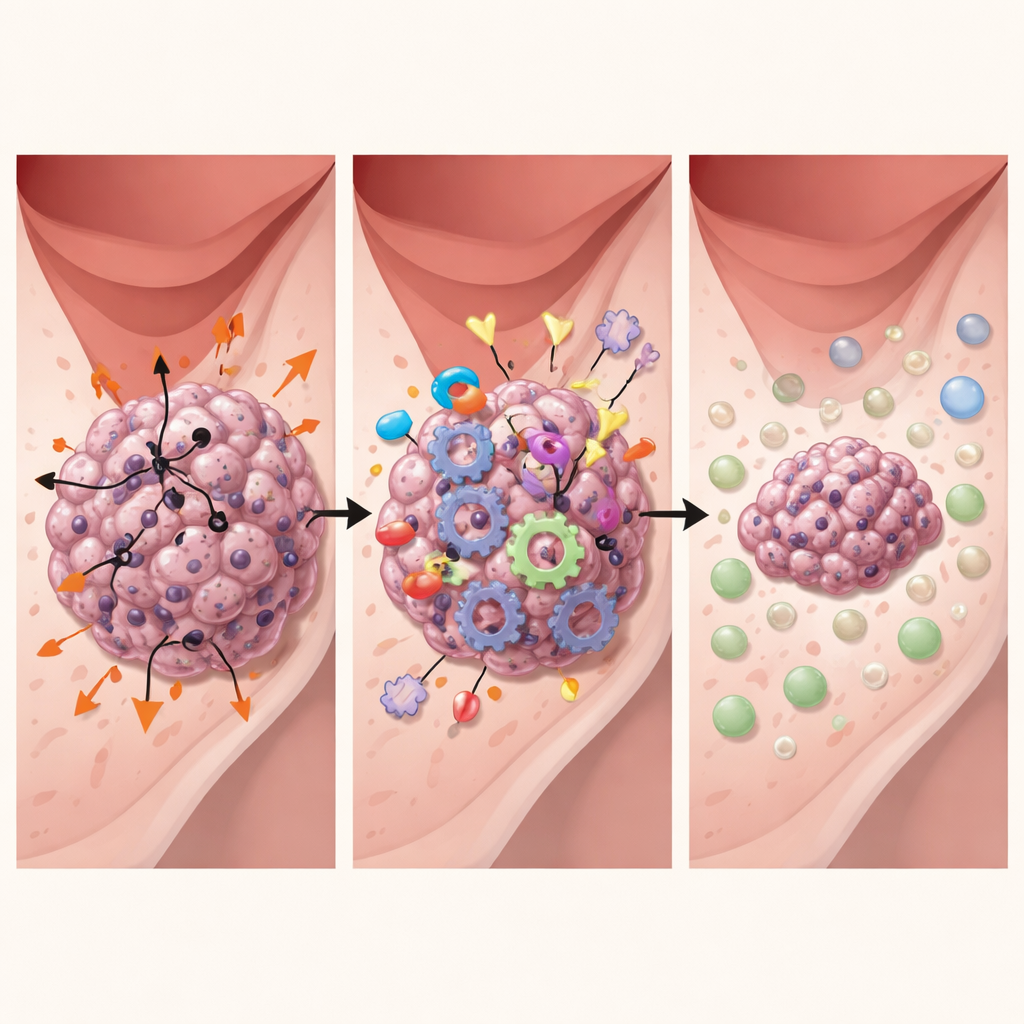
The researchers focused on two weaknesses of these tumors. First, many HPV-negative cancers have an overactive internal engine that drives cells through the division cycle too quickly. Dalpiciclib is a pill that specifically slows this growth engine by blocking proteins known as CDK4 and CDK6. Second, most of these cancers carry high levels of a surface molecule called EGFR, which helps them receive growth signals. Cetuximab is an antibody given by infusion that latches onto EGFR and disrupts those signals. The idea was that using both drugs together might shut down cancer growth more effectively than either one alone, especially after immunotherapy has failed.
How the Study Was Done
This early-phase trial enrolled 28 adults in China with recurrent or metastatic, HPV-negative head and neck cancer that had already resisted PD-1–based immunotherapy. None had received cetuximab before. Participants took dalpiciclib by mouth for three weeks out of every four, and received weekly cetuximab infusions. Doctors closely tracked how their tumors changed on scans, how long the disease stayed under control, and how long patients lived. They also monitored blood counts and other tests to watch for side effects, and in many cases examined tumor samples for genetic changes and immune features.
Stronger Responses and Manageable Side Effects
The results were striking compared with standard second-line care. Nearly seven out of ten patients saw their tumors shrink noticeably, and overall, almost nine in ten had at least some reduction in measurable tumor size. On average, the cancer did not worsen for about seven months, and half of the patients were still alive at 17 months—figures that are substantially better than those seen with cetuximab alone or with many chemotherapy-based regimens after immunotherapy. All patients experienced some treatment-related side effects, most often drops in white blood cells and acne-like skin rashes. However, these problems were usually mild to moderate, improved with supportive care or dose adjustments, and no life-threatening treatment reactions were reported.
Clues from Tumor DNA and the Immune System
By examining tumor genetics, the team identified common mutations in genes already known to be important in head and neck cancer, including TP53 and TERT. Interestingly, patients whose tumors carried certain changes in the CDK4 pathway—such as deletions in the CDKN2A gene or extra copies of CCND1—tended to do worse on the drug combination. Other alterations in genes linked to cell signaling and calcium channels appeared more often in non-responders, hinting at possible markers of resistance. Blood tests showed that patients who benefited from treatment often had an increase in lymphocytes, a type of white blood cell important for immune defense. A few patients who first responded to the dalpiciclib–cetuximab combination later responded again when PD-1 immunotherapy was reintroduced, raising the possibility that this strategy might help “reawaken” the immune system’s attack on the tumor.
What This Could Mean for Patients
For people with HPV-negative head and neck cancer that has already outsmarted immunotherapy, the outlook has historically been grim. This study suggests that pairing dalpiciclib with cetuximab may offer a substantially better chance of shrinking tumors and extending life, without adding intolerable side effects. Because the trial was relatively small and had no direct comparison group, larger, randomized studies are needed to confirm the benefits and to refine which patients are most likely to respond. Still, these findings point toward a promising new treatment path and hint that carefully chosen drug combinations can both slow cancer growth and make future immunotherapy work again.
Citation: Ju, H., Wu, Y., Shi, C. et al. Dalpicilib combined with cetuximab in patients with HPV-negative, anti-PD-1-resistant recurrent or metastatic head and neck squamous cell carcinoma: A phase II trial. Nat Commun 17, 2091 (2026). https://doi.org/10.1038/s41467-026-68736-2
Keywords: head and neck cancer, immunotherapy resistance, targeted therapy, clinical trial, combination treatment