Clear Sky Science · en
Olutasidenib in recurrent/relapsed locally advanced or metastatic IDH1-mutated chondrosarcoma: phase 1b/2 trial
New Hope for a Rare Bone Cancer
For people diagnosed with chondrosarcoma, a rare bone cancer, treatment choices are painfully limited and often do little to slow the disease once it spreads. This study explores whether a highly targeted pill called olutasidenib can help keep these tumors in check for longer, especially in patients whose cancers share a specific genetic change. The findings will interest anyone following advances in precision medicine, where drugs are designed to home in on weaknesses unique to a tumor.
Understanding This Uncommon Cancer
Chondrosarcoma is a malignant tumor that forms in cartilage, the smooth tissue that cushions our joints and lines parts of our bones. While it is not as common as many other cancers, it accounts for about one in five primary bone cancers and is notoriously difficult to treat once it becomes advanced or spreads. Surgery can often remove tumors that are still confined to one area, but standard chemotherapy and radiation have shown only modest benefit in most patients. As a result, people with advanced or metastatic chondrosarcoma commonly face poor outcomes and few meaningful options beyond symptom relief.
A Genetic Weak Spot and a Tailor-Made Drug
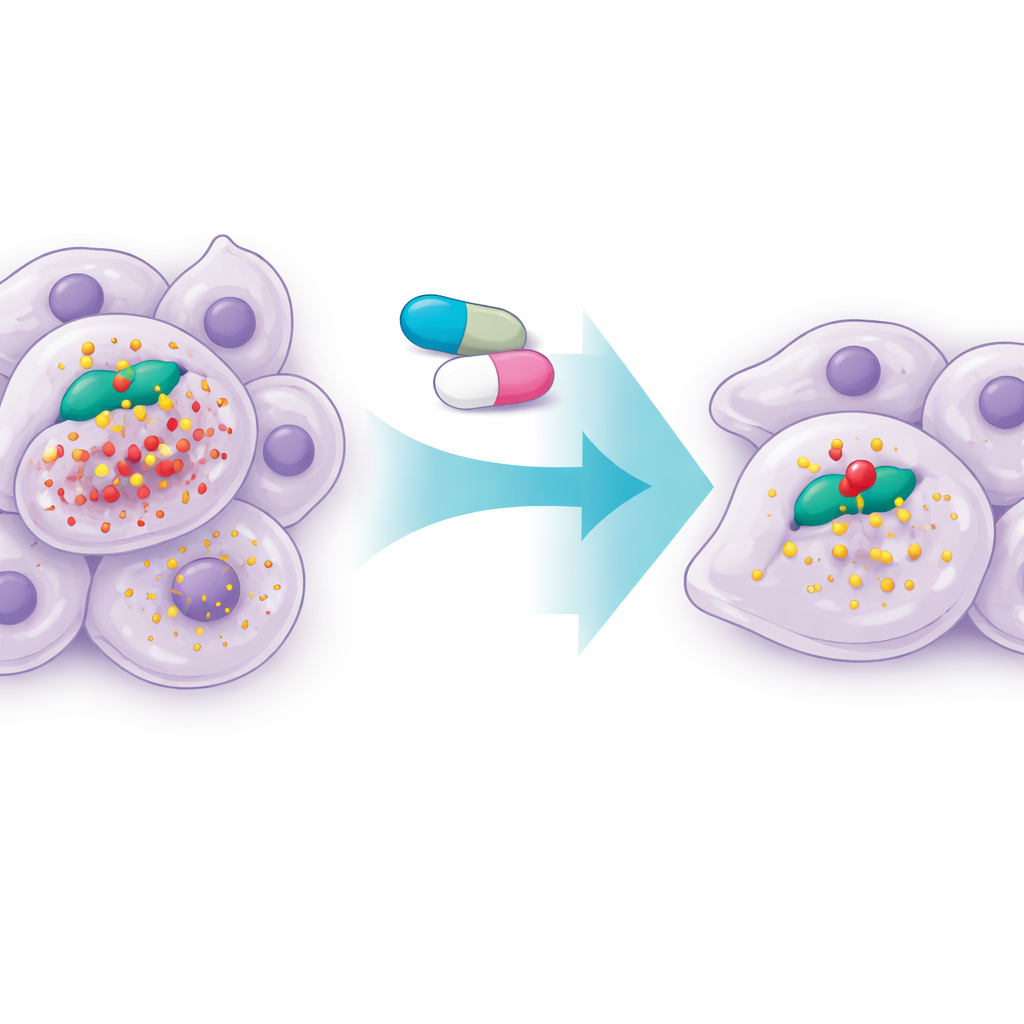
Many chondrosarcomas carry changes in a gene called IDH1, which alters how tumor cells handle certain small molecules inside the cell and produces a byproduct that can fuel cancer growth. Olutasidenib is a pill that has been designed to latch onto the altered IDH1 protein while largely sparing the normal version. By doing so, it aims to block production of the harmful byproduct without disrupting the everyday chemistry of healthy cells. This targeted strategy has already shown promise in a blood cancer, acute myeloid leukemia, leading researchers to test whether the same approach might bring benefit to patients with IDH1-mutated chondrosarcoma.
What the Trial Did and Who Took Part
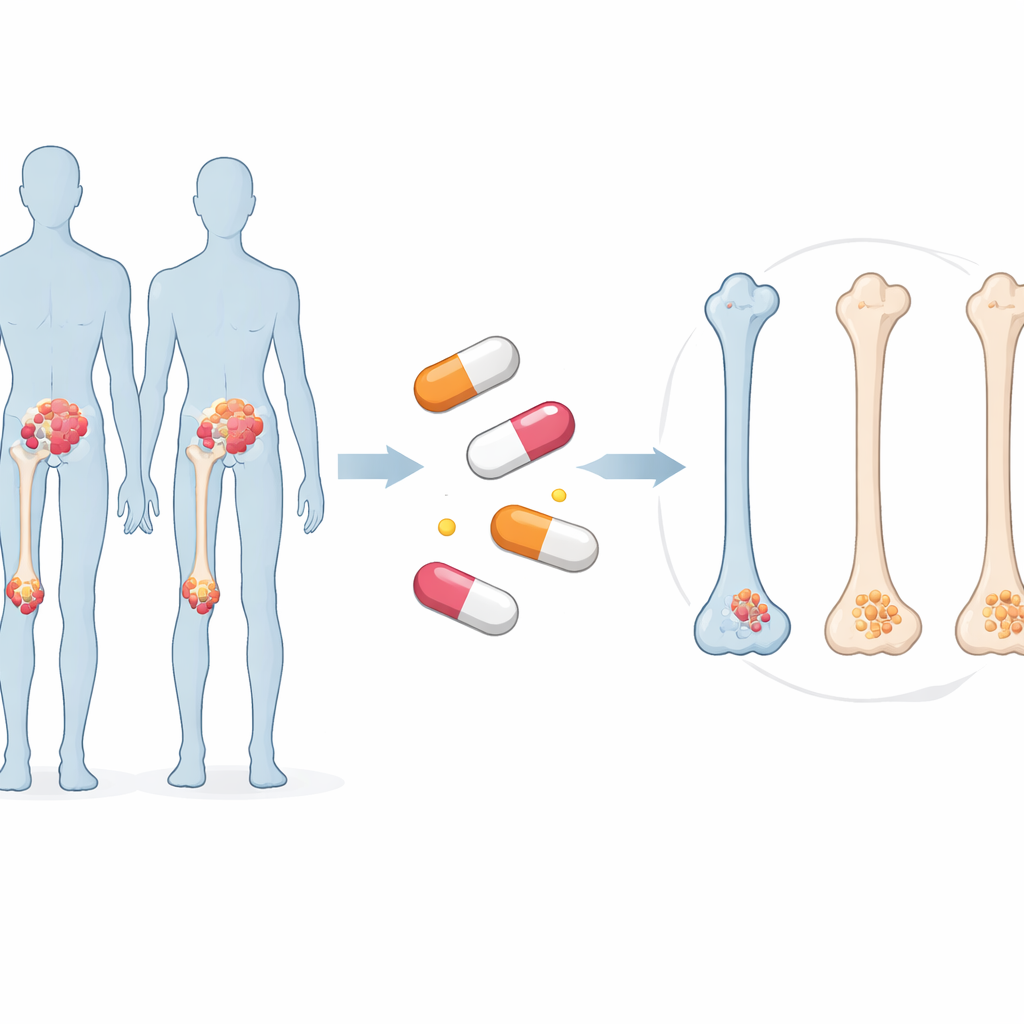
In this phase 1b/2 clinical trial, 23 adults with locally advanced or metastatic chondrosarcoma carrying an IDH1 mutation received olutasidenib capsules twice a day. Most had the conventional form of the disease, and nearly all had already undergone surgery and radiation; many had tried at least one prior drug treatment that had failed. The main goal was to see whether tumors would shrink or at least stop growing, and for how long. Researchers also measured how long patients lived after starting the drug, how the medicine moved and acted in the body, and what side effects occurred.
Slowing Growth Rather Than Shrinking Tumors
No patient in the study experienced clear tumor shrinkage by standard imaging criteria, but more than half of those whose responses could be evaluated had stable disease, meaning their tumors stopped growing for a period of time. In the overall group, cancer growth was held in check for a median of about two months, and patients lived a median of 16 months after starting treatment. The picture was somewhat better in the common conventional subtype: these patients saw a median of three and a half months without progression and a median overall survival of 19 months, with many living at least a year and a half when their disease remained stable. In several individuals, treatment continued for well over a year, and one patient remained on olutasidenib for more than four years with disease still under control.
How the Drug Behaved and Its Side Effects
Blood tests showed that olutasidenib reached steady levels in the bloodstream and substantially lowered amounts of the abnormal small molecule linked to the mutant IDH1 enzyme, confirming that the drug was hitting its intended target. Most participants reported some treatment-emergent side effects, which is common in cancer trials. The most frequent were nausea, loss of appetite, fatigue, constipation, and increases in liver enzyme levels on lab tests. Serious treatment-related problems did occur but were manageable, and importantly, no dose-limiting toxicities were seen. Many patients were able to remain on therapy even after scans showed some tumor growth if they still seemed to be feeling clinical benefit.
What This Means for Patients
For people facing advanced chondrosarcoma, where options are scarce and cures are unlikely, a drug that safely slows tumor growth can still matter a great deal. This trial suggests that olutasidenib, a pill tailored to a specific genetic change in the cancer, can offer disease control and extended survival for some patients, particularly those with the conventional form of the disease, while keeping side effects generally manageable. The study is small and lacked a comparison group, so the results must be confirmed in larger, more rigorous trials. Still, it points toward a future in which people with this rare bone cancer may finally have a targeted treatment designed with their tumor’s unique biology in mind.
Citation: Jones, R.L., Groisberg, R., Blay, JY. et al. Olutasidenib in recurrent/relapsed locally advanced or metastatic IDH1-mutated chondrosarcoma: phase 1b/2 trial. Nat Commun 17, 2224 (2026). https://doi.org/10.1038/s41467-026-68716-6
Keywords: chondrosarcoma, IDH1 mutation, targeted therapy, olutasidenib, bone cancer