Clear Sky Science · en
Aeromonas in South Asia: genomic insights into an environmental pathogen and reservoir of antimicrobial resistance
Why a water bug matters to people and fish
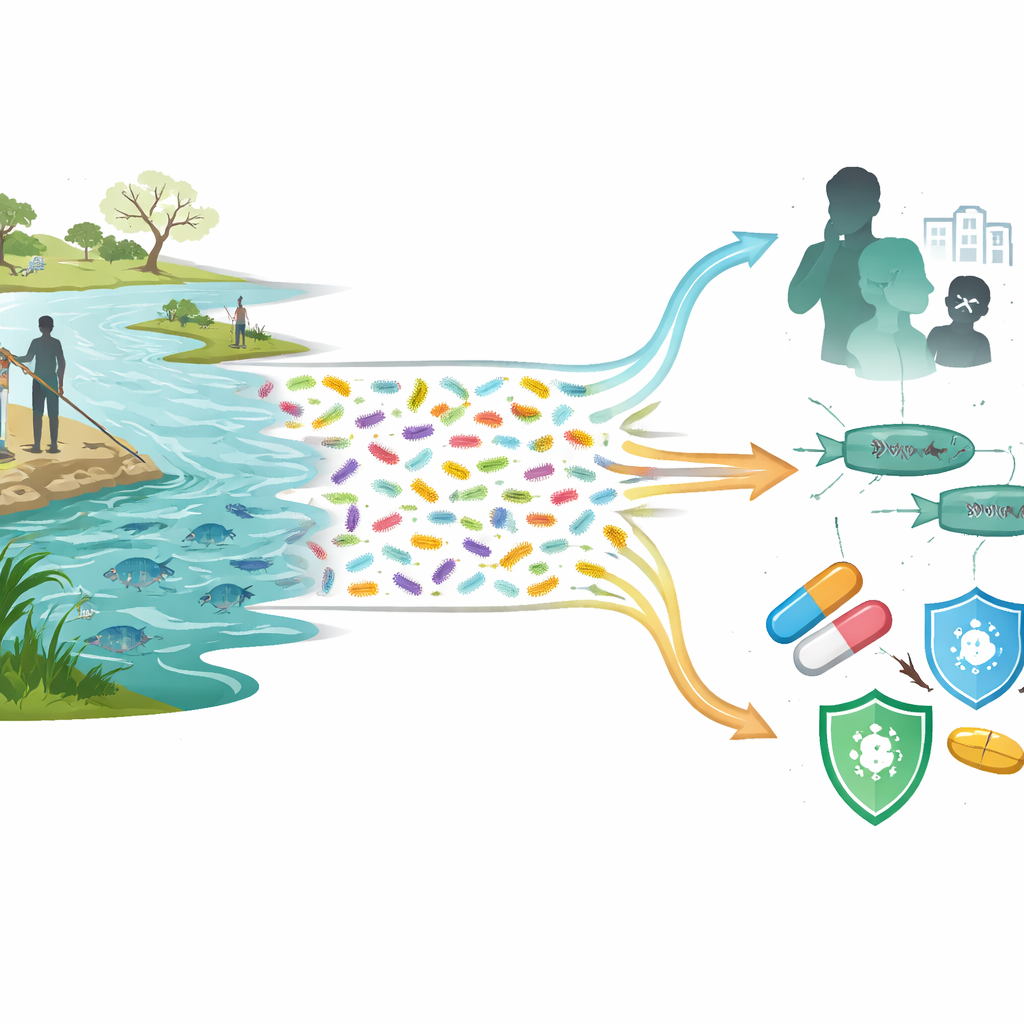
Aeromonas is a common water-dwelling bacterium found in rivers, ponds, lakes, and even drinking water. For years it has lurked in the background, overshadowed by better-known germs like the cholera bacterium. This study reveals that Aeromonas is not only an underappreciated cause of human and animal illness, but also a major hidden reservoir of genes that make bacteria resistant to important antibiotics. Understanding this microbe helps explain how unsafe water can quietly fuel hard‑to‑treat infections in both people and aquatic life.
Many species hiding in plain sight
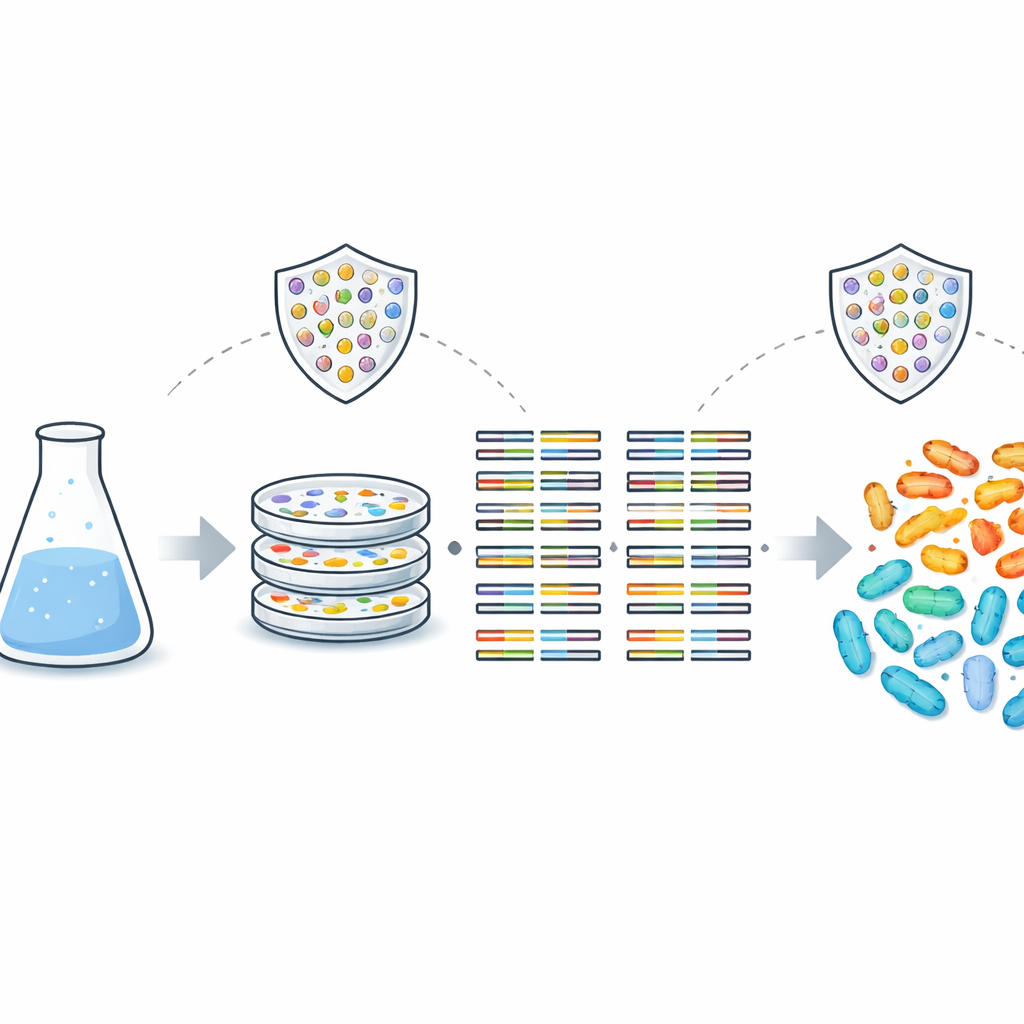
The researchers assembled and analyzed the genomes of 1,853 Aeromonas bacteria from around the world, focusing on nearly a thousand newly sequenced samples from Bangladesh and India. These came from both human patients and environmental sources such as rivers, ponds, drains, and drinking water. By comparing thousands of shared genes, they found that the genus Aeromonas is highly diverse, with at least 28 distinct species and more than 900 previously unknown genetic lineages. Importantly, samples from sick people did not cluster in a separate genetic branch from those found in water or animals. This suggests that the same strains circulating in the environment can opportunistically infect humans rather than belonging to a uniquely “human” subset.
Shared strains across countries and habitats
Within South Asia, several Aeromonas species turned up again and again in both clinical and environmental samples. A. caviae and A. veronii were especially common, alongside A. dhakensis, A. enteropelogenes, and A. hydrophila. Although some local patterns emerged—such as A. veronii dominating water samples in northern India and A. caviae being more common in diarrheal cases in Pakistan—the same species frequently appeared in rivers, ponds, fish, and human stool. When the team zoomed in on particular species, they saw that genetic subgroups usually contained a mix of environmental and clinical isolates. This blending supports the idea that human infections are closely tied to exposure to contaminated water rather than a specialized disease‑only lineage.
Virulence and resistance spread across the family
The scientists then asked whether specific genetic tools for causing disease or resisting drugs were tied to particular settings. They screened each genome for known “virulence” genes that help bacteria stick to cells, form biofilms, move with flagella, or secrete toxins. These genes formed patterns that mostly followed species identity, not whether the sample came from a patient or from the environment. In other words, waterborne strains already carry many of the same disease‑related genes found in clinical isolates. The team also catalogued 162 different antibiotic resistance genes, spanning 16 drug classes. Nearly all genomes harbored genes that can inactivate beta‑lactam antibiotics, a broad group that includes many front‑line treatments. Worryingly, they found mobile colistin resistance genes—linked to last‑resort therapy—in multiple Aeromonas species across several continents.
Water as a reservoir for tough infections
Comparing strains from Bangladesh, India, and Pakistan revealed striking regional differences in the blend of resistance genes, but a common theme: environmental water samples frequently carried a wide variety of resistance factors, sometimes more diverse than those in clinical strains of the same species. Many of the same resistance genes appeared in both settings, underscoring that rivers, ponds, and wastewater can act as training grounds where bacteria acquire and exchange genetic defenses. At the same time, clinical strains often showed higher overall levels of resistance, reflecting intense antibiotic use in hospitals. The study also documented that Aeromonas is often mistaken for the cholera bacterium when grown on standard lab media, particularly in environmental surveillance, which can distort estimates of Vibrio cholerae in cholera‑prone regions.
What this means for health and the environment
To a non‑specialist, the take‑home message is that Aeromonas is a common water bacterium that can cause diarrhea and serious infections, but its real importance may lie in the company it keeps: powerful genes that blunt the effect of key antibiotics. These genes are widely shared between strains in surface water, fish, and human patients, meaning that polluted waterways can quietly stockpile and shuffle resistance traits that later show up in hospitals. The authors argue that Aeromonas should be treated as an environmental “sentinel” in One Health surveillance—linking human, animal, and ecosystem health—and that modern genomic tools are needed to correctly identify it and monitor the spread of antibiotic resistance through our water systems.
Citation: Singh, N., Golicha, R.O., Thakur, C. et al. Aeromonas in South Asia: genomic insights into an environmental pathogen and reservoir of antimicrobial resistance. Nat Commun 17, 2214 (2026). https://doi.org/10.1038/s41467-026-68712-w
Keywords: Aeromonas, antimicrobial resistance, waterborne bacteria, cholera-like diarrhea, One Health