Clear Sky Science · en
ZFP57 is a regulator of postnatal growth and life-long health
How early milk shapes lifelong health
What happens in the first days of life can echo for decades. This study shows that a single maternal protein, called ZFP57, helps determine how well the mammary gland develops, what goes into breastmilk, and how offspring grow and handle energy for the rest of their lives. By tracing this protein’s influence from pregnant mother to nursing pups, the researchers reveal a hidden genetic layer beneath the well-known benefits of early nutrition.
A guardian of growth before and after birth
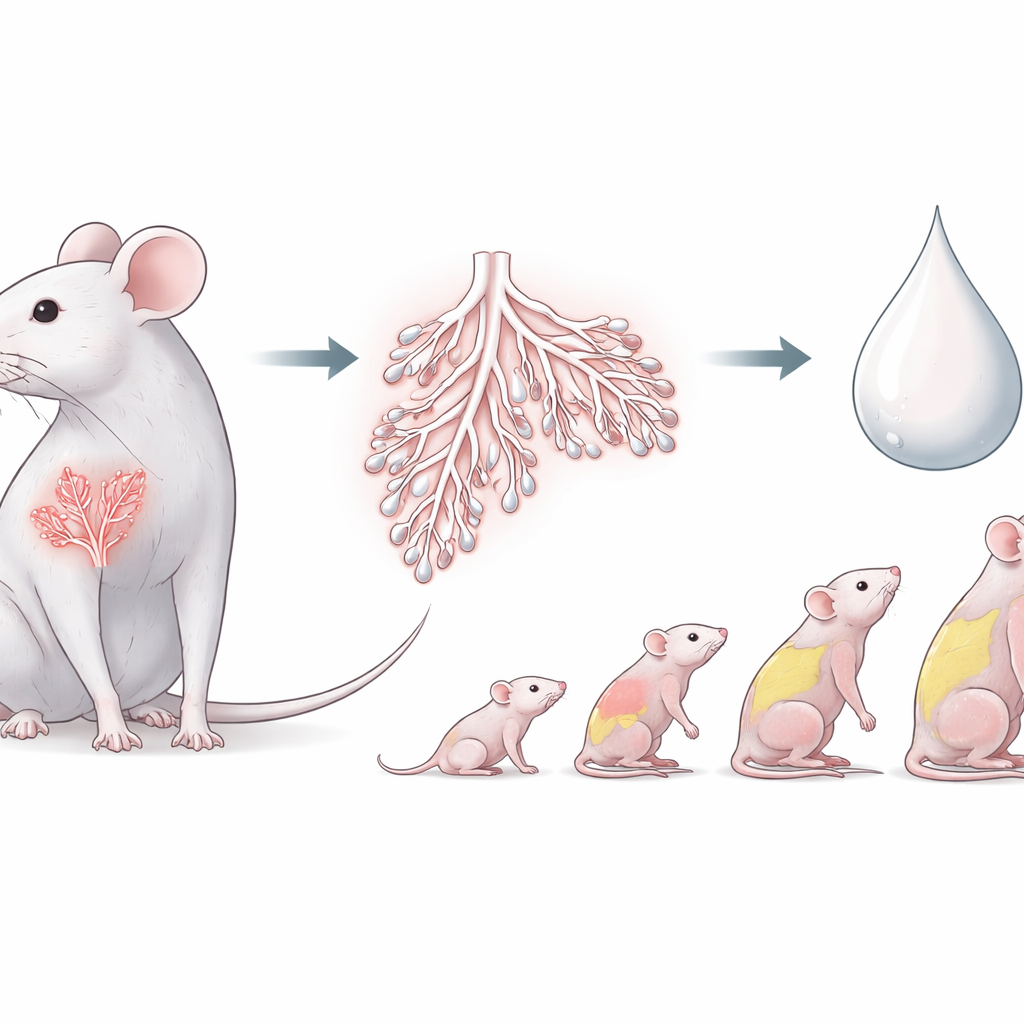
ZFP57 was already known as a key regulator of "genomic imprinting," a chemical marking system that tells certain genes whether they came from the mother or father. These marks are crucial for normal growth before birth. The new work asks whether ZFP57 also matters later, after delivery, when mothers feed their young through milk. Using mice, the authors show that ZFP57 is active not only in embryos and the placenta, but also in adult tissues, including the brain and mammary gland. This suggests that the same molecule helping control fetal growth may also help manage postnatal nutrition.
How the mother’s gland is wired for feeding
The team examined mammary glands from normal and Zfp57-deficient female mice across key stages: before pregnancy, during gestation, and early lactation. They sorted different cell types and read out thousands of gene activity levels. While overall gland development still proceeded, the fine details were off when ZFP57 was missing. Before pregnancy, mutant glands showed unusually dense branching and early activation of genes normally turned on later to prepare for milk production. During gestation, the pattern flipped: branches and milk-related gene activity dropped, and many cells underwent programmed cell death. These changes disrupted the balance between cell types that build and maintain a healthy milk-producing organ.
Milk quality, growth patterns, and mismatched mothers
These structural and molecular shifts translated into altered milk and altered pups. Zfp57-deficient mothers produced milk with higher levels of oxidized fats and lower levels of certain phospholipids that help package lipids into droplets. Pups nursed by these mothers, regardless of their own genotype, initially grew more slowly and some failed to thrive. Yet one offspring group, carrying a specific Zfp57 mutation and developed in Zfp57-deficient wombs, responded very differently: despite early suckling problems and delayed visible milk intake, they gained excessive weight during lactation. Cross-fostering experiments, in which newborns were swapped between mothers of different genotypes, revealed that growth was best when the genetic background of the nursing mother matched the conditions experienced in the womb. When pups adapted to one maternal environment were nursed by a genetically different mother, their growth and metabolism were often pushed toward extremes.
From early feeding to adult metabolism
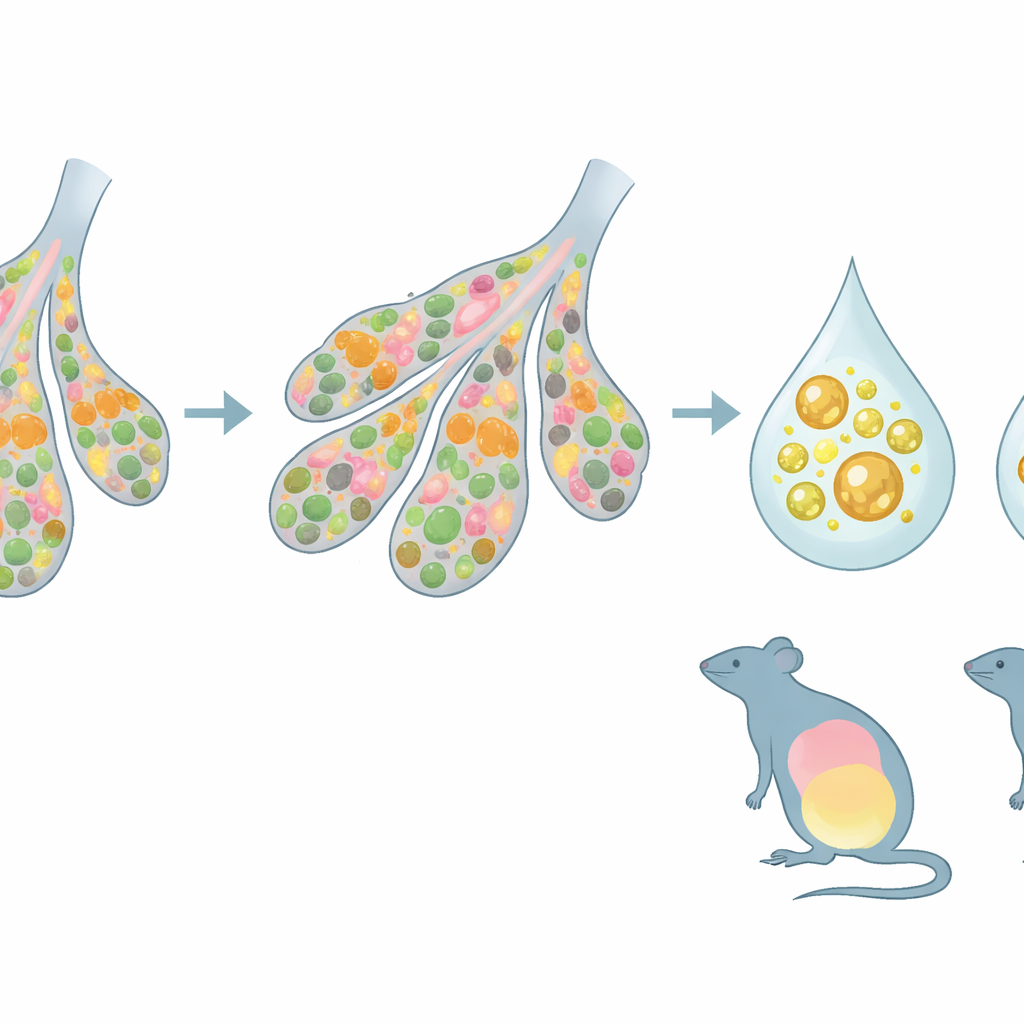
The story did not end at weaning. The researchers followed mice for six months, the rough equivalent of human early adulthood. Offspring that had developed in Zfp57-deficient mothers and carried the altered Zfp57 copy themselves showed lasting changes: greater body fat, lower lean mass, and a stronger reliance on burning fat rather than carbohydrates, even on the same standard diet as controls. Some also cleared sugar from the blood less efficiently, a hallmark of poor glucose tolerance linked to metabolic syndrome. Notably, these long-term problems were worst when such pups were cross-fostered to normal mothers, highlighting how a mismatch between prenatal environment and postnatal nutrition can lock in unhealthy trajectories.
Why this matters for human health
By uncovering a role for ZFP57 in shaping mammary gland function and milk composition, independent of its classic imprinting duties, this work links a maternal gene to both pre- and postnatal resource control. It supports the idea that mothers and offspring are genetically co-adapted: the womb environment and the milk supply are tuned to each other, and breaking that match can have lasting costs. While the study was done in mice, ZFP57 is also important in humans, where mutations are tied to early-life metabolic problems. The findings suggest that some lifelong risks for obesity and diabetes may arise not only from diet itself, but from how our genes set up early nutrition and how well prenatal and postnatal environments align.
Citation: Hanin, G., AlSulaiti, B., Costello, K.R. et al. ZFP57 is a regulator of postnatal growth and life-long health. Nat Commun 17, 2080 (2026). https://doi.org/10.1038/s41467-026-68608-9
Keywords: early-life nutrition, epigenetics, mammary gland, metabolic health, genomic imprinting