Clear Sky Science · en
Advances in biomonitoring technologies for women’s health
Why Body-Tracking Tech Matters for Women
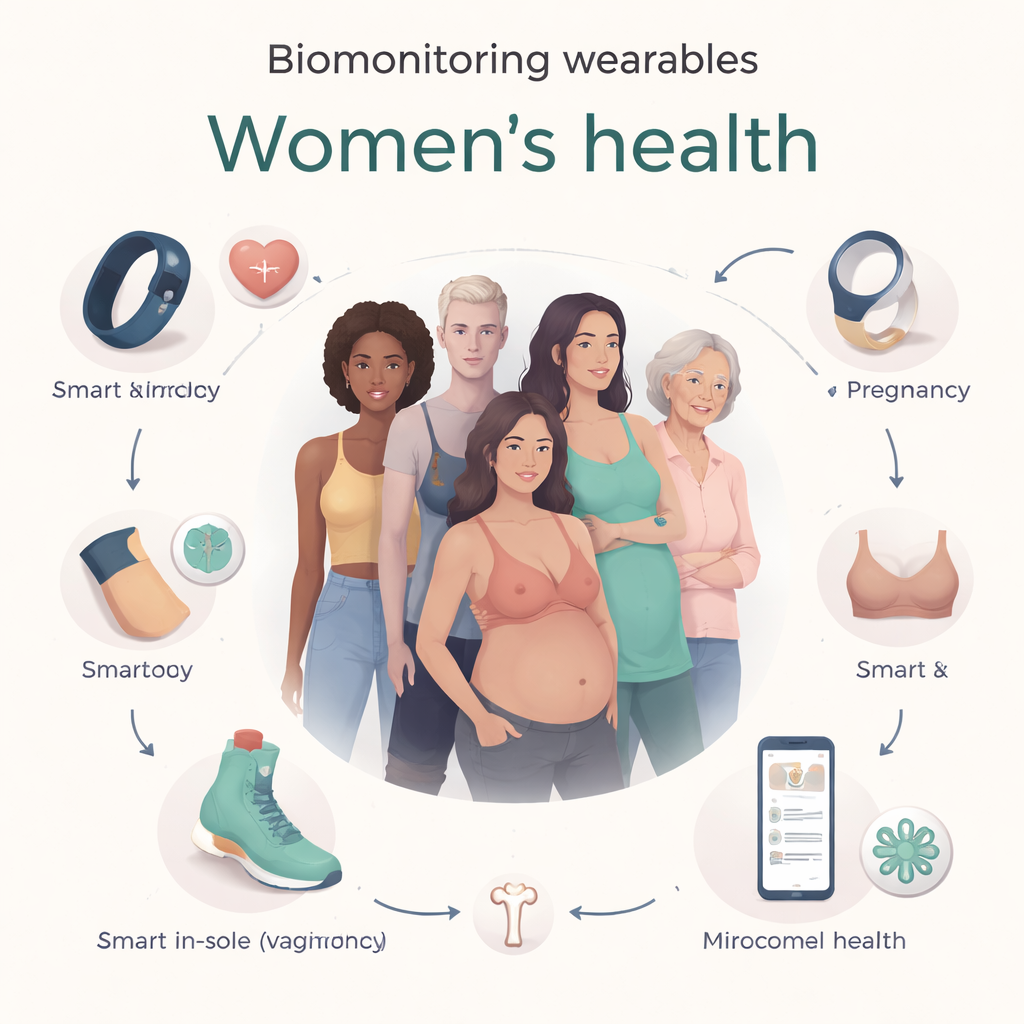
Many women and transgender people still struggle to get the care, data and tools they need to understand their own bodies. This article explores a new wave of health technologies—wearable sensors, smart clothing and portable tests—that quietly monitor the body over hours, days or months. By turning everyday objects like bras, shoes or tampons into health devices, these tools aim to catch problems earlier, reduce clinic visits and make reliable care more accessible, especially for those who have historically been overlooked.
Health Gaps That Technology Can Help Close
For decades, medicine has centered on cisgender men: most lab cells, animal models and clinical trial participants have been male. As a result, conditions that mainly affect women—such as endometriosis, vaginitis, osteoporosis and some cancers—are underfunded and understudied. Many women lack insurance or nearby clinics, particularly in low-resource communities. The review argues that personal, affordable technologies can help fill this gap by generating continuous, sex-specific data instead of relying on one-time tests designed around male biology.
Wearables for Cycles, Pregnancy and Everyday Hormones
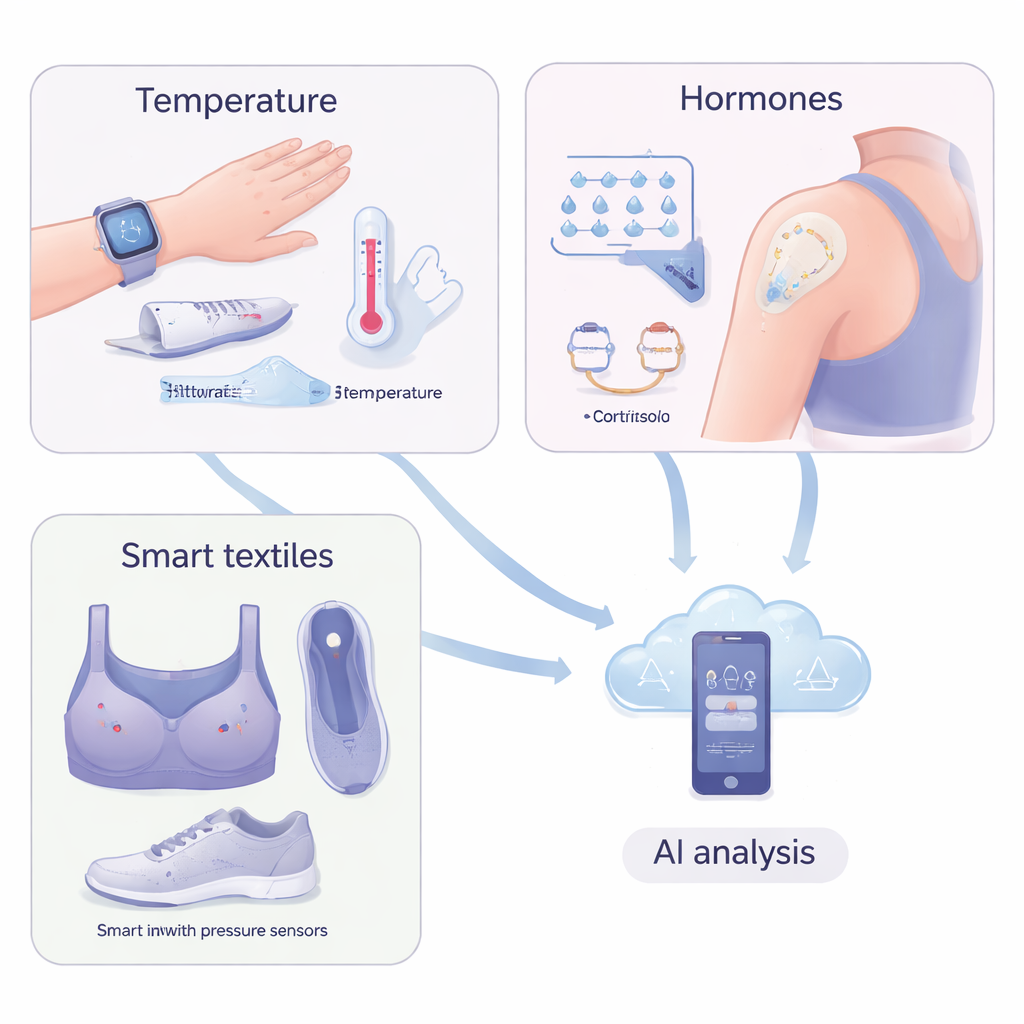
A major focus of the article is on wearable devices that track basic body signals linked to fertility and pregnancy. Wristbands and small intravaginal sensors measure tiny night‑time temperature shifts that signal ovulation, while smart textiles and soft abdominal patches can pick up heart rate, uterine contractions, sleep patterns and breathing throughout pregnancy. For gestational diabetes, continuous glucose monitors and activity trackers log movement, blood sugar and sleep, which can be reviewed on mobile health apps. New skin patches and sweat-sampling devices go a step further by measuring hormones such as estradiol and cortisol non‑invasively, opening the door to at‑home tracking of menstrual cycles, stress, bone health and pregnancy‑related changes.
Smart Fabrics, Imaging Patches and Vaginal Health Sensors
Beyond basic vitals, engineers are shrinking hospital imaging machines and lab tests into everyday materials. Smart bras and textile antennas can scan breast tissue to spot unusual growths, while flexible ultrasound patches conform to the skin to look for tiny cysts long before they would be felt by hand. In shoes and clothing, embedded motion and pressure sensors analyze gait to flag bone weakness and fall risk in postmenopausal women. For vaginal health, researchers are embedding tiny pH and pathogen sensors into rings, underwear and tampons so that changes in acidity or specific microbes can be monitored discreetly at home, an important step for common but often stigmatized infections.
Portable Tests and Liquid Biopsies for Cancer and Infection
The review also highlights portable, paper‑like tests that can be used in clinics with few resources or even at home. Simple color‑changing strips and small cartridges can detect enzymes and DNA from vaginal infections, or measure cancer markers in urine, blood or saliva. Rather than relying only on single lab values, newer systems enrich rare cancer cells and tiny vesicles from body fluids, then use microchips and sensitive electrochemical readouts to look for multiple markers at once. These “liquid biopsies” may eventually allow earlier, less invasive screening for breast, cervical and ovarian cancers, especially in places where full imaging suites are not available.
AI, Inclusion and the Future of Self‑Monitoring
To make sense of the flood of new data from skin patches, smart textiles and mobile tests, researchers are turning to artificial intelligence. Algorithms can spot patterns in temperature, hormones, movement or microbiome changes that might predict preterm birth, gestational diabetes, vaginal infections or cancer progression before symptoms become severe. But the article stresses that these tools must be trained on diverse, unbiased data that include cisgender women, transgender people and women from many cultures and income levels. Without this, AI risks repeating the very biases it aims to remove.
Bringing High‑Tech Care Down to Earth
Overall, the article concludes that biomonitoring technologies could transform women’s health by moving care from rare clinic visits to continuous, everyday tracking. When combined with fair insurance coverage, thoughtful design for different ages, bodies and identities, and robust AI support for interpreting results, these tools could help catch cancers earlier, manage pregnancy and bone health more safely, and give women and transgender people greater control over their own health decisions in practical, affordable ways.
Citation: Moghimikandelousi, S., Najm, L., Lee, Y. et al. Advances in biomonitoring technologies for women’s health. Nat Commun 16, 8507 (2025). https://doi.org/10.1038/s41467-025-63501-3
Keywords: women's health wearables, fertility tracking, vaginal health sensors, portable cancer diagnostics, AI in biomonitoring