Clear Sky Science · en
School-based screening for high blood pressure in children and adolescents: a systematic scoping review
Why checking kids’ blood pressure at school matters
High blood pressure is often seen as a problem for older adults, but it can start quietly in childhood and lay the groundwork for heart and blood vessel disease later in life. Doctor’s offices are supposed to catch early warning signs, yet many children are not routinely checked there. This review explores whether schools—places nearly all children attend—could provide a practical way to spot high blood pressure early, and what stands in the way of doing this well.
Looking for answers in school health programs
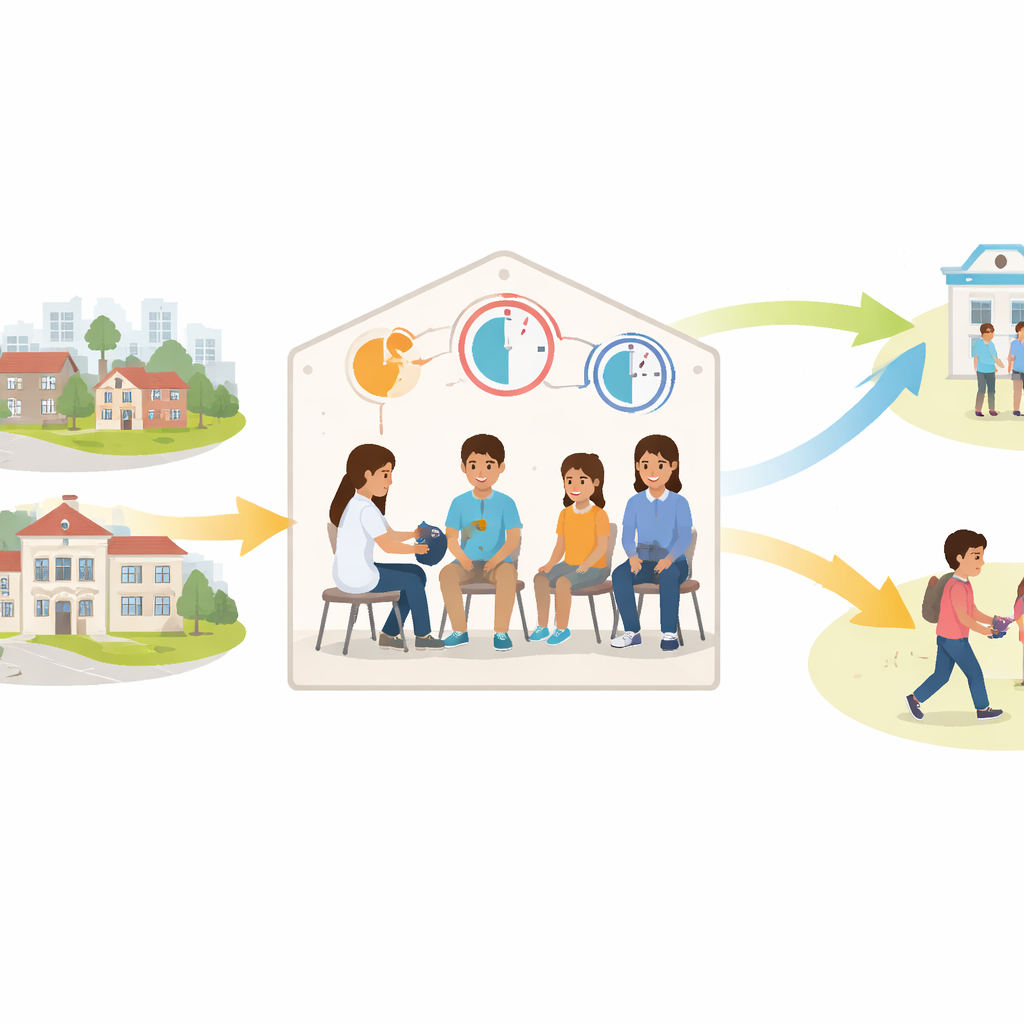
The authors combed through more than a decade of medical research to find studies where children’s blood pressure was measured at school with the goal of identifying individual students who might have hypertension, not just to describe population trends. Out of 112 eligible papers from 11 countries, only 17 actually used school blood pressure checks as a true screening tool meant to trigger medical follow-up. These programs took place in primary, middle, and secondary schools across low-, middle-, and high-income nations, showing broad interest but surprisingly thin evidence on how best to run such programs.
Many ways to measure, few clear standards
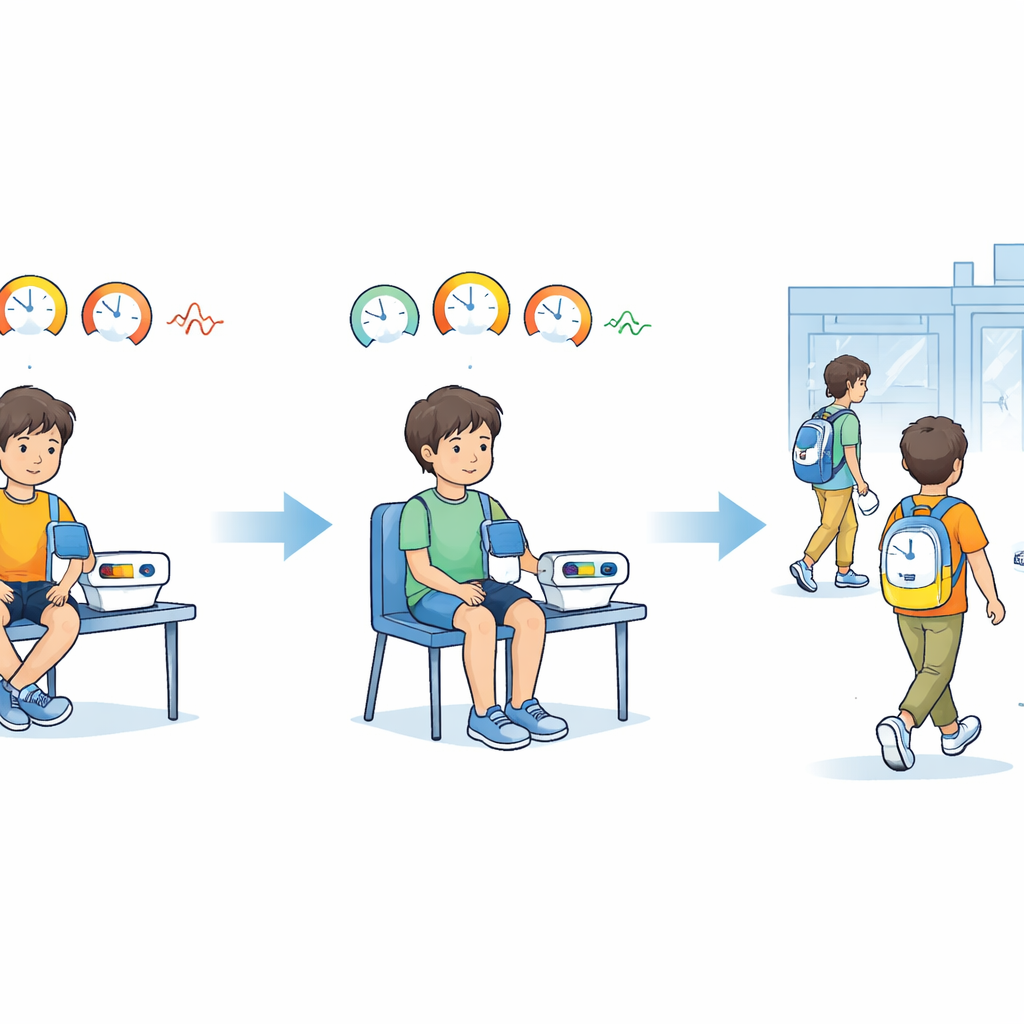
The review found striking differences in how blood pressure was measured from one school program to another. Most relied on automatic machines, while a smaller share used the traditional stethoscope-based method or used both—automatic first, then manual to confirm high readings. Some studies had children rest before the reading; others did not say. The number of measurements varied widely, from a single quick reading to several readings across multiple days. Even basic details like which arm was used, how students were seated, and whether they were asked to stay quiet were often missing or inconsistent. Only a handful of programs came close to following professional guidelines that call for careful positioning, repeated readings, and, in some cases, 24‑hour monitoring to confirm a diagnosis.
How much testing belongs in schools versus clinics?
One of the biggest questions raised by the review is how far schools should go in the multi-step process of diagnosing high blood pressure. Doing everything at school—multiple visits, repeated careful readings, and round‑the‑clock monitoring—might be more accurate, but it would be demanding for school staff and resources. At the other extreme, taking a single quick reading and sending any child with a high value to a clinic is easier for schools, yet risks flagging many children who are actually fine, overwhelming families and health services. The authors suggest that a “middle ground” may be best: for example, taking several readings over two school visits, then leaving more advanced testing and treatment decisions to healthcare providers.
Making blood pressure checks workable and comfortable
Beyond the technical details of how to measure blood pressure, the review also looked for ideas on how to make school screening acceptable and sustainable. A few studies emphasized working closely with parents, students, and school leaders through letters and discussions. Others built in short lessons on healthy lifestyle habits, turning screening days into teachable moments. Some tried to reduce children’s anxiety by letting them get used to the equipment ahead of time or by having staff wear casual clothing. However, these implementation strategies were rarely tested or described in depth, leaving big gaps in our understanding of what truly helps such programs succeed in real schools.
What this means for children’s health
Overall, the article concludes that checking blood pressure in schools could be a powerful way to catch high blood pressure early in children and teenagers, when it is easiest to change course. But the existing studies are too inconsistent to point to one “right” way to do it. The authors argue that health experts, schools, and families need to work together to design and test a simple, standardized school protocol that balances accuracy with practicality and clearly connects school findings to the healthcare system. Until then, school-based screening remains a promising idea in need of careful planning rather than a ready-made solution.
Citation: Glenning, J.P., Sheeran, F., Quinlan, C. et al. School-based screening for high blood pressure in children and adolescents: a systematic scoping review. Hypertens Res 49, 1304–1314 (2026). https://doi.org/10.1038/s41440-025-02542-z
Keywords: school blood pressure screening, childhood hypertension, student health programs, early cardiovascular risk, blood pressure measurement