Clear Sky Science · en
Cumulative blood pressure exposure and cognition: the potential mediating role of brain volume
Why Blood Pressure Matters for Brain Health
Many people know that high blood pressure can harm the heart, but fewer realize that it can quietly reshape the brain and chip away at memory and thinking skills. This study followed more than a thousand adults over nearly 15 years to ask a simple but important question: does the total burden of raised blood pressure across adulthood change the structure of the brain and, in turn, how well people think? The findings suggest that keeping blood pressure in check over the long haul may help protect the brain from shrinkage and preserve everyday mental abilities.
Tracking Pressure Over the Years
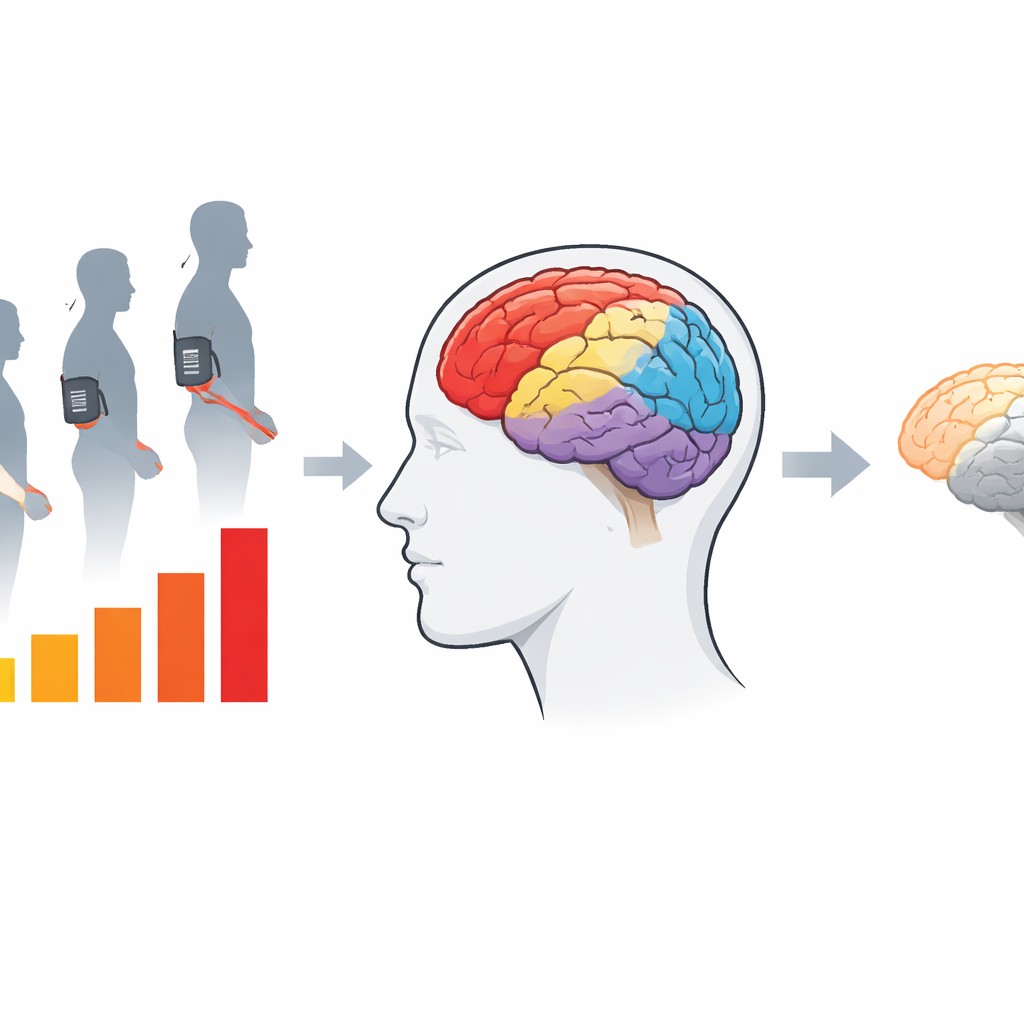
Instead of looking at a single blood pressure reading, the researchers focused on "cumulative" exposure—essentially, how high and for how long a person’s blood pressure stayed elevated across multiple checkups from 2006 to 2020. They drew on the Kailuan Study, a large community group in northern China, and selected 1,012 adults who had repeated blood pressure measurements, a detailed brain scan, and a standard thinking test in 2020. By combining each person’s past readings with the time between visits, the team calculated a running total of exposure for both the top (systolic) and bottom (diastolic) blood pressure numbers.
Looking Inside the Brain
To see how this long-term pressure burden related to the brain, participants underwent magnetic resonance imaging. The scans measured the overall size of the brain and key regions involved in memory, planning, and other mental skills, including the frontal and temporal lobes and the hippocampus. The team also measured blood flow through the brain, since a steady supply of oxygen-rich blood is crucial for keeping brain cells healthy. Finally, each person took the Montreal Cognitive Assessment, a widely used screening tool that scores overall thinking ability, such as attention, language, and short-term memory.
Higher Pressure, Smaller Brains, Lower Scores
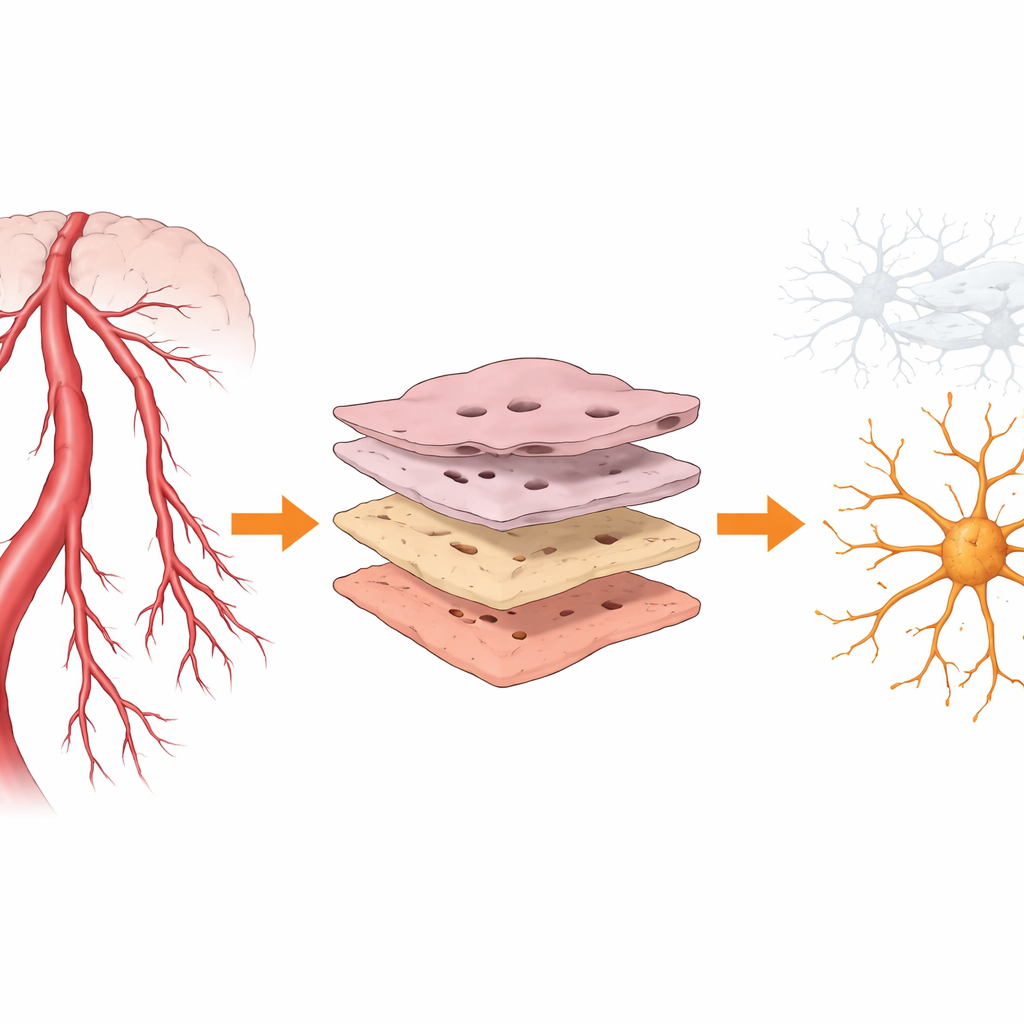
People with the highest long-term blood pressure exposure had noticeably smaller brains than those with the lowest exposure. Both higher cumulative systolic and diastolic pressure were linked to reduced total brain size and smaller volumes in gray matter-rich areas that are central to thinking and memory, especially the frontal and temporal lobes and the hippocampus. Long-term higher pressure was also tied to lower blood flow throughout the brain and in these same vulnerable regions. On the thinking test, those with greater cumulative exposure scored lower, even after the researchers accounted for age, sex, weight, blood sugar, cholesterol, smoking, drinking, exercise, and use of blood pressure or diabetes medications.
How Brain Shrinkage Fits Into the Story
The team then asked whether changes in the brain helped explain the link between long-term blood pressure and thinking ability. Using statistical methods, they found that part of the association between long-term diastolic pressure and lower cognitive scores ran through loss of brain volume. Smaller total gray matter, as well as reduced size of the frontal and temporal lobes, each explained about 10 to 11 percent of the connection. In other words, years of elevated lower-number pressure were associated with shrinkage in critical thinking regions, and that shrinkage, in turn, related to poorer performance on the mental test. Interestingly, changes in blood flow alone did not explain the thinking differences, and the same clear mediating pattern was not seen for the top blood pressure number.
What This Means for Everyday Life
For a layperson, the message is straightforward: the brain remembers your blood pressure history. It is not just single high readings that matter, but how much strain your blood vessels experience over many years. In this study, people who lived for longer periods with higher pressure tended to have smaller brains and did less well on a sensitive thinking test in late middle age and beyond. While the research cannot prove cause and effect, it adds to growing evidence that steady blood pressure control—through healthy habits and, when needed, medication—may help preserve brain structure and reduce the risk of future memory and thinking problems.
Citation: Li, X., Zhu, Z., Hui, Y. et al. Cumulative blood pressure exposure and cognition: the potential mediating role of brain volume. Hypertens Res 49, 1361–1370 (2026). https://doi.org/10.1038/s41440-025-02534-z
Keywords: blood pressure, brain volume, cognitive decline, cerebral blood flow, hypertension