Clear Sky Science · en
Barriers and facilitators in utilisation of dental health services across low- and middle-income countries: a scoping review
Why Teeth Tell a Bigger Story
Most of us think of a trip to the dentist as a routine part of staying healthy. But in many low- and middle-income countries, seeing a dentist is a luxury reserved for moments of crisis, like severe toothache or swelling. This scoping review looks across more than 200 studies to ask a deceptively simple question: what helps or prevents people in these countries from getting dental care when they need it? The answers reveal much more than cavities—they expose how money, distance, beliefs, and fragile health systems shape who gets relief and who is left to suffer.
How the Researchers Mapped the Problem
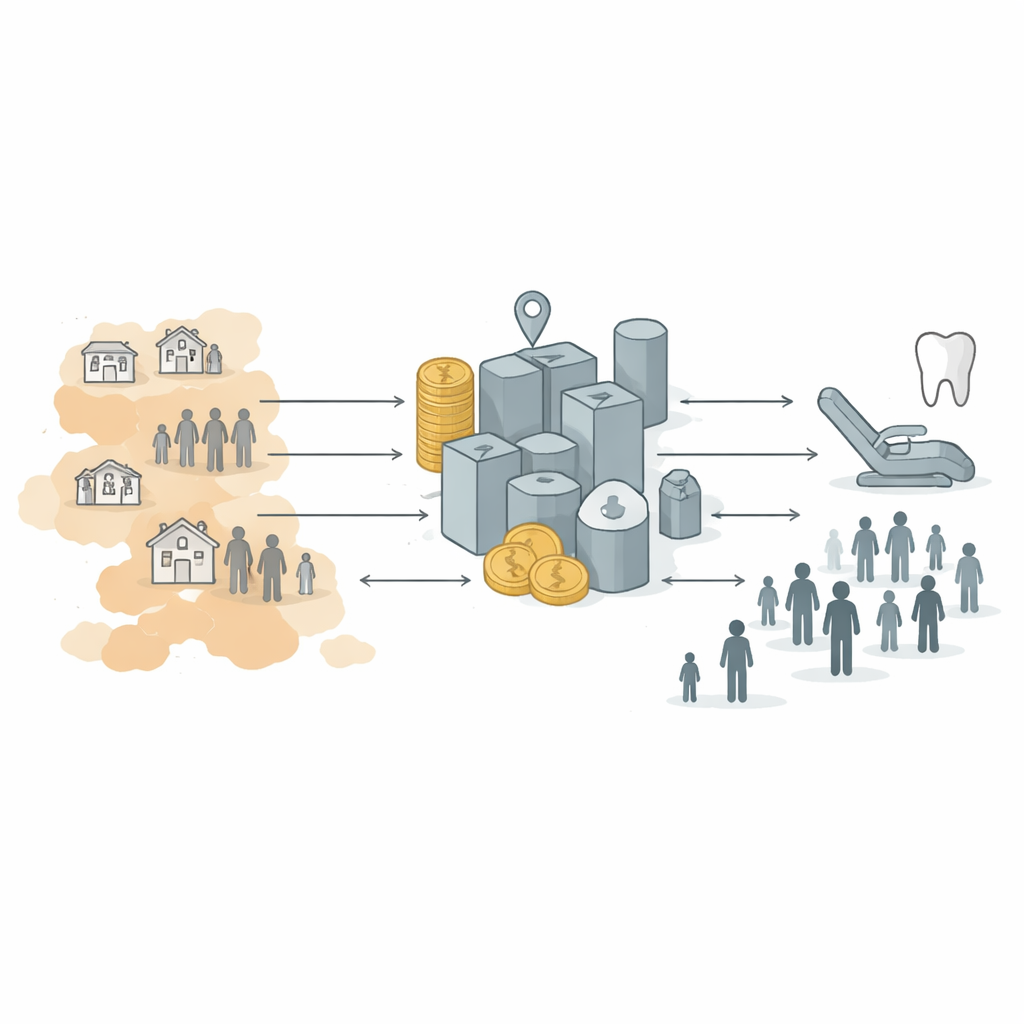
The authors gathered 214 studies from 34 low- and middle-income countries, spanning over 700,000 participants from infants to centenarians. They focused on people’s own perspectives—patients, caregivers, and community members—rather than providers or policymakers. To make sense of the wide-ranging findings, the team used a behavioural science tool called the Theoretical Domains Framework. In practice, this meant grouping thousands of reported “reasons why” into key themes such as access to resources, what people believe will happen if they see a dentist, and how much they know about oral health in the first place. This approach allowed them to see patterns that cut across countries, age groups, and social backgrounds.
When Dental Visits Are a Last Resort
Across the studies, fewer than one in three people had used dental services, and nearly half had never visited a dentist at all. When people did go, it was usually because of pain, infection, or other urgent problems. Checkups and preventive care were rare. Public clinics were the most commonly used facilities, but private practices also played a role, especially in cities. This “emergency-only” pattern not only worsens suffering; it also drives up personal expenses and strains already overloaded health systems. Treating advanced disease is far costlier than stopping problems early.
The Weight of Money, Distance, and Daily Life
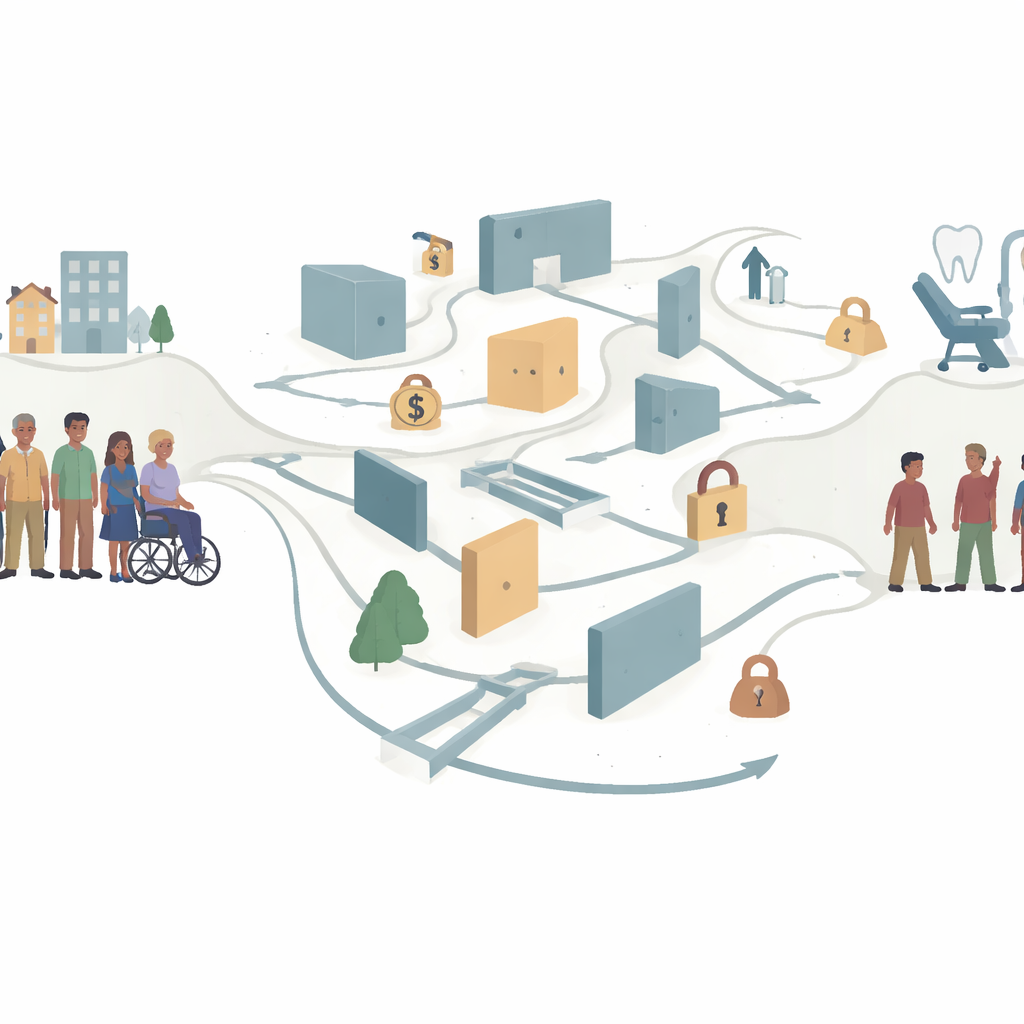
The most powerful forces limiting access were not individual choices but structural conditions. High treatment costs, little or no insurance, and low household income made dental care unaffordable for many. Clinics were often clustered in cities, leaving rural residents to travel long distances and pay for transport they could not spare. Shortages of trained staff, long waiting times, and under-equipped facilities added further hurdles. These environmental and resource issues were the single largest category of barriers identified. At the same time, people’s beliefs mattered: many saw oral health as a low priority unless pain became unbearable, or assumed that baby teeth did not need treatment or that problems would simply fade on their own.
Fear, Stigma, and the Power of Support
Feelings and social relationships also played a strong role. Fear and anxiety about dental procedures discouraged people of all ages, especially where past experiences had been painful or impersonal. For groups such as people living with HIV, transgender individuals, and persons with disabilities, stigma and discrimination in clinics could be as discouraging as cost or distance. On the other hand, there were clear facilitators. Living closer to clinics, having some form of insurance or financial support, and encountering compassionate, well-trained providers all made visits more likely. School-based programs, mobile dental units, and community outreach helped children and rural residents overcome practical and emotional barriers. Education campaigns and media exposure increased people’s understanding of why oral health matters and what services were available.
Different Countries, Different Starting Points
Patterns varied by national income level. In upper-middle-income countries such as Brazil, Iran, and Thailand, more people benefited from insurance schemes, urban clinics, and specialist services, though gaps remained for older adults, pregnant women, and people with disabilities. In lower-middle- and low-income settings, structural problems like high out-of-pocket costs, lack of insurance, and weak infrastructure were more severe, and care was even more likely to be sought only when symptoms became intolerable. These differences suggest that there is no single solution: countries with stronger systems can focus on embedding dental care within universal health coverage, while poorer settings must first build basic facilities, ensure affordability, and design special support for the most marginalised.
What This Means for Health and Fairness
The review concludes that improving access to dental care in low- and middle-income countries requires more than urging individuals to brush or visit the dentist more often. It calls for combined action on two fronts. First, governments and health systems need to tackle the basics: more clinics in underserved areas, better distribution of trained staff, affordable or publicly funded care, and strong integration of oral health into primary health services. Second, community-level efforts must address fear, stigma, low awareness, and cultural beliefs that keep people away until pain forces their hand. Together, these steps can move dental care from a last-ditch rescue to a normal part of staying healthy—and, in doing so, help close a quiet but important gap in global health equity.
Citation: Shrivastava, P.K., Mehta, A., Deka, B.P. et al. Barriers and facilitators in utilisation of dental health services across low- and middle-income countries: a scoping review. Evid Based Dent 27, 19 (2026). https://doi.org/10.1038/s41432-025-01200-0
Keywords: dental care access, low- and middle-income countries, oral health inequality, health system barriers, preventive dentistry