Clear Sky Science · en
Glutamate decarboxylase 1 (GAD1) suppresses the progression of glioblastoma through GSK3β/β-catenin pathway
Why this brain cancer study matters
Glioblastoma is one of the deadliest forms of brain cancer, with most patients living little more than a year after diagnosis. Current treatments—surgery, radiation, and chemotherapy—rarely keep the disease from coming back. This study explores a surprising ally that already exists inside brain cells, an enzyme called GAD1, and suggests that boosting its activity could slow tumor growth and spread.
A quiet defender inside brain cells
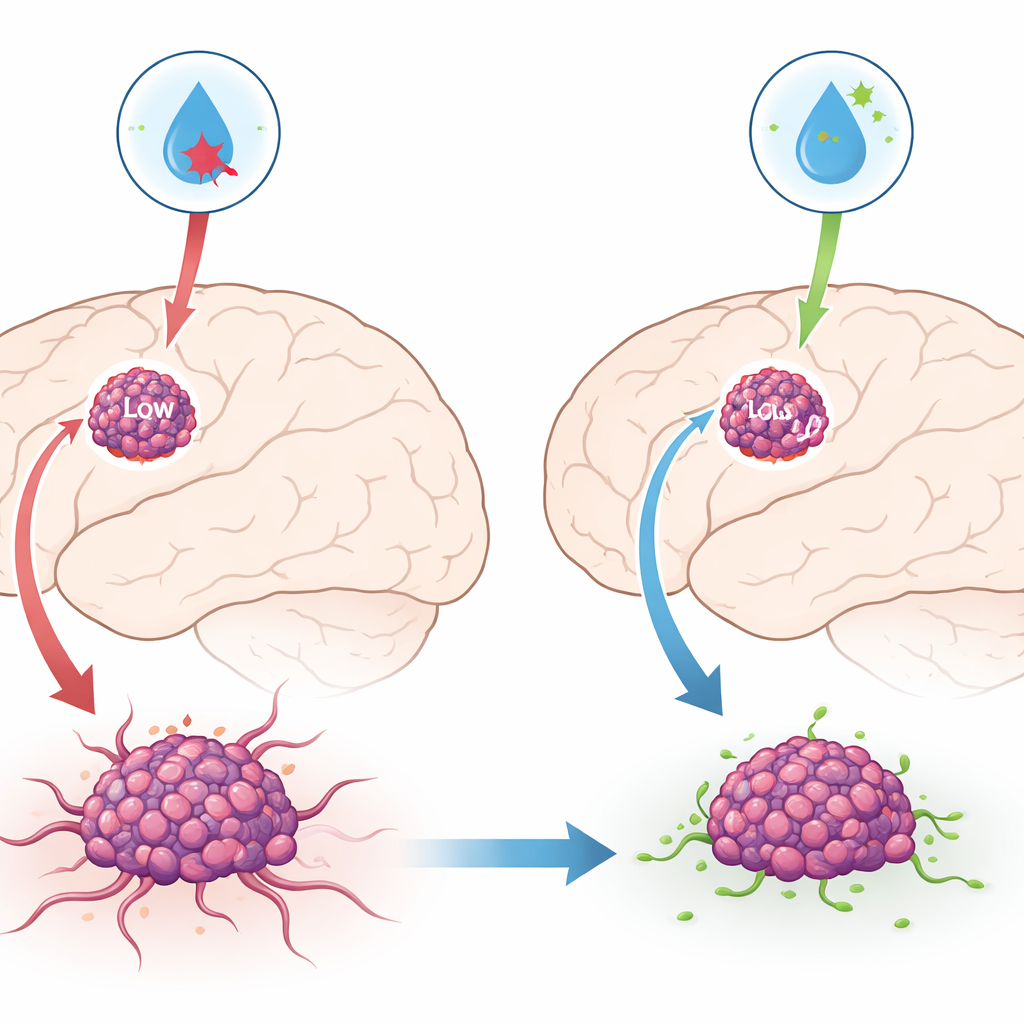
GAD1 is best known for its role in healthy neurons, where it helps produce the calming brain chemical GABA. Researchers wondered whether this enzyme might also influence brain tumors. By comparing glioblastoma cells with normal brain support cells, they found that GAD1 levels were consistently lower in cancer cells. Large patient databases confirmed that tumors with less GAD1 were linked to shorter survival times, suggesting that GAD1 behaves more like a brake than an accelerator in this disease.
Turning the brake up or down
To test this idea, the team artificially raised or lowered GAD1 levels in several human glioblastoma cell lines grown in the lab. When they boosted GAD1, tumor cells divided more slowly, formed fewer colonies, moved less across a scratch in a dish, and struggled to invade through a gel that mimics surrounding tissue. When they reduced GAD1, the opposite happened: cells cycled faster, spread more readily, and invaded more deeply. These experiments show that GAD1 strongly influences how aggressively glioblastoma cells behave.
A hidden control circuit inside the tumor
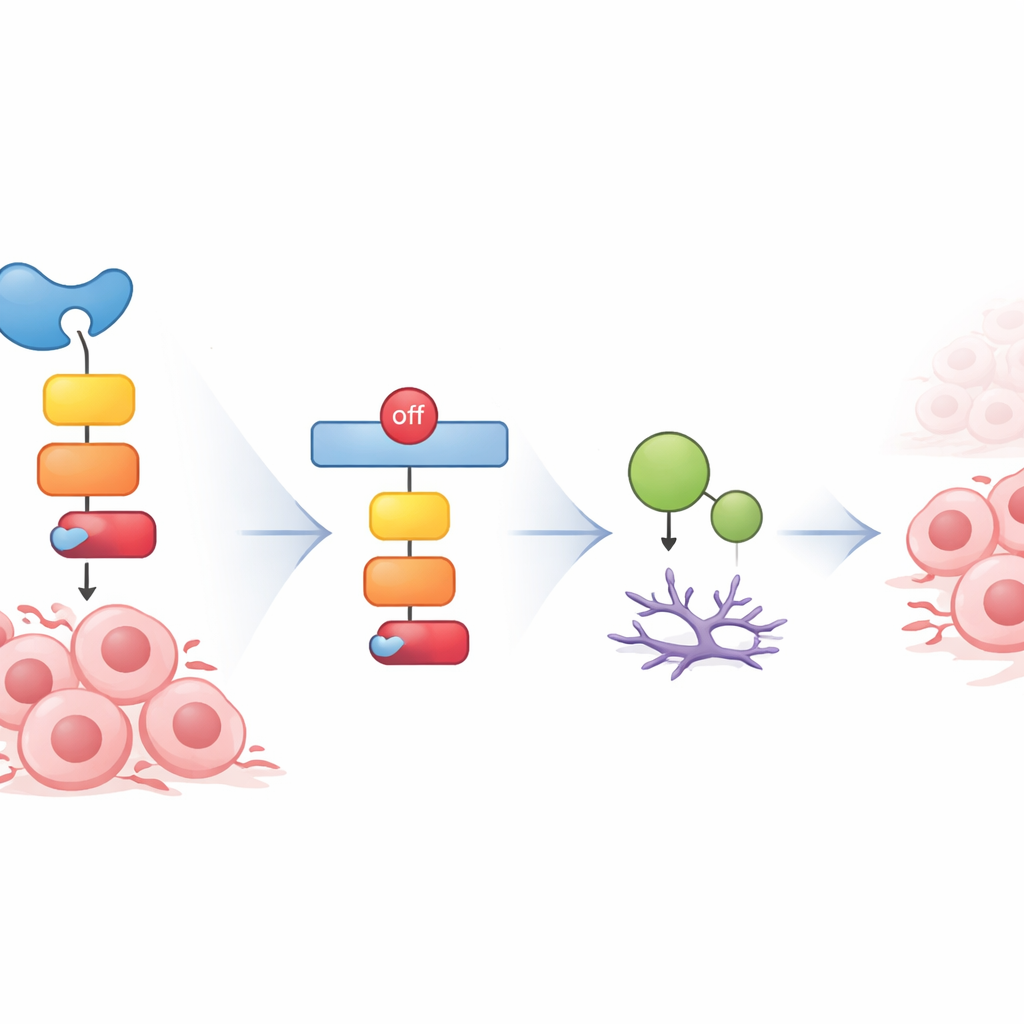
The scientists then asked how GAD1 exerts this control. They focused on an internal signaling route built around a protein called GSK3β and a well-known growth regulator, β-catenin. In many cancers, when this route is highly active, cells multiply and invade more easily. The researchers found that higher GAD1 levels dampened key steps in this pathway, and as a result, lowered the amounts of two important proteins that drive cell-cycle progression and tissue invasion. Lowering GAD1 switched this pathway on, restoring those growth and invasion signals. Interestingly, simply adding extra GABA, the chemical that GAD1 normally helps make, did not undo the effects of GAD1 loss, implying that the enzyme is influencing tumor behavior through additional, non-classical roles.
Drug tests and tiny fish reveal impact in living systems
Because GAD1’s effects ran through GSK3β, the team used a small-molecule drug that blocks this kinase to see if they could neutralize the impact of GAD1 loss. In glioblastoma cells with reduced GAD1, the inhibitor cut down proliferation, slowed cell-cycle progression, and decreased invasion, while lowering the same downstream proteins linked to growth and spread. To move beyond the dish, the researchers implanted fluorescently labeled human tumor cells into transparent zebrafish larvae, creating a living model where tumor growth could be watched in real time. Tumors engineered to overproduce GAD1 stayed smaller and the fish survived longer, whereas tumors lacking GAD1 grew larger and shortened survival.
What this could mean for future treatments
Taken together, the findings paint GAD1 as a built-in safeguard that restrains glioblastoma by turning down a powerful growth and invasion circuit inside tumor cells. When GAD1 is low, this circuit runs unchecked, helping explain why patients with such tumors fare worse. While many questions remain—such as exactly how GAD1 connects to the GSK3β switch—this work highlights GAD1 and its downstream pathway as promising leads for new therapies. In the long term, medicines that boost GAD1’s activity or mimic its calming influence on this signaling network could offer a fresh way to slow one of the most aggressive brain cancers.
Citation: Zheng, Y., Zhong, Z., Zhang, C. et al. Glutamate decarboxylase 1 (GAD1) suppresses the progression of glioblastoma through GSK3β/β-catenin pathway. Cell Death Discov. 12, 132 (2026). https://doi.org/10.1038/s41420-026-02997-0
Keywords: glioblastoma, brain cancer, GAD1, tumor signaling, zebrafish model