Clear Sky Science · en
Melanoma exosomal miR-708-5p promotes macrophage M2 polarization and cancer metastasis
How Skin Cancer Outsmarts the Immune System
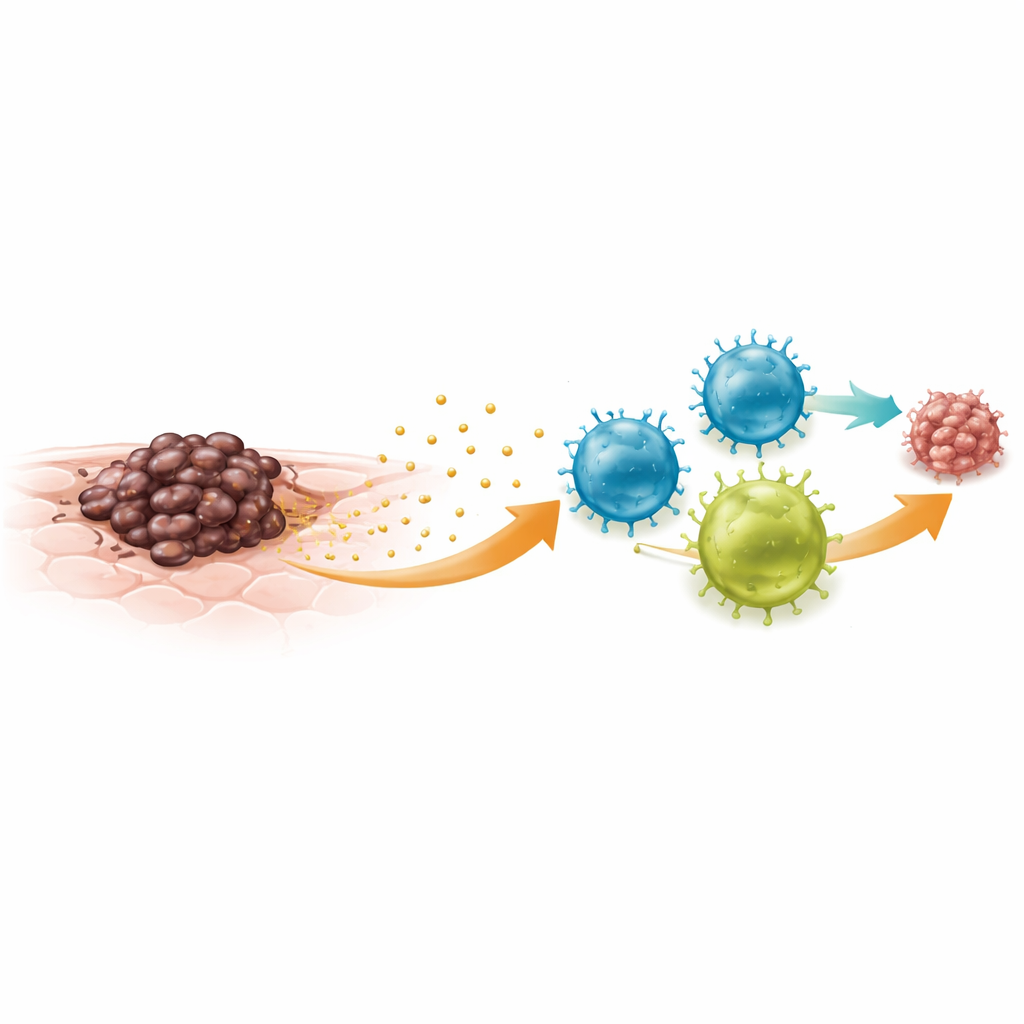
Melanoma, a dangerous form of skin cancer, does not grow and spread on its own. It hijacks nearby immune cells and turns them from tumor fighters into tumor helpers. This study uncovers a tiny genetic messenger that melanoma cells export in bubbles to reprogram immune cells called macrophages, creating a safe haven where the cancer can thrive and metastasize.
Tumor-Friendly Helpers in the Immune System
Macrophages normally patrol the body, swallowing germs and damaged cells. In tumors, however, they can adopt two broad personalities. One type is aggressive and cancer-fighting, while the other is soothing and wound-healing, dampening immune attacks and helping tissues remodel. Many cancers, including melanoma, are packed with this second, tumor-friendly type. Patients whose tumors contain large numbers of these helper macrophages often face faster progression and poorer outcomes. Understanding how melanoma pushes macrophages into this supportive role could open up new ways to stop the disease.
Tiny Bubbles Carry a Powerful Message
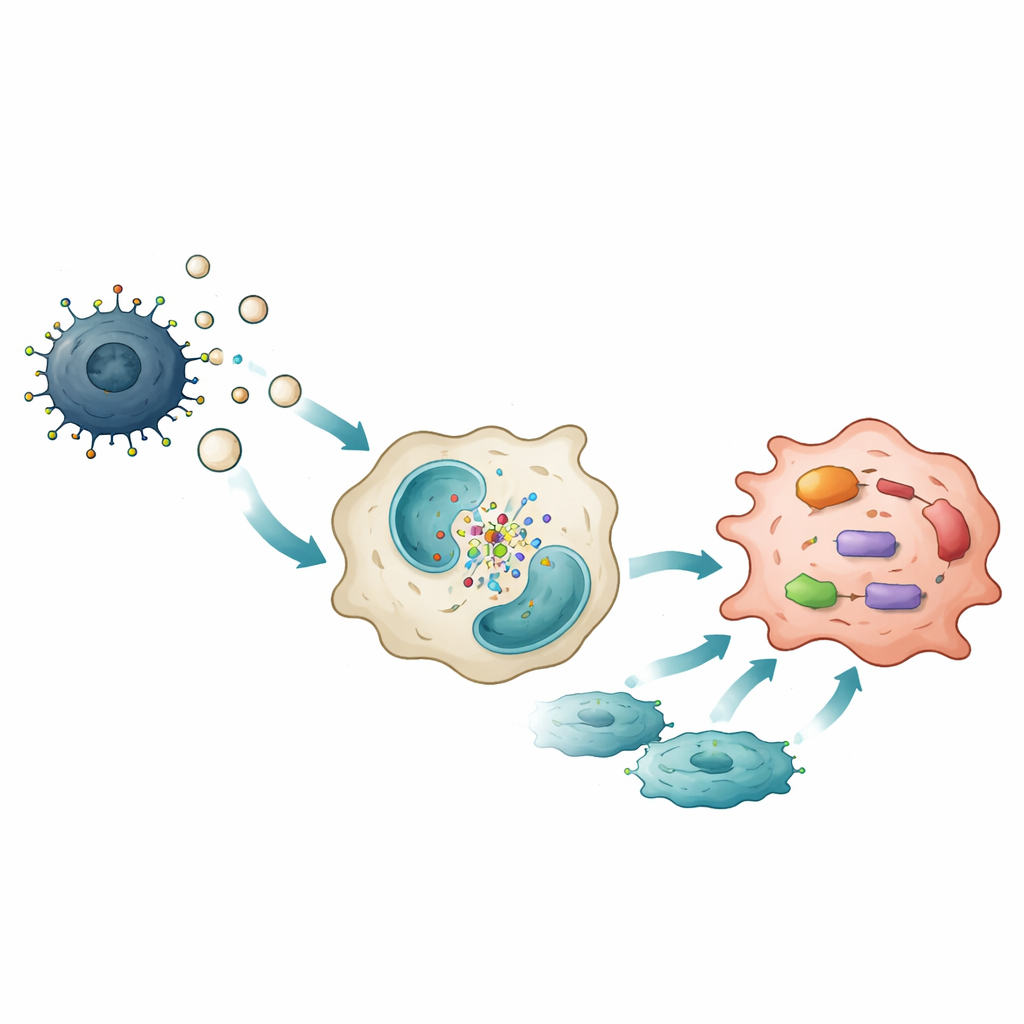
The researchers focused on exosomes—nano-sized bubbles released by cells that ferry proteins and genetic material to distant targets. When they grew melanoma cells together with human macrophages, the macrophages shifted toward the tumor-supporting state. Blocking exosome release sharply reduced this shift, pointing to exosomes as key messengers. Further analysis showed that melanoma-derived exosomes were loaded with a small regulatory RNA molecule called miR-708-5p. When macrophages took up these exosomes, levels of this microRNA rose inside them, even though their own production machinery had not changed, indicating that the signal came directly from the tumor cells.
Rewiring Macrophages from Defenders to Accomplices
By artificially increasing or blocking miR-708-5p in macrophages, the team showed that this single microRNA was enough to tilt their behavior. Higher miR-708-5p boosted hallmark features of the tumor-supporting state, including reduced ability to engulf cancer cells and greater release of calming molecules such as IL-10 and TGF-β. These reprogrammed macrophages, in turn, made melanoma cells grow faster, move more easily, and invade through barriers in laboratory tests. In mice, melanoma tumors surrounded by such conditioned macrophages grew larger and produced more lung metastases, confirming that this altered immune support matters in living organisms.
A Hidden Target that Switches Growth Signals On
To understand how miR-708-5p exerts its effects, the researchers looked for the genes it silences in macrophages. They identified a protein called FOXN3 as its main target. Under normal conditions, FOXN3 helps restrain a major growth-control route inside cells known as the PI3K/AKT/mTOR pathway. When miR-708-5p levels rose, FOXN3 levels fell, and this pathway became more active, pushing macrophages toward the tumor-supporting profile. Restoring FOXN3 in macrophages reversed this shift and weakened their ability to promote melanoma cell growth and spread. At the same time, the team found that melanoma cells seem to expel miR-708-5p because keeping it inside actually slows their division and increases their death, revealing a clever way tumors discard an internal brake while using it to manipulate neighboring immune cells.
Turning a Cancer Trick into a Treatment Clue
This work shows that melanoma cells package miR-708-5p into exosomes using a binding partner called SFRS1, export it into surrounding macrophages, and thereby flip a FOXN3-controlled switch that activates growth signals and fosters a tumor-friendly immune environment. For non-specialists, the takeaway is that melanoma can both shed a molecule that harms its own survival and weaponize it to disarm the immune system. Because miR-708-5p and FOXN3 sit at the heart of this communication loop, therapies that block this microRNA in macrophages or restore FOXN3 activity could help reawaken immune defenses and slow melanoma progression.
Citation: Xu, M., He, B., Zhou, X. et al. Melanoma exosomal miR-708-5p promotes macrophage M2 polarization and cancer metastasis. Cell Death Dis 17, 346 (2026). https://doi.org/10.1038/s41419-026-08597-1
Keywords: melanoma, tumor microenvironment, exosomes, macrophages, microRNA