Clear Sky Science · en
WWP2 underlies ROS-induced granulosa cell apoptosis by promoting ubiquitination of BAK in polycystic ovary syndrome
Why this matters for women’s health
Polycystic ovary syndrome (PCOS) is one of the most common causes of infertility, yet current treatments mainly manage symptoms rather than fixing what is wrong inside the ovary. This study looks deep into the egg-supporting cells in the ovary, called granulosa cells, to ask a simple but crucial question: what makes these cells die too early in PCOS, and can that pathway be switched off? By uncovering a new protective protein switch, the work suggests fresh ways to preserve ovarian function and improve fertility.
Cell helpers in trouble
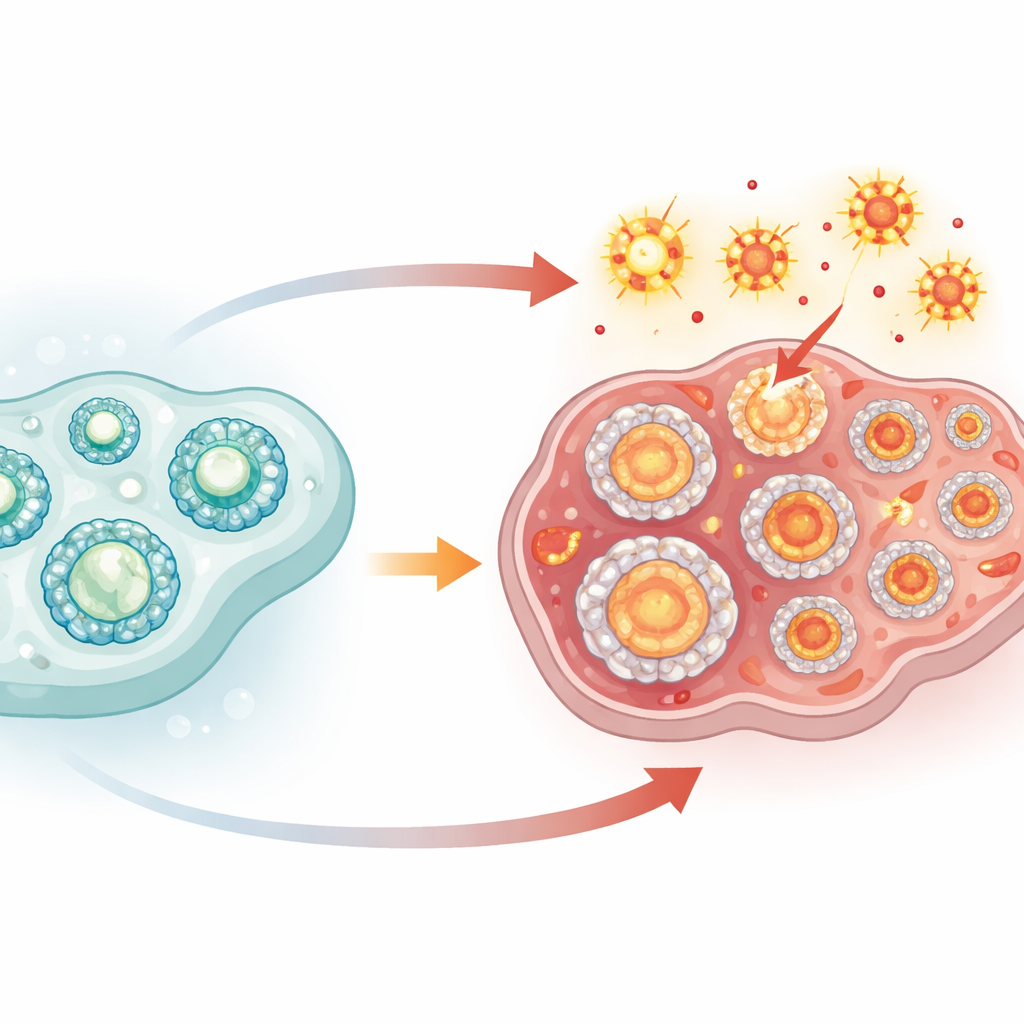
Granulosa cells surround and nourish each developing egg, control hormone production, and help decide whether a follicle will ovulate or wither away. The researchers collected granulosa cells from women undergoing in vitro fertilization, some with PCOS and some without. They found clear signs that, in PCOS, these cells live in a more hostile environment: antioxidant defenses were weaker and chemical damage marks were higher. At the same time, the main executioner proteins that drive programmed cell death were more active, in both human samples and a mouse model that mimics PCOS. Together, these results show that oxidative stress and excessive cell death are key features of PCOS ovaries.
A hidden quality-control system
To understand why these support cells tilt toward death, the team mined single-cell RNA sequencing data, which profiles gene activity in thousands of individual cells. They zeroed in on one granulosa cell subgroup involved in hormone production. In this group, genes linked to oxidative stress, cell suicide, and the cell’s protein recycling machinery were strongly altered in PCOS. One standout player was WWP2, an enzyme that tags other proteins for removal. Its levels were sharply reduced in PCOS granulosa cells and in lab-grown granulosa-like cells exposed to oxidative stress. Moreover, lower WWP2 in patients’ cells was associated with markers of poorer ovarian reserve and hormone imbalance, hinting that this protein might be a guardian of normal ovary function.
The death trigger on the mitochondria
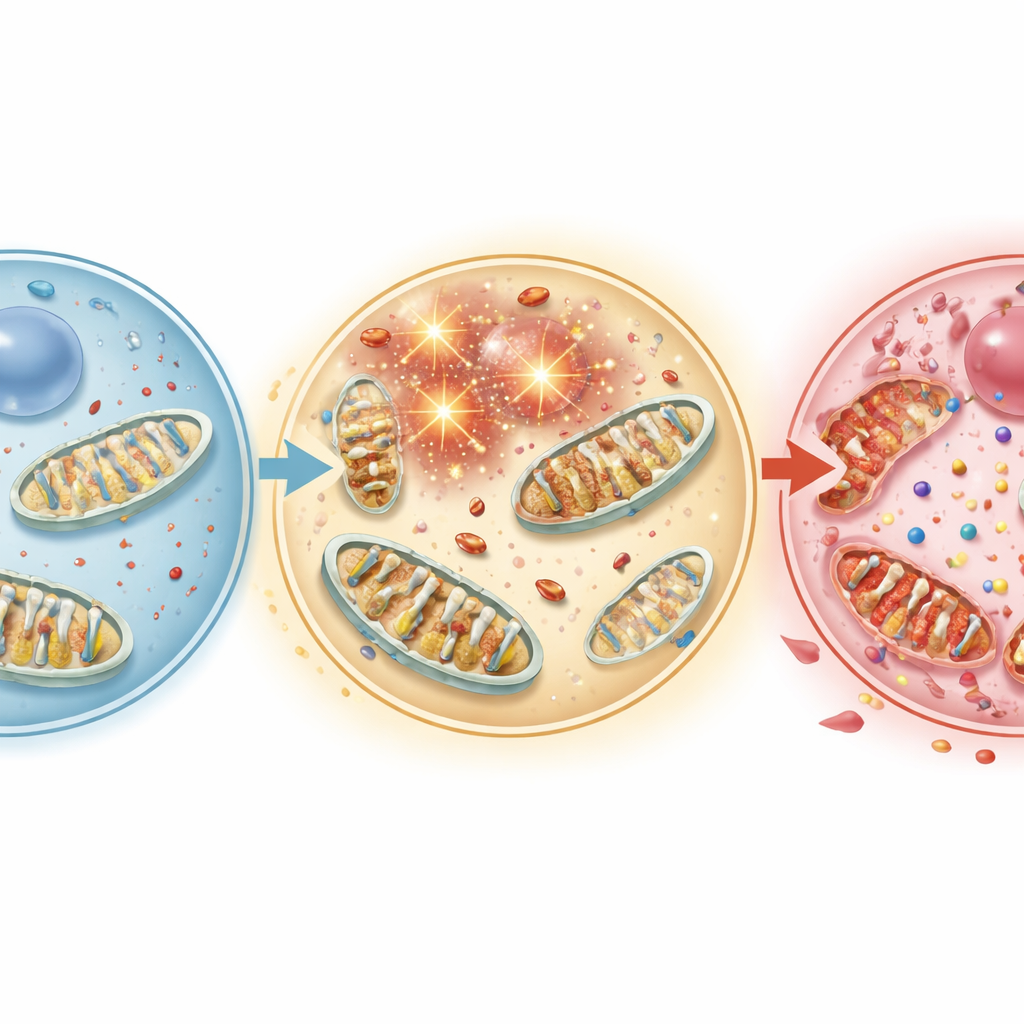
The study then focused on BAK, a protein that punches holes in mitochondria, the cell’s powerhouses, to trigger irreversible apoptosis. Intriguingly, BAK’s gene activity was unchanged in PCOS, but its protein levels were higher, suggesting that it was not being cleared properly. The researchers showed that WWP2 physically binds to BAK and attaches small “disposal” tags to a specific site on it, marking BAK for breakdown by the cell’s protein shredder. When this tag site on BAK was mutated, the protein escaped removal, built up on mitochondria, and drove stronger cell death under oxidative stress. Conversely, boosting WWP2 levels sped up BAK removal, kept mitochondria intact, limited release of death signals, and reduced apoptosis and harmful reactive oxygen species.
From petri dish to living ovary
To test whether this pathway matters in a whole organism, the team used mice lacking Wwp2 and exposed them to a PCOS-like condition using excess male hormones and a high-fat diet. Compared with normal mice, these Wwp2-deficient animals had more BAK in their ovaries, more dying granulosa cells, more severe hormone disturbances, and more disorganized follicles. Notably, their overall body weight and blood sugar control were not markedly worse, pointing to a specific role of WWP2 in protecting ovarian health rather than broadly altering metabolism. These in vivo findings reinforce the idea that WWP2 is a central brake on oxidative-stress–driven damage in granulosa cells.
What this could mean for future treatment
In plain terms, this work reveals a new chain of events inside the PCOS ovary: excess oxidative stress lowers the amount and activity of WWP2, which normally keeps the powerful death protein BAK in check. When WWP2 is missing or weakened, BAK piles up, damages mitochondria, and pushes granulosa cells toward premature death, undermining follicle development and hormone balance. By identifying WWP2 as a key protective gatekeeper, the study opens the door to therapies that might boost WWP2 function or mimic its action on BAK. Such strategies, if made safe and effective in humans, could move PCOS care beyond symptom control toward genuinely preserving or restoring ovarian function.
Citation: Wang, W., Wu, W., Hao, M. et al. WWP2 underlies ROS-induced granulosa cell apoptosis by promoting ubiquitination of BAK in polycystic ovary syndrome. Cell Death Dis 17, 253 (2026). https://doi.org/10.1038/s41419-026-08500-y
Keywords: polycystic ovary syndrome, granulosa cells, oxidative stress, mitochondrial apoptosis, ubiquitin ligase WWP2