Clear Sky Science · en
Lactylation as a metabolic-epigenetic switch in cancer: dual roles in cell death resistance and therapeutic vulnerability
When a Waste Product Becomes a Cancer Signal
For decades, lactate—the molecule that builds up in muscles during hard exercise—was written off as biological exhaust. This paper reveals that in tumors, lactate is anything but waste. Cancer cells reuse it as a powerful chemical signal that rewires how genes are read and how proteins behave, helping tumors withstand chemotherapy, radiation, and even cutting‑edge immunotherapies. Understanding this hidden “language of lactate” could open new ways to predict which treatments will fail and how to turn cancer’s hard‑won defenses against it.
A Hidden Code Written on Cancer Proteins
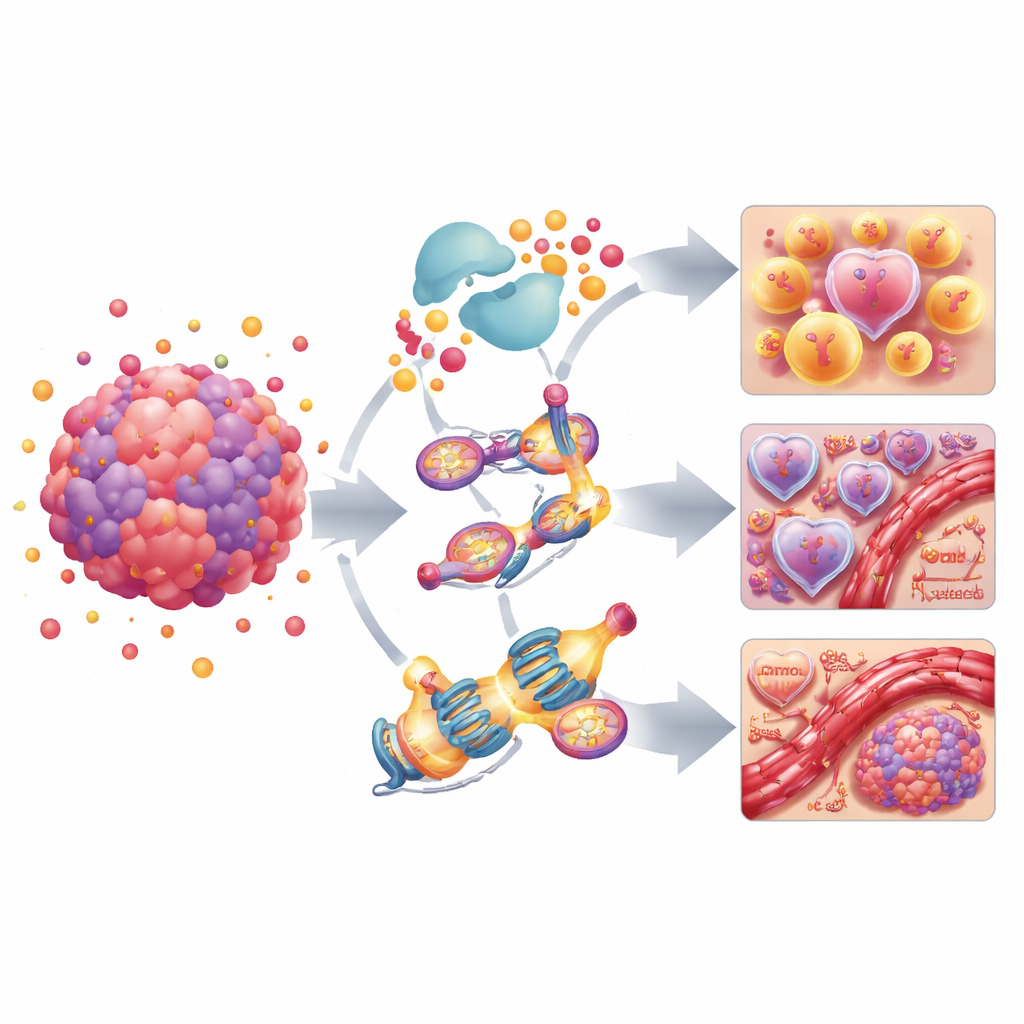
The authors focus on a recently discovered mark called lactylation: a tiny chemical tag that lactate can attach to specific spots on proteins. These tags sit on both DNA‑packing proteins (histones) and many workhorse proteins that handle DNA repair, cell stress, and immune signals. Specialized enzymes can add or remove lactylation, and other “reader” proteins sense it and adjust gene activity. Together, they form a molecular switchboard that turns ordinary metabolic by‑products into durable instructions for survival. In fast‑growing tumors awash in lactate, this switchboard is constantly active, hardening cancers against damage and shaping how they interact with the surrounding immune cells and blood vessels.
How Tumors Use Lactate to Dodge Death
The review shows that lactylation props up many of cancer’s escape routes from cell death. Inside tumor cells, these tags boost DNA repair systems so that chemotherapy and radiation‑induced breaks are quickly patched. They also rewire iron and antioxidant pathways to block ferroptosis, a form of iron‑driven, oxidative cell death, and tune copper‑related pathways that can either shield cells or, in some settings, prime them for destruction. Lactylation helps cells ramp up self‑cleaning processes (autophagy), maintain stem‑like traits linked to relapse, and increase drug pumps that spit chemotherapy back out. Rather than acting in isolation, these defenses form a flexible network that can shift priorities—favoring DNA repair under genotoxic stress, or oxidative stress control when iron or reactive molecules build up.
Shaping the Tumor’s Neighborhood
Lactylation also reshapes the wider tumor microenvironment. On cancer cells themselves, it raises levels of PD‑L1 and related molecules that act as “don’t attack me” signals to T cells, blunting the impact of immune checkpoint drugs. In neighboring immune cells, lactylation nudges macrophages toward nurturing, tumor‑supporting roles, expands regulatory T cells that shut down immunity, and weakens the killing power of cytotoxic T cells and natural killer cells. In blood vessel and stromal cells, lactylation boosts factors that spur new, abnormal vessels to grow while simultaneously helping tumor cells resist harsh conditions such as low oxygen and scarce nutrients. Across these settings, a few recurring marks—such as lactylation on a specific histone position called H3K18—act as central hubs, relaying the metabolic state of the tumor into coordinated immune, vascular, and survival programs.
Turning a Defense Network into a Weak Spot
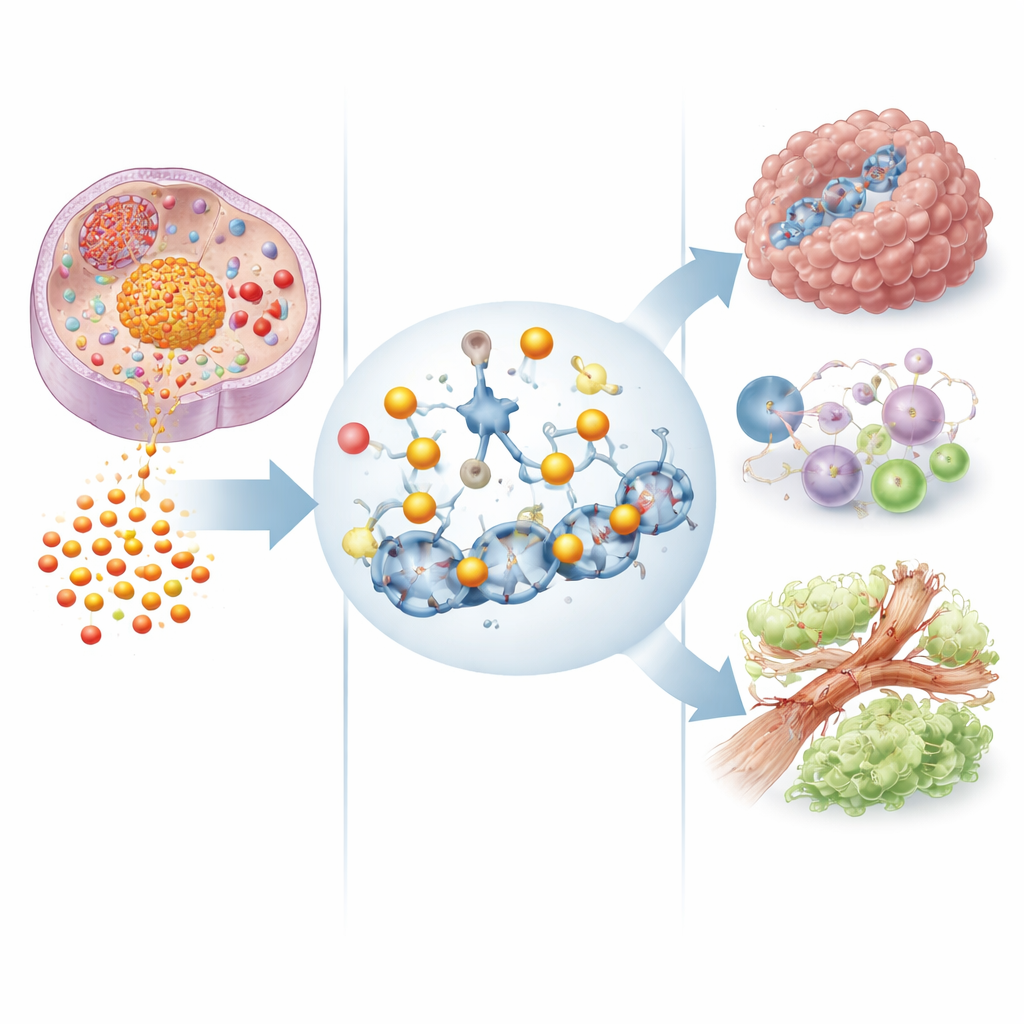
Because this lactate‑driven code is so central to resistance, it also represents an attractive target. The authors describe three main strategies being tested in models of many cancer types. First, drugs that cut lactate production, such as an existing epilepsy medicine that blocks a key enzyme, can lower overall lactylation and re‑sensitize tumors to standard chemotherapy. Second, compounds that interfere with the enzymes and protein complexes that install lactylation can more selectively dial down problematic marks, for example those that boost immune evasion. Third, highly precise tools—designer peptides, antibodies, or small molecules—aim at individual lactylation sites on specific proteins that drive DNA repair or immune suppression, disabling those functions with minimal collateral damage. Early preclinical work, and even small clinical experiences, suggest these approaches can strongly amplify the effects of chemotherapy, radiotherapy, and immunotherapy.
From Biochemical Curiosity to Treatment Guide
Ultimately, the article argues that lactylation is not a biochemical oddity but a central switch that helps tumors survive and adapt to therapy. Measuring patterns of lactylation—so‑called lactylomic signatures—may prove more informative than simply tracking lactate levels in blood or imaging scans, offering more precise prediction of who will respond to particular drugs. At the same time, carefully designed treatments that dampen or redirect this switch could expose hidden weaknesses in tumors that currently seem invincible. By decoding how a simple metabolic by‑product writes instructions onto cancer proteins, researchers are uncovering a new layer of vulnerability that could be harnessed for more tailored, durable cancer control.
Citation: Yang, C., Yang, R., Zheng, B. et al. Lactylation as a metabolic-epigenetic switch in cancer: dual roles in cell death resistance and therapeutic vulnerability. Cell Death Dis 17, 298 (2026). https://doi.org/10.1038/s41419-026-08494-7
Keywords: lactylation, cancer therapy resistance, tumor microenvironment, metabolic signaling, precision oncology