Clear Sky Science · en
Expansion cohorts in phase 1 oncology trials: a systematic review of their design, implementation and outcomes
Why this matters for people with cancer
When a new cancer drug is tested in humans for the first time, the earliest trials can strongly influence how fast that medicine reaches patients—or whether it moves forward at all. This article looks at a modern feature of these early trials, called “expansion cohorts,” and asks a simple question with big consequences: are we using these larger early patient groups in a clear, careful and useful way?
How early cancer trials have changed
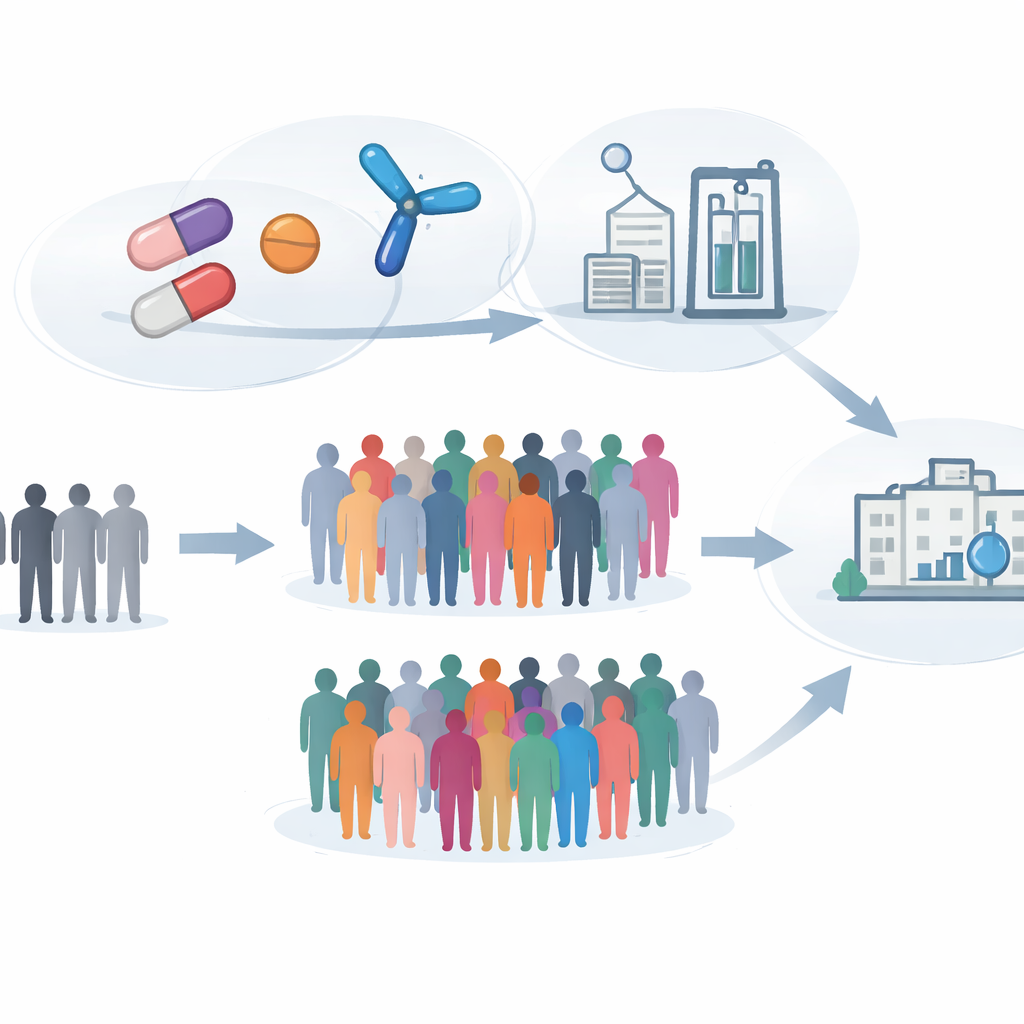
Phase 1 cancer trials used to be small and focused mainly on safety—finding a dose that patients could tolerate before moving on to larger studies. Over the past decade, however, researchers have begun adding extra groups of patients at the chosen dose, known as expansion cohorts. These groups can be quite large, sometimes approaching the size of traditional phase 2 trials. The goal is to learn about safety and early signs of benefit at the same time, and in some cases to support faster drug approvals for people with life-threatening cancers.
What this review set out to discover
The authors systematically examined 479 adult phase 1 cancer trials with expansion cohorts, published between 2019 and 2023. Together, these studies enrolled nearly 19,000 patients in their expansion phases, with a typical trial including about 27 such patients. Most trials were run at many hospitals and backed by industry, and many tested modern targeted drugs, immune-based treatments, or antibody–drug conjugates—antibodies that deliver a toxic payload directly to cancer cells. The team recorded why expansion cohorts were added, how many patients they included, what kinds of cancers and drugs were involved, and how often real tumour shrinkage was seen.
How expansion cohorts are being used
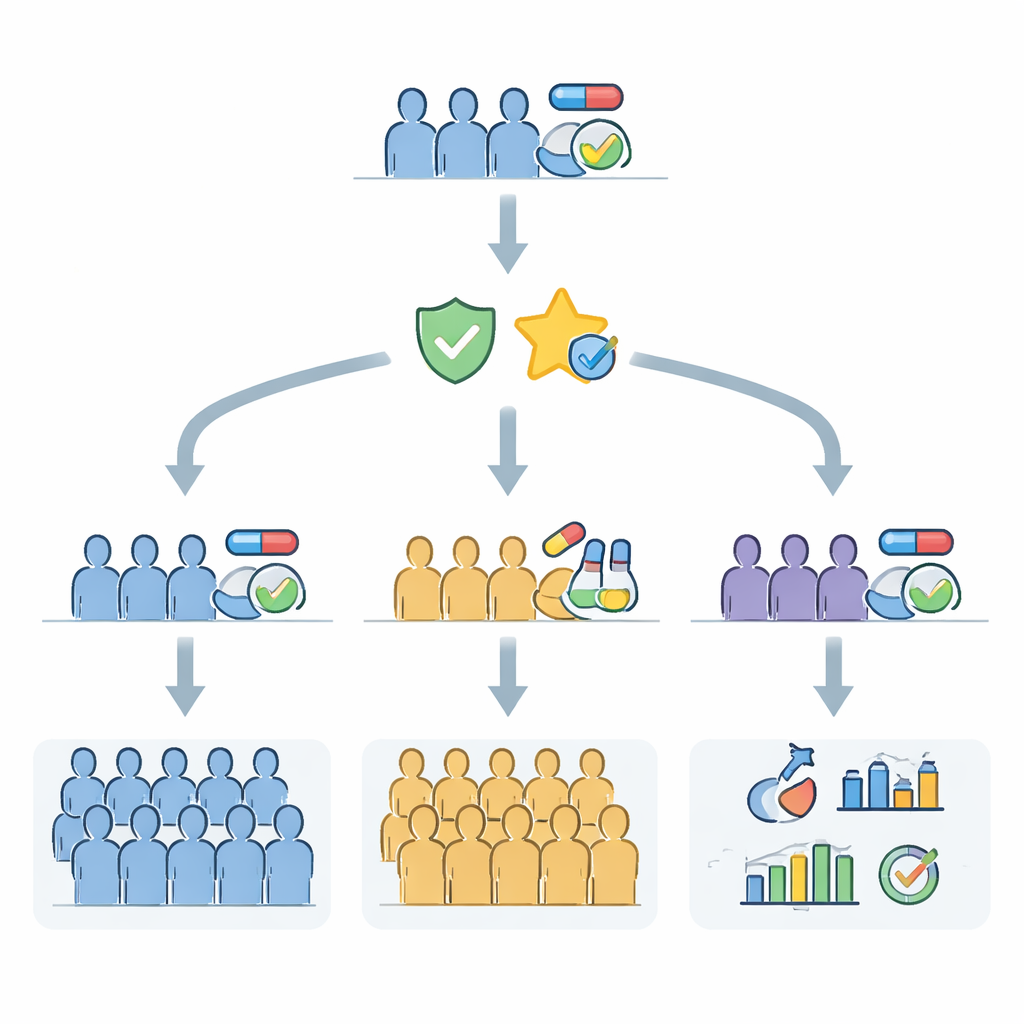
Only a little more than half of the trials clearly stated why they were adding an expansion cohort, even though these extra groups often involved many patients. When reasons were given, they most often included safety checks and early signs of benefit, and less often careful dose refinement or detailed drug-behaviour studies in the body. Fewer than one in four trials provided a statistical explanation for how many patients were needed in the expansion phase. Despite these weaknesses in planning, nearly all trials reported whether tumours shrank or stopped growing, and about half clearly separated results from the early dose-finding phase and the later expansion groups.
What the results say about new treatments
Across all studies, tumour responses were common enough to matter, but varied widely. For solid tumours, about one in five patients in these early cohorts saw their tumours shrink, while nearly half of patients with blood cancers did. Certain drug types stood out: antibody–drug conjugates had particularly high response and disease-control rates. Trials that tested drug combinations, focused on blood cancers, or backed their expansion sizes with a formal statistical plan tended to see higher response rates. Somewhat surprisingly, trials that did not include immune-based drugs showed better response figures, perhaps reflecting how uneven the performance of newer immune strategies can be when reliable biological markers are lacking.
Why clearer planning helps patients
Although expansion cohorts started as small add-ons to confirm safety, they have evolved into large, complex parts of early cancer trials that strongly influence whether a drug moves forward. Yet objectives are often vague and sample sizes are not always justified. The authors argue that better planning—clearly stating goals, explaining why a certain number of patients are needed, and reporting results separately for the early and expansion phases—can both protect participants from exposure to weak or harmful treatments and make the findings more trustworthy. For patients and advocates, the take-home message is that well-designed expansion cohorts can speed promising drugs toward later trials and real-world use, but only if they are built on transparent, rigorous plans rather than hopeful guesswork.
Citation: Herrero Colomina, J., Hu, X., Dinizulu, H. et al. Expansion cohorts in phase 1 oncology trials: a systematic review of their design, implementation and outcomes. Br J Cancer 134, 1131–1137 (2026). https://doi.org/10.1038/s41416-025-03334-5
Keywords: phase 1 cancer trials, expansion cohorts, early drug development, oncology response rates, trial design quality