Clear Sky Science · en
Effects of preoperative recombinant Interleukin 2-based immunomodulation on outcome after gastrointestinal cancer surgery: a systematic review and meta-analysis
Helping Patients Heal After Major Cancer Surgery
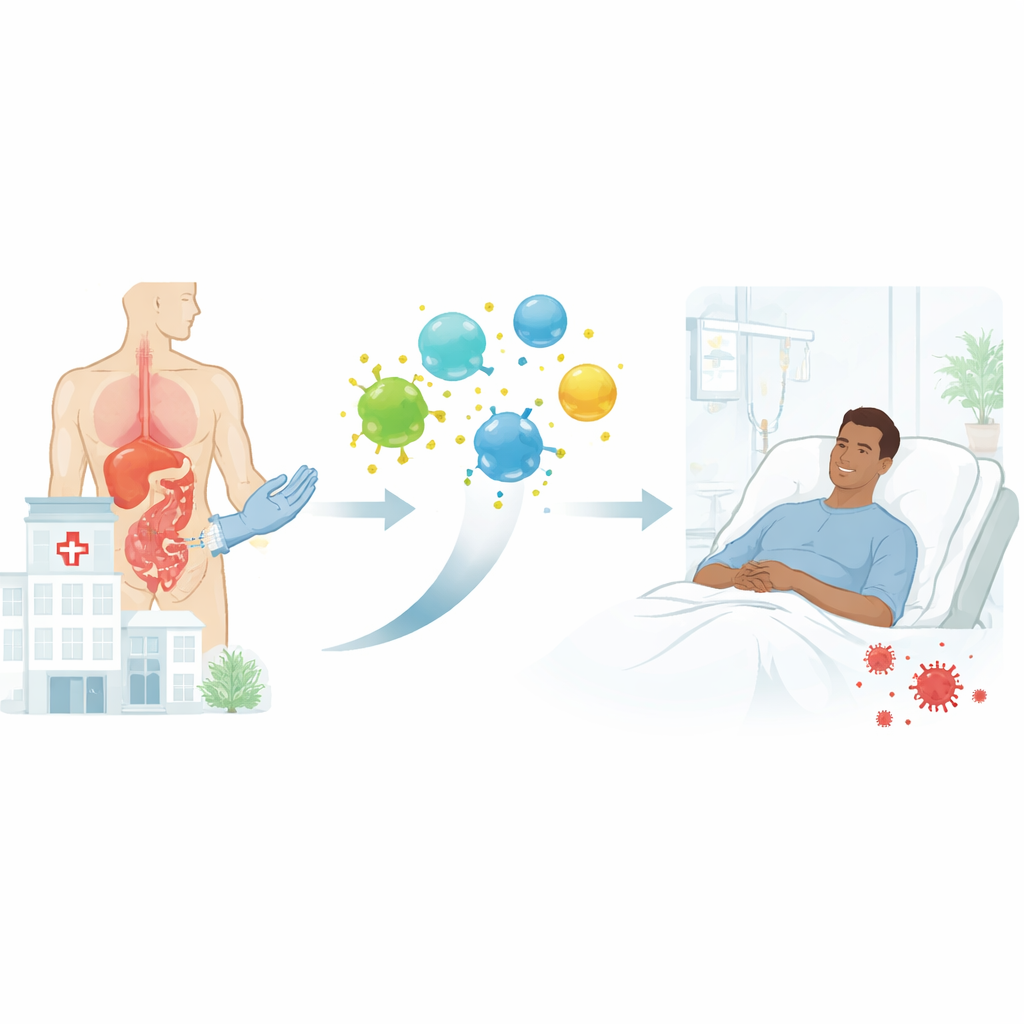
People who undergo major surgery for cancers of the stomach, bowel, pancreas or other digestive organs face a difficult recovery. Their immune systems are often weakened by both the cancer and the operation itself, leaving them vulnerable to infections at the wound site or throughout the body. This article explores whether a lab-made version of a natural immune messenger, called interleukin‑2, given just before surgery can safely "wake up" the immune system and help patients avoid dangerous infections.
Why Infections After Surgery Matter
Complications after big abdominal operations are not just a short-term nuisance; they can be life‑threatening and can seriously reduce quality of life. Common problems include infections in the surgical wound, leaks where the surgeon has joined parts of the intestine, and infections in the lungs or urinary tract. These complications can lead to long stays in intensive care, sepsis, repeated operations, and higher health‑care costs. Because patients with gastrointestinal cancers are already prone to immune weakness, finding ways to strengthen their defenses around the time of surgery is a major goal of modern perioperative care.
A Messenger Molecule as a Pre‑Surgery Booster
Interleukin‑2 is a signaling protein that our bodies naturally use to control the activity and growth of certain white blood cells. A synthetic form, recombinant interleukin‑2 (rIL2), has been used for years in cancer treatment at high doses, but these doses can cause serious side effects. The researchers behind this article asked a narrower question: if rIL2 is given under the skin in the days just before gastrointestinal cancer surgery, at low to moderate doses, can it reduce the immune “crash” that follows an operation and cut the risk of infections, without causing unacceptable harm? To answer this, they systematically collected and combined data from all randomized controlled trials that had tested this strategy.
What the Combined Trials Revealed
The authors searched several major medical databases from the late 1980s up to 2024 and found 13 suitable trials with a total of 504 adult patients undergoing surgery for cancers of the colon, stomach, pancreas and other digestive organs. In all of these studies, patients were randomly assigned either to receive rIL2 injections under the skin for three to five days before surgery or to proceed without this extra treatment. When the researchers pooled the results, they found that people who received rIL2 had higher levels of circulating lymphocytes—key immune cells—one and two weeks after surgery. This suggests that rIL2 helped prevent the usual post‑surgery drop in immune strength.
Fewer Infections, but Uncertain Long‑Term Benefits
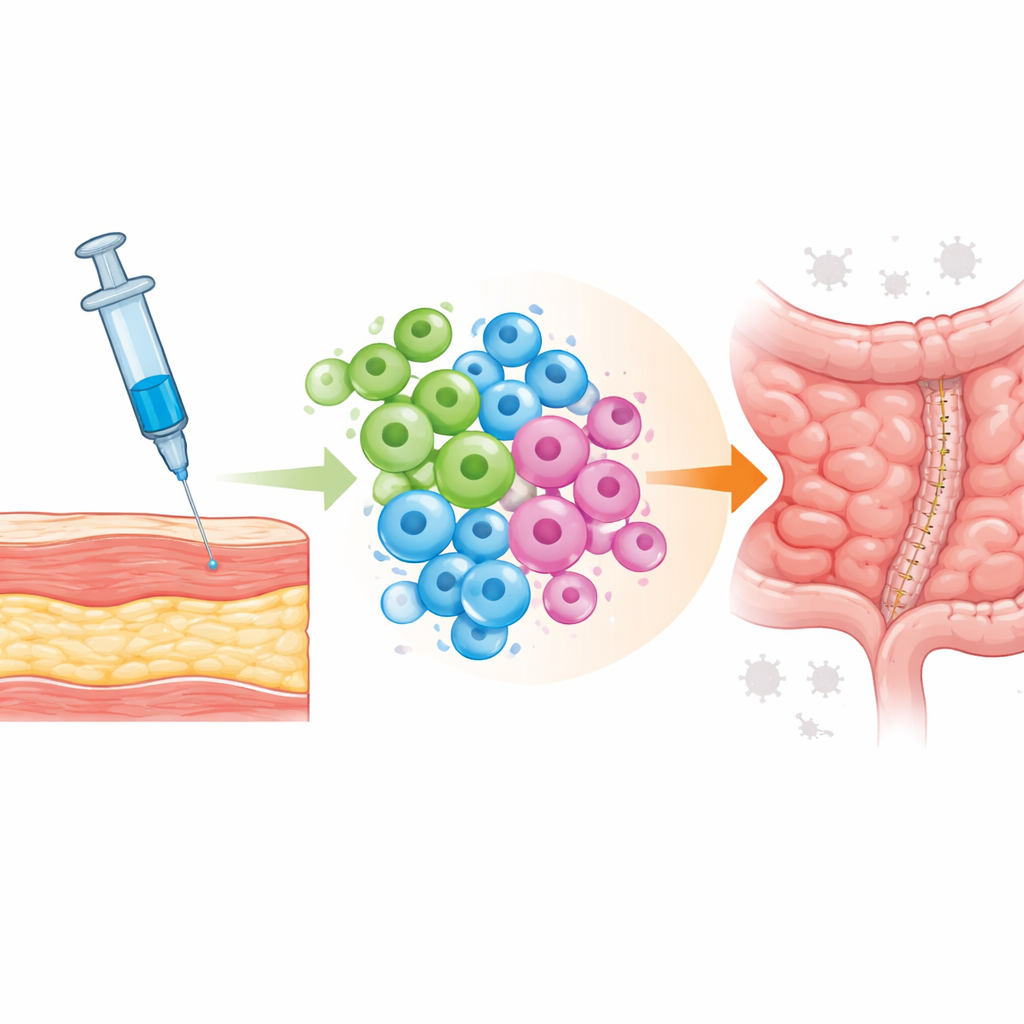
Beyond laboratory measures, the review focused on real‑world outcomes that matter to patients. Across the studies that reported them, surgical site infections were notably less common in the rIL2 group than in the control group, and systemic infections such as lung or urinary tract infections were also reduced. In contrast, there was no clear difference in rates of leaks at bowel connections or in long‑term survival over follow‑up periods ranging from two to six years. Importantly, while patients receiving rIL2 experienced more minor issues like redness at the injection site, flu‑like symptoms and fevers, no trial reported life‑threatening side effects linked to the treatment, even when higher daily doses were used.
Caution Flags and Gaps in the Evidence
Despite these promising signals, the authors emphasize that the underlying evidence is fragile. Most of the trials were small, often from a single country and sometimes from the same research center, and many lacked clear descriptions of how patients were randomized or whether doctors and patients were blinded to treatment. Some trials reported very few complications overall, raising the possibility of under‑reporting. When the team applied standard tools to rate study quality and certainty of evidence, most outcomes were graded as low or very low confidence, meaning the true effects could be smaller, larger, or even absent.
What This Could Mean for Future Surgical Care
For a lay reader, the message is encouraging but not definitive: giving a short course of rIL2 before major gastrointestinal cancer surgery appears to boost key immune cells and is linked to fewer postoperative infections, without serious added risks. However, because the existing studies are limited and somewhat inconsistent, doctors cannot yet rely on this approach as routine care. The authors propose a stepwise program of future research, starting with dose‑finding work, then small feasibility trials, and eventually large, carefully blinded international studies. Only then will we know whether this simple pre‑surgery immune boost can reliably help patients withstand the stress of cancer surgery and recover more safely.
Citation: Horcicka, A., Bewersdorf, N., Kalkum, E. et al. Effects of preoperative recombinant Interleukin 2-based immunomodulation on outcome after gastrointestinal cancer surgery: a systematic review and meta-analysis. Br J Cancer 134, 1057–1065 (2026). https://doi.org/10.1038/s41416-025-03304-x
Keywords: gastrointestinal cancer surgery, postoperative infections, interleukin-2, perioperative immunomodulation, systematic review