Clear Sky Science · en
Alcohol consumption and mortality from four alcohol-related cancers in Australia 1950-2018: a time series analysis
Why our drinking habits matter for cancer
Most people know that heavy drinking can damage the liver, but fewer realise that everyday alcohol use can quietly raise the risk of several common cancers. This study looks at more than 60 years of Australian data to ask a simple but crucial question: if a whole country collectively drinks less, do fewer people die from certain cancers? By following long-term trends in alcohol and tobacco use, health spending, and cancer deaths, the researchers show how changes in our national drinking culture could translate into lives saved.
Looking at a nation over time
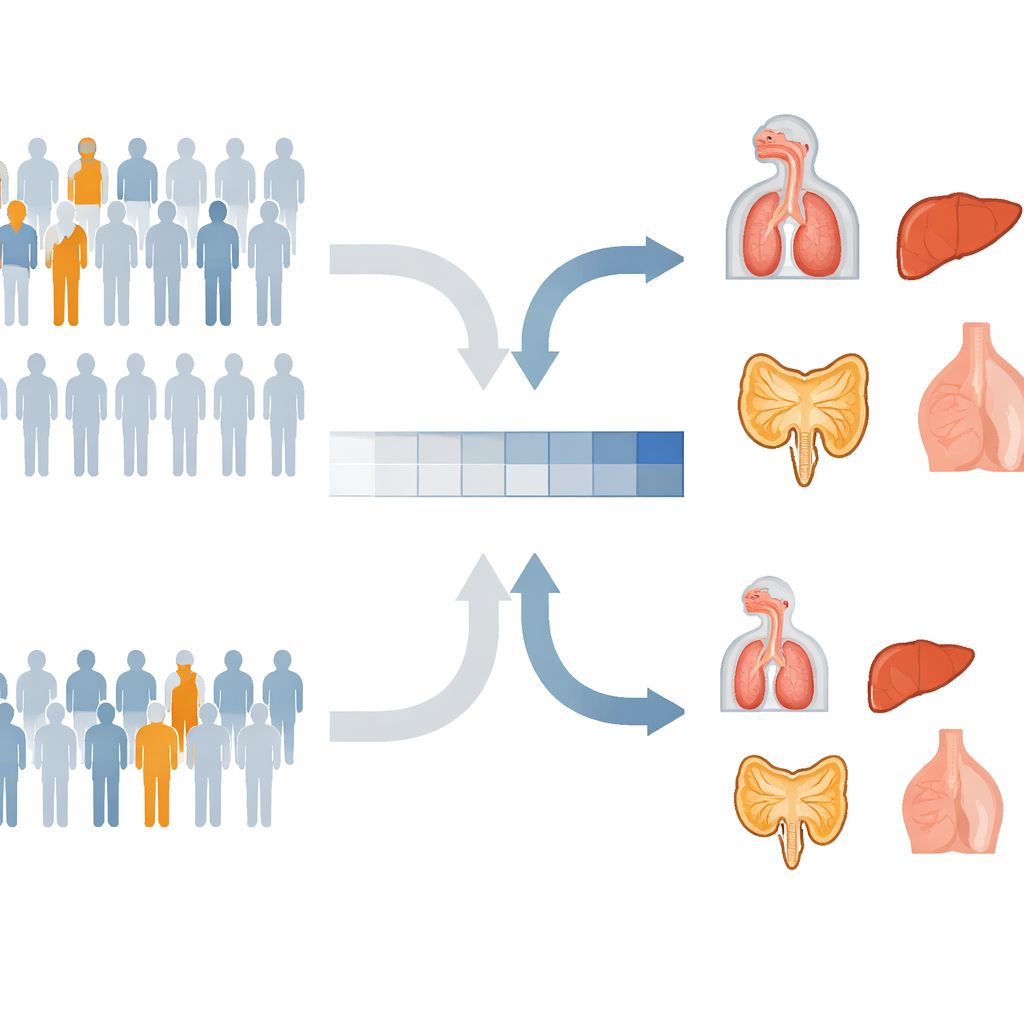
Instead of tracking individual patients, the team examined Australia as a whole. They combined historical records of how much alcohol and tobacco were consumed per person each year with official death statistics for four types of cancer strongly linked to drinking: cancers of the mouth, throat and oesophagus (grouped as upper aerodigestive tract), liver cancer, colorectal cancer, and female breast cancer. They also included data on how much money the country spent on health care, because better diagnosis and treatment can reduce cancer deaths regardless of drinking habits. Using time series models, they accounted for the long delay between changes in behaviour and changes in cancer outcomes, building in lags of roughly 20 years to reflect how long it can take for cancers to develop.
Connecting alcohol trends to cancer deaths
The analysis found clear links between per-person alcohol consumption and death rates from several cancers. When average alcohol use fell by one litre of pure alcohol per adult per year, deaths from mouth, throat and oesophageal cancers dropped by about 3–4% in both men and women over the following two decades. Liver cancer deaths fell by nearly 4% in men, though there was no clear effect in women. Colorectal cancer deaths declined by about 1% in men and a smaller but still detectable amount in women. For female breast cancer, a one-litre reduction in alcohol use was associated with about a 2% fall in mortality. These percentages may sound modest, but when applied to an entire national population over many years, they add up to a large number of prevented deaths.
Who is most affected
The strongest alcohol–cancer links appeared among adults aged 50 and older. This pattern fits with what is known about cancer biology: damage from alcohol accumulates slowly, and many alcohol-related cancers tend to be diagnosed in later life. Younger age groups showed little or no association, in part because their cancer rates are low overall and because they have had fewer years of exposure. The study also suggests that men bear a larger share of the burden, largely because they drink more. Over the study period, the authors estimate that roughly 45% of male deaths from upper aerodigestive tract cancers and nearly half of male liver cancer deaths were related to alcohol, compared with about one-fifth of female deaths from upper aerodigestive tract cancers. For colorectal cancer, alcohol was linked to about 15% of male deaths and 4% of female deaths, while about 14% of female breast cancer deaths appeared to be alcohol-related.
Untangling alcohol from smoking and better care
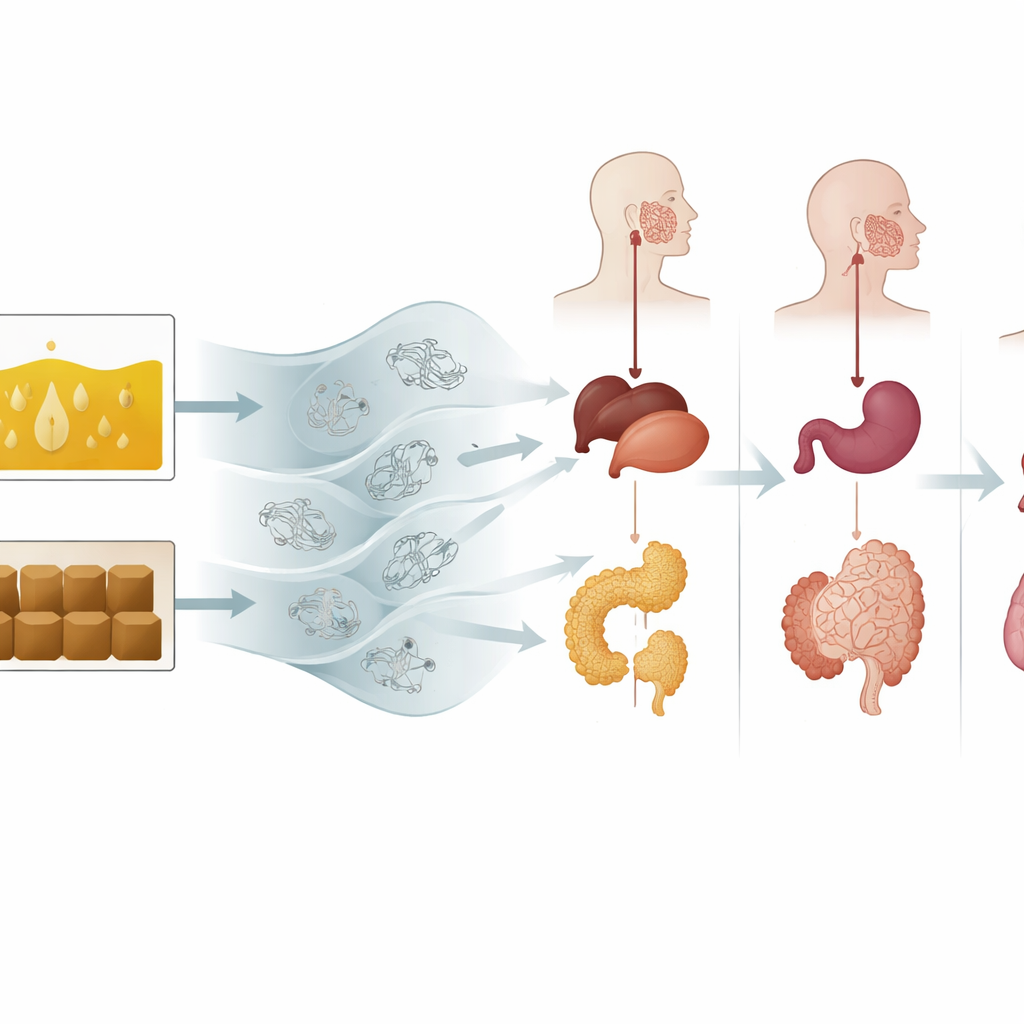
Because tobacco is also a powerful cause of cancer, especially in the mouth, throat, lungs and digestive system, the researchers took great care to separate its effects from those of alcohol. They used long-term tobacco consumption data and allowed for different lag times between smoking and cancer deaths. They also accounted for rising health spending, which can improve survival through earlier detection and more effective treatment. When they controlled for these factors, the connection between alcohol and the four cancers remained, and additional checks using lung cancer (strongly tied to tobacco but not clearly to alcohol) helped confirm that the alcohol effects were not just reflecting overall trends in cancer. At the same time, the results changed when different assumptions about time delays were used, reminding readers that such large-scale analyses come with uncertainty.
What this means for everyday choices and policy
For non-specialists, the message is straightforward: there is no completely safe level of drinking when it comes to cancer, and when a population collectively drinks less, fewer people die from certain cancers years down the line. The study supports current health advice that keeping alcohol intake low is a practical way to reduce lifetime cancer risk, especially for older adults and for women concerned about breast cancer. It also strengthens the case for broad public measures—such as higher alcohol taxes, limits on marketing and availability, and support for cutting down drinking—that nudge the whole population toward lower consumption. While the exact size of the effect is uncertain, the long view across seven decades suggests that our everyday drinking habits today shape the cancer landscape our society will face 20 years from now.
Citation: Jiang, H., Livingston, M., Room, R. et al. Alcohol consumption and mortality from four alcohol-related cancers in Australia 1950-2018: a time series analysis. Br J Cancer 134, 914–923 (2026). https://doi.org/10.1038/s41416-025-03273-1
Keywords: alcohol and cancer, cancer mortality trends, public health policy, breast and colorectal cancer, tobacco and alcohol risk