Clear Sky Science · en
What do we know about elite athlete oral health?
Why Top Athletes’ Teeth Matter to Everyone
Elite athletes are often our picture of perfect health, yet their teeth tell a very different story. This article reveals that many world‑class competitors live with tooth decay, gum disease and worn enamel at levels equal to – and sometimes worse than – the general public. Because even minor health problems can derail a season or an Olympic dream, the mouth becomes far more than a cosmetic concern: it’s a hidden performance factor and a long‑term health issue. Understanding why top performers struggle with oral health, and how simple steps can protect them, offers lessons for anyone who exercises, uses sports drinks or juggles a busy lifestyle.
Hidden Problems Behind Winning Smiles
Research from multiple sports shows that tooth decay, gum disease and “acid wear” on teeth are very common in elite athletes. Studies suggest that roughly half have untreated dental caries (decay), and signs of early gum disease such as red, bleeding gums are present in most. Many also show erosive tooth wear, where acid from the diet or stomach slowly dissolves enamel. These problems do more than cause cavities: they can lead to pain, infections, difficulty eating, sleep disturbance and lower self‑confidence, all of which chip away at training and competition. Because some of these conditions trigger low‑grade inflammation throughout the body, they may also subtly affect recovery and overall health long after an athlete retires.
Why Athletes’ Teeth Are Under Extra Stress
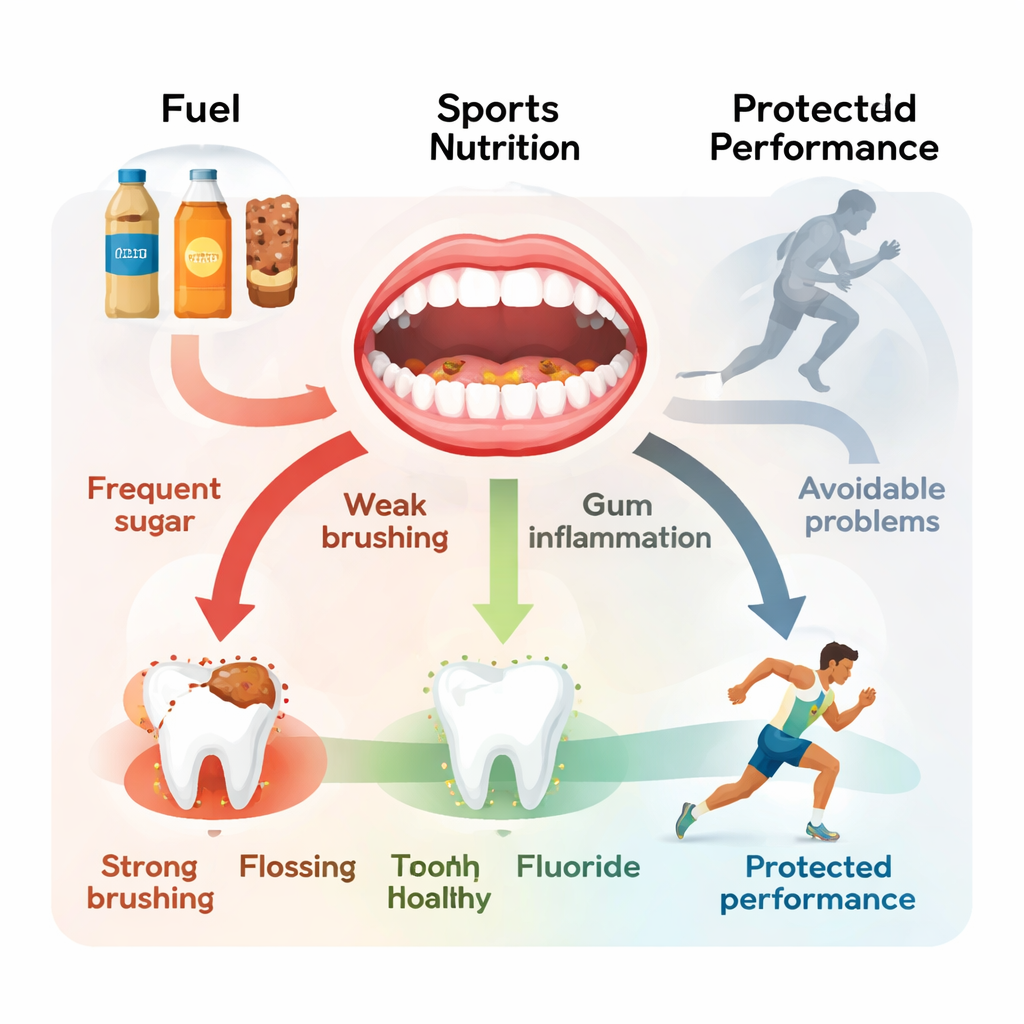
At first glance, this seems puzzling: athletes generally report good knowledge of brushing, flossing and diet, and often claim to follow advice more closely than non‑athletes. The article explains that their daily reality works against them. To fuel long and intense sessions, many rely on frequent intakes of sugary drinks, gels and snacks – sometimes 90 grams of carbohydrate or more per hour. Each hit of sugar feeds bacteria in dental plaque, dropping the pH in the mouth and encouraging decay. Heavy breathing during exercise, psychological stress and dehydration can reduce saliva, which normally helps neutralize acids and wash sugars away. On top of that, some athletes in weight‑sensitive or aesthetic sports are more prone to disordered eating and stomach acid reflux, both of which heighten the risk of enamel erosion.
More Than Individual Habits: The Athlete Ecosystem
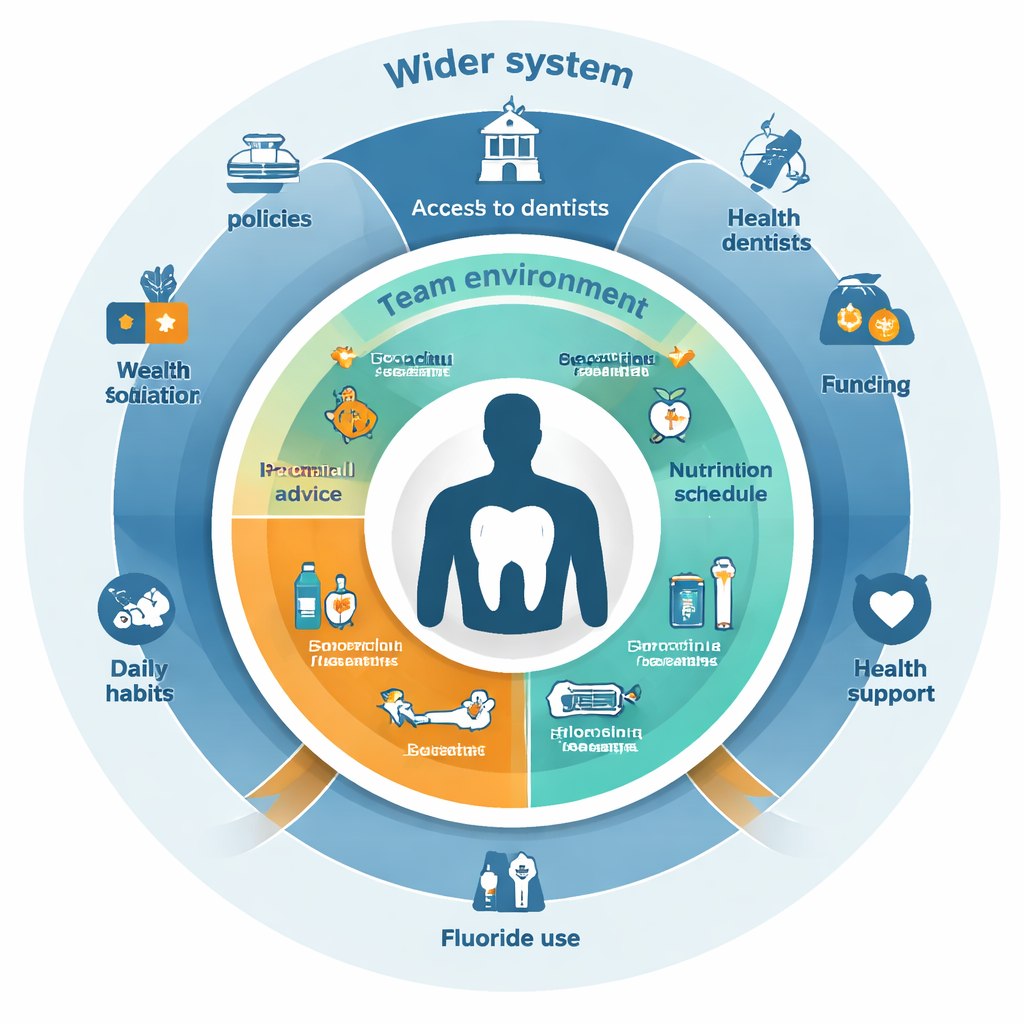
The authors argue that an athlete’s teeth are shaped not only by personal choices but by a whole ecosystem around them. They present a layered model in which the individual sits at the center, surrounded by influences from their team and the wider sporting and political system. Coaches, nutritionists and medical staff all help set training loads, diet patterns and health priorities. Above them, clubs, federations and national bodies decide how often athletes are screened, whether dental care is funded, and how oral health is integrated into broader medical checks. When oral health is not built into these structures, the burden falls back on the individual athlete, who may struggle to fit dental visits and new habits into a crowded schedule.
Turning Risk Into Manageable Routine
Because athletes cannot simply abandon rapid‑energy foods and drinks, the paper suggests reframing “oral health promotion” as “risk mitigation.” This means pairing necessary sports nutrition with protective routines that are low‑cost and easy to repeat. Evidence‑based steps include twice‑daily toothbrushing with high‑fluoride toothpaste, using interdental cleaners, avoiding rinsing away toothpaste, and adding a daily fluoride mouthwash for those at higher risk. Simple tactics such as using water or milk instead of sugary drinks when possible, or following a sports drink with water, can dilute acids in the mouth. Regular dental screening – ideally at least twice a year and timed around the competitive season – allows problems to be caught early and personalized, coaching‑style prevention plans to be agreed.
Motivating Change in a High‑Performance World
The article emphasizes that information alone is not enough; behavior change must be tailored to how athletes think and live. In a pilot program with rowers, cyclists and professional rugby players, the authors combined short group sessions, brief one‑to‑one assessments and free oral‑care kits. They linked good oral health to two motivators athletes cared deeply about: reducing inflammation that could harm the body and preserving appearance. Within a few months, knowledge, daily habits and self‑reported performance all improved. The authors suggest that similar, theory‑driven approaches – possibly boosted by app‑based tracking and game‑like rewards – could make better oral care as routine as strength training.
What This Means for Athletes and the Rest of Us
The central conclusion is that poor oral health in elite sport is common, important and largely preventable. If ignored, it can sap performance, damage wellbeing and create a “treatment shadow” of complex, expensive dental work later in life. If addressed, it offers a rare win‑win: protecting athletes’ current results and safeguarding their future health. The authors call for oral health to be treated as a core part of athlete care, not an optional extra, and for research to use consistent, high‑quality measures so progress can be tracked. Because elite athletes are powerful role models, improving their oral health could also inspire better habits in wider society – reminding us that strong teeth and gums are a foundation, not a footnote, of good health.
Citation: Needleman, I., Gallagher, J. & Ashley, P. What do we know about elite athlete oral health?. Br Dent J 240, 217–222 (2026). https://doi.org/10.1038/s41415-025-8909-7
Keywords: elite athletes, oral health, sports drinks, dental caries, gum disease