Clear Sky Science · en
A tool to measure the influence of social media on health behaviors: an exploratory study
Why Online Influence on Health Matters
Scrolling through social media, we are constantly exposed to tips about diets, skincare, cosmetic procedures, and medical advice from friends, influencers, and brands. This study asks a simple but crucial question: how much does this online stream of health-related content actually sway what people do in real life—from what they buy to the treatments they consider? To find out, the researchers created and tested a short questionnaire designed to measure just how strongly social media influences our health choices.
A New Way to Take the Pulse of Online Influence
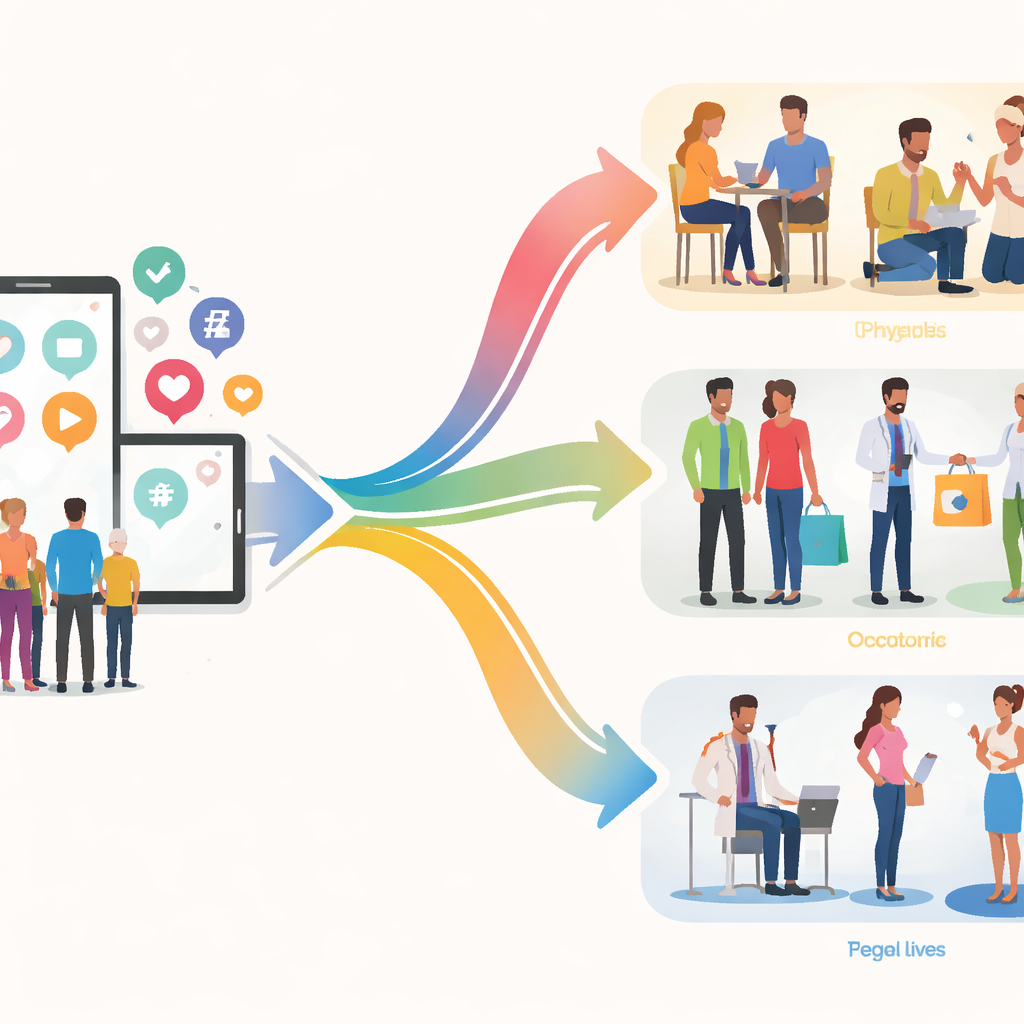
The authors developed a 15-question survey that looks at three everyday areas where social media might shape health behavior. The social side covers things like clicking on a friend’s health post or following a health influencer. The economic side focuses on feeling tempted to buy products promoted online, such as creams or supplements. The physical side examines concrete actions, such as visiting a doctor, following online health advice, or considering cosmetic procedures after seeing related content. Each question can be answered along a simple frequency scale, and the responses are turned into a score showing how often a person is influenced.
How the Study Was Carried Out
The questionnaire was offered to adults waiting for care in a French hospital department, giving access to people from many walks of life who already had some contact with the health system. A total of 110 participants aged 18 to 81 who used at least one social network completed the survey, and 28 of them filled it in twice, two weeks apart. The researchers also gathered basic information such as age, gender, job category, and which platforms people used most. Using these data, they checked whether the questionnaire was reliable and whether people’s answers stayed stable over time.
Who Is Most Swayed by Social Media
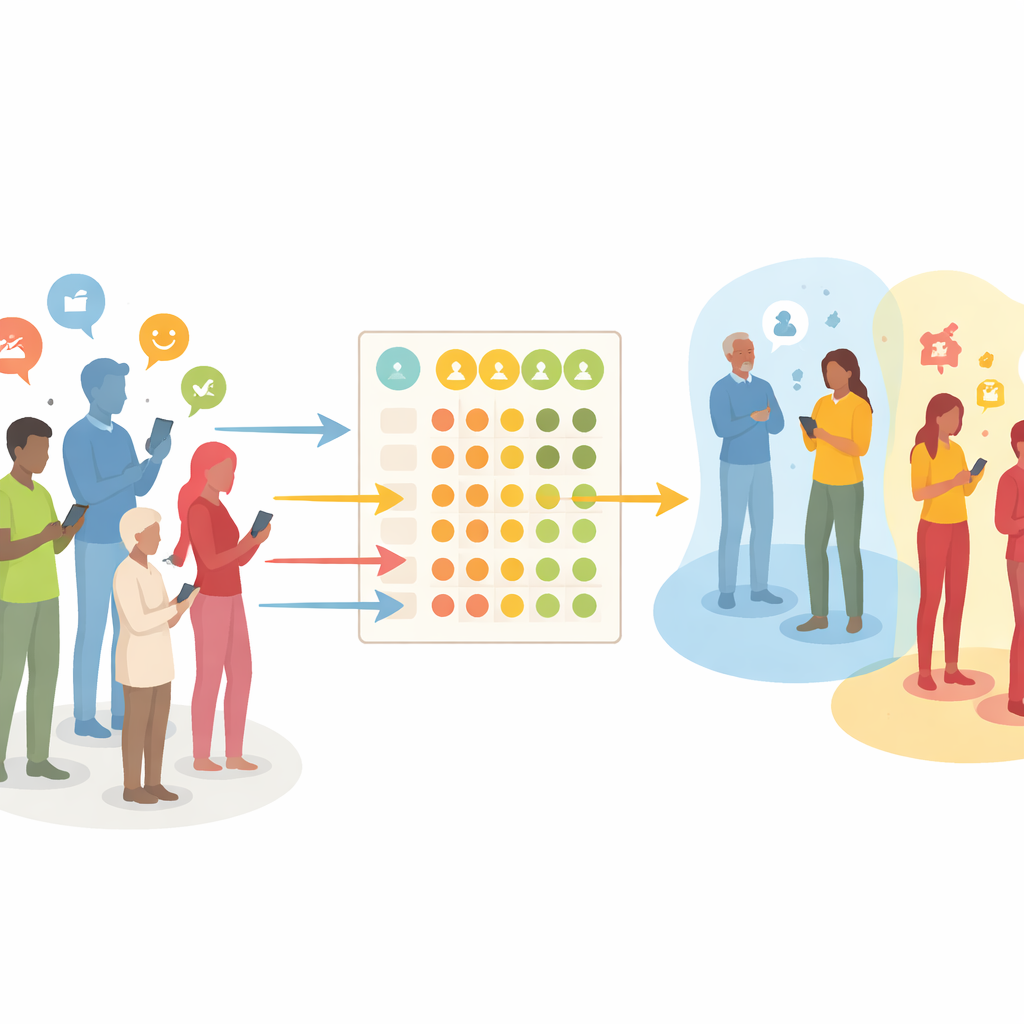
The tool proved statistically solid: people answered consistently, and the questions fit together well, meaning they are likely measuring the same underlying idea of influence. When the team examined the patterns of responses, three broad user groups emerged. One cluster consisted mostly of adults over 35 who mainly used Facebook and reported very little influence from social media on their health choices. A second group, largely under 25 and active on Snapchat, showed moderate influence. The third and smallest but most affected cluster included mainly women under 35 who frequently used Instagram and TikTok. This group was notably more likely to feel urged to buy health products, follow influencer advice, and even think about cosmetic or esthetic procedures after seeing social media posts.
What the Findings Mean for Everyday Life
Although outright purchases or major medical decisions driven by social media were not extremely common in this sample, the study shows clear patterns. Younger users and women are more exposed to economic and physical influence, and even healthcare professionals themselves can be swayed by posts related to their field. Because social media content ranges from high-quality guidance to misleading or risky advice, these vulnerable groups may be particularly at risk when they cannot easily judge what information to trust. At the same time, their responsiveness also means they could strongly benefit from clear, reliable health messages delivered on the platforms they use most.
Turning Risk into Opportunity
For non-specialists, the key takeaway is that social media can act like a double-edged sword in the health arena. The new questionnaire offers a practical way to identify who is most likely to be influenced—by age, gender, and preferred platform—so that health authorities and professionals can focus prevention campaigns where they will have the greatest impact. Used wisely, the same mechanisms that sell beauty products and promote cosmetic trends could be harnessed to encourage checkups, vaccinations, or safer choices, provided that content is ethical, evidence-based, and adapted to the people most likely to listen.
Citation: Rethaber, C., Mathieu, C., Fernandez de Grado, G. et al. A tool to measure the influence of social media on health behaviors: an exploratory study. BDJ Open 12, 26 (2026). https://doi.org/10.1038/s41405-026-00417-0
Keywords: social media, health behavior, influencers, digital health literacy, public health prevention