Clear Sky Science · en
Oxidative balance score and periodontitis: nonlinear dose-response in NHANES 2009–2014
Why Your Gums Reflect Your Whole Lifestyle
Many of us think of bleeding or sore gums as just a problem for the dentist’s chair. But gum disease, known as periodontitis, is tied to the body’s overall chemistry—especially the tug-of-war between harmful “oxidants” and protective “antioxidants.” This study explores how the balance of everyday habits and nutrients, rolled into something called an Oxidative Balance Score (OBS), relates to the risk of gum disease in a large sample of U.S. adults.
A Simple Score for Daily Choices
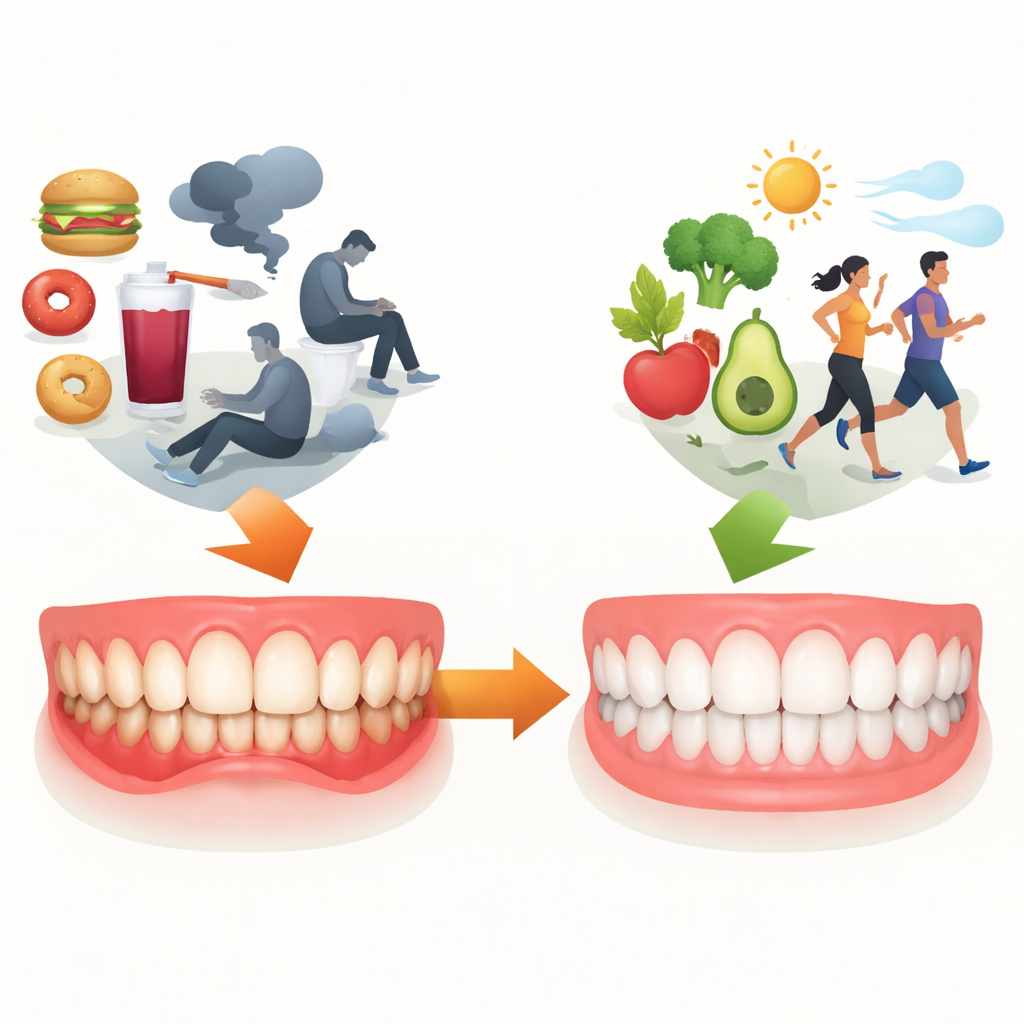
The Oxidative Balance Score is a way to capture how friendly or unfriendly your usual diet and lifestyle are to your body’s tissues. The researchers combined 16 dietary components—such as vitamins C and E, carotenoids, fiber, and minerals—with 4 lifestyle factors: physical activity, alcohol use, body weight, and exposure to tobacco smoke. Foods and habits that help the body neutralize damaging molecules counted as “good,” while those that promote damage counted as “bad.” Each person’s factors were scored and added up, so a higher OBS meant a more protective mix of diet and behavior.
Gum Disease in a National Snapshot
The team used data from the U.S. National Health and Nutrition Examination Survey (NHANES) collected between 2009 and 2014, focusing on 10,714 people who had full gum exams and complete OBS information. Dentists measured how deeply the gums pulled away from the teeth and how much supporting tissue was lost, then classified each participant as either having or not having periodontitis. The researchers also recorded age, sex, education, income, and major health conditions such as diabetes and high blood pressure, so they could separate the effect of lifestyle balance from these other influences.
Not Just More Is Better, but a Turning Point
When the scientists compared OBS with the odds of having gum disease, they found a clear overall pattern: higher scores went with lower risk. People in the highest OBS group were roughly half as likely to have periodontitis as those in the lowest group, even after adjusting for age and other factors. But the relationship wasn’t a straight line. Using flexible statistical models, the researchers discovered a “bend” in the curve at an OBS of about 16. Below this point, increasing the score showed only a weak and uncertain link to better gum health. Once people’s scores rose beyond 16, the chance of gum disease dropped steeply.
How Balance May Calm Inflammation
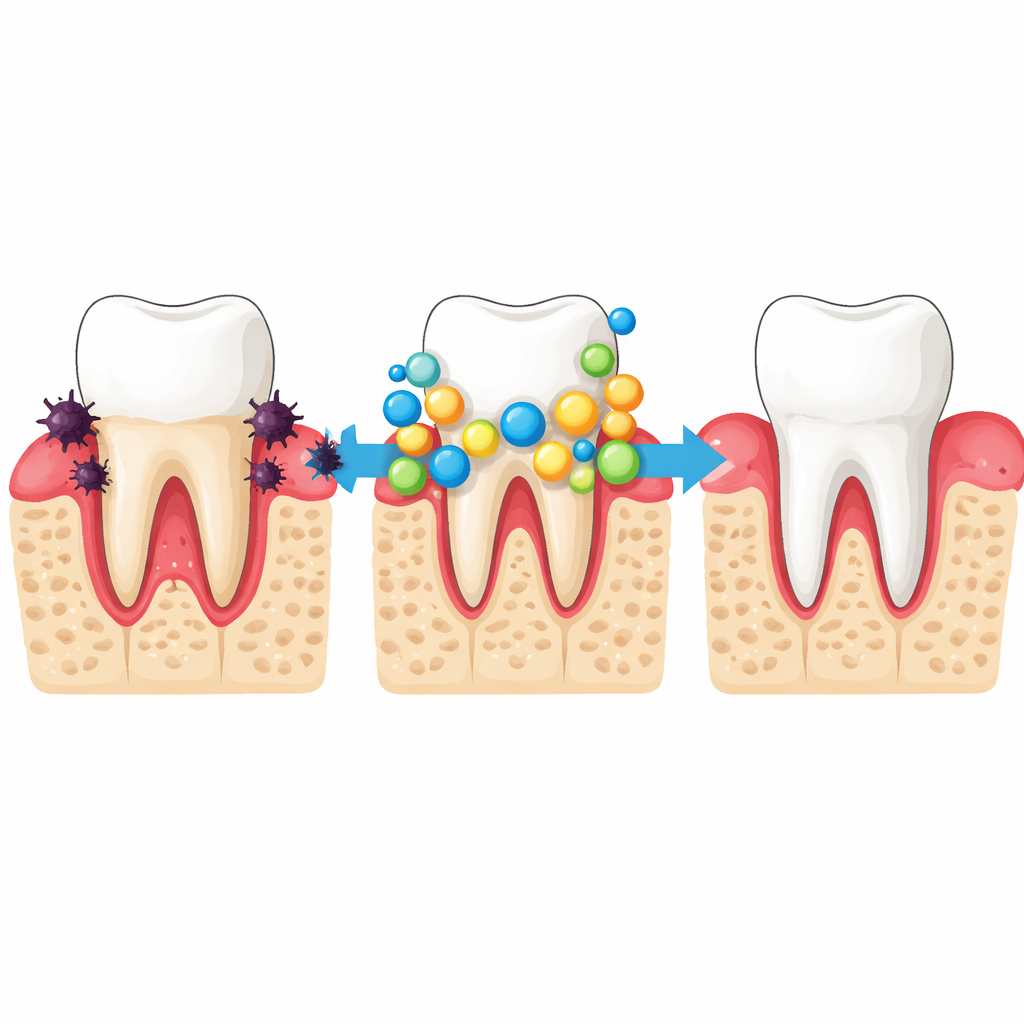
This threshold suggests that a certain minimum level of antioxidant support and healthy habits may be needed before the gums truly benefit. Periodontitis is driven in part by an excess of reactive molecules that damage tissue and fuel inflammation. A higher OBS—built from nutrient-rich foods, regular physical activity, not smoking, moderate alcohol intake, and a healthy body weight—likely helps neutralize these molecules and steady the immune response. The study’s findings fit with earlier work in American and Korean populations showing that oxidative balance and gum health are closely linked, but they add the new insight that the benefit seems to accelerate past a particular score.
What This Means for Everyday Life
For lay readers, the main takeaway is that gum health is not just about brushing and flossing; it also reflects the broader pattern of how you eat, move, and live. In this national sample, people whose overall diet and lifestyle pushed their Oxidative Balance Score above a certain level had a much lower risk of periodontitis. While the study cannot prove cause and effect, it strongly supports the idea that building more antioxidant-rich foods and healthier habits into daily life may help keep gums—and the rest of the body—healthier over time.
Citation: Gao, C., Wang, M., He, H. et al. Oxidative balance score and periodontitis: nonlinear dose-response in NHANES 2009–2014. BDJ Open 12, 21 (2026). https://doi.org/10.1038/s41405-026-00410-7
Keywords: gum disease, oxidative stress, antioxidants, oral health, lifestyle factors